Mothers and Education

“If you educate a woman, you educate a family; if you educate a girl, you educate the future.”
Queen Rania Al Abdullah of Jordan
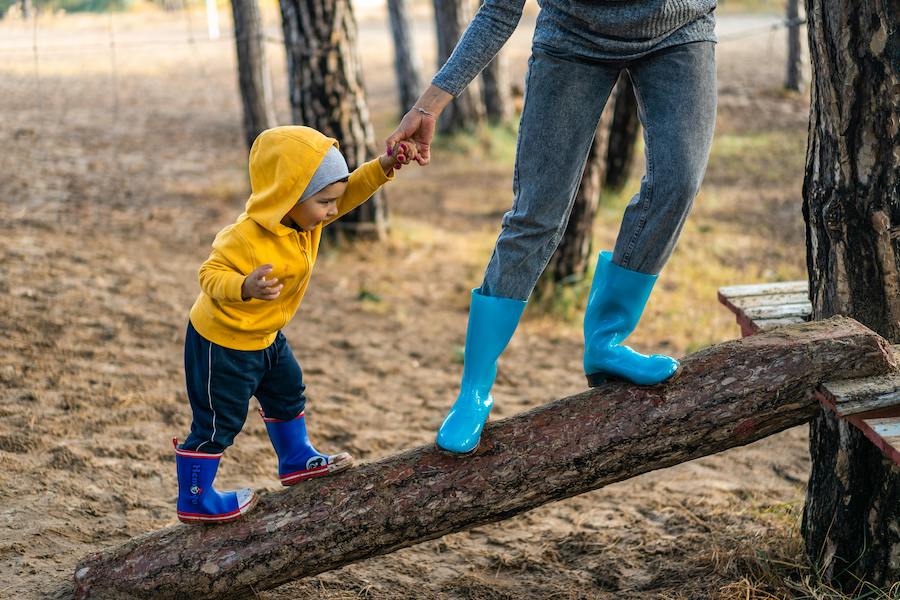
Mothers, the first educators of their children
Parents, mothers in particular, play a pivotal role as children’s primary caregivers and educators, shaping their educational journey – a journey which starts as early as during pregnancy.
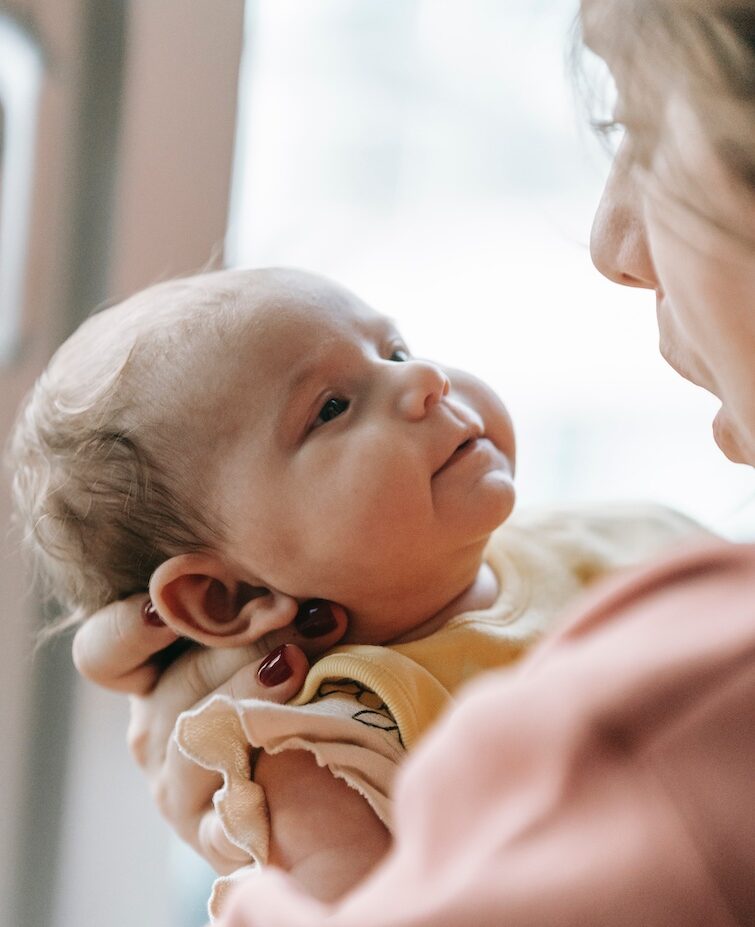 In particular parents are:
- Key players in Early Childhood Development, and mothers are de facto on the frontline during pregnancy and the early years
- A vital source for informal education through daily experience, imparting values, life skills, and supporting socio-emotional development
- An important support mechanism for their child’s formal education, notably through encouragement, coaching and homework assistance
The varying degrees of parental involvement create inequalities in education. Not all parents can engage in the same way due to lack of time and other reasons. Ignoring these disparities perpetuates educational inequality among children.
The central role of parents, in particular mothers, in ensuring an inclusive and quality education for their children must therefore be recognised and supported.
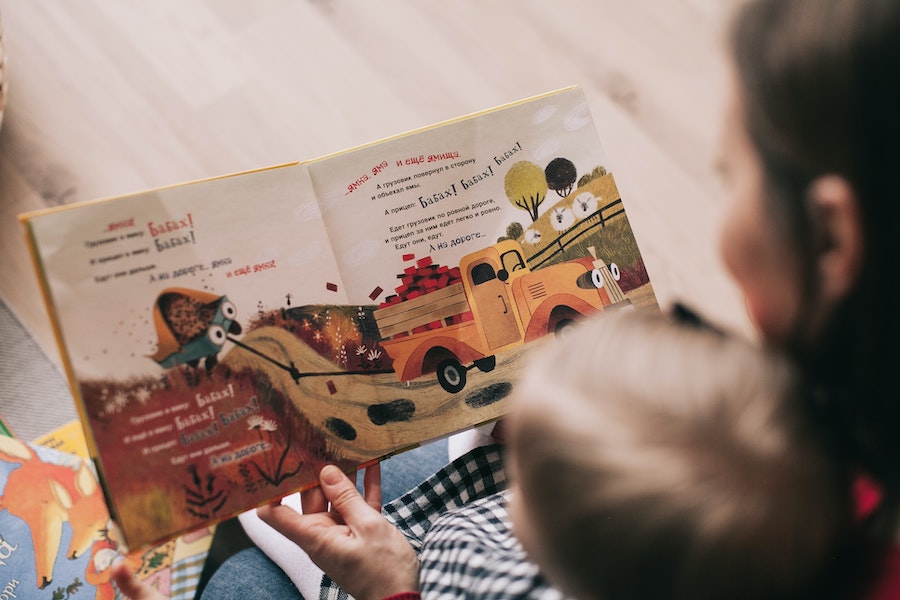 Empowering parents/mothers as essential allies in achieving children’s right to education means:
- Providing comprehensive programs to enhance parents’ understanding of their crucial role in their children’s education, in particular during the early years
- Identifying and addressing barriers preventing parents’ involvement in formal education
- Building strong partnerships between educational institutions, governments and parents, fostering open communication and involving parents in decision-making processes
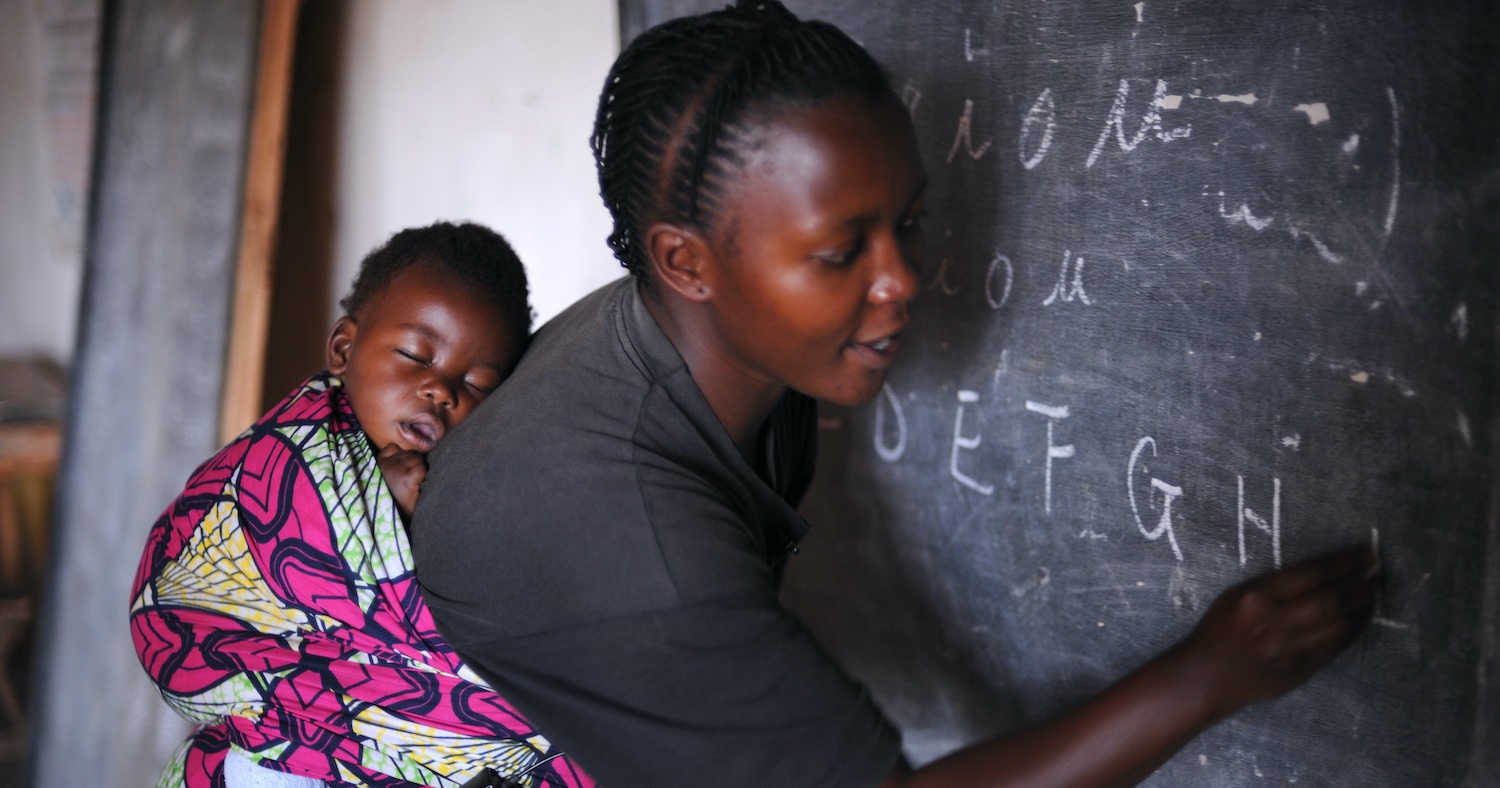
Parenting education
Being effective parents requires skills and knowledge that are generally not taught at school.
Parenting education programs can offer support and education that can address social and behavioural issues and make parenting easier, more effective and more enjoyable, thereby strengthening a child’s ability to feel safe and thrive.
In particular, educating parents on Early Child Development and nurturing Care is key for a child’s physical, cognitive and emotional development to their full potential.
Positive parenting and building early emotional skills in young children is also one of many parenting programs that have been known to benefit both the child and parent.
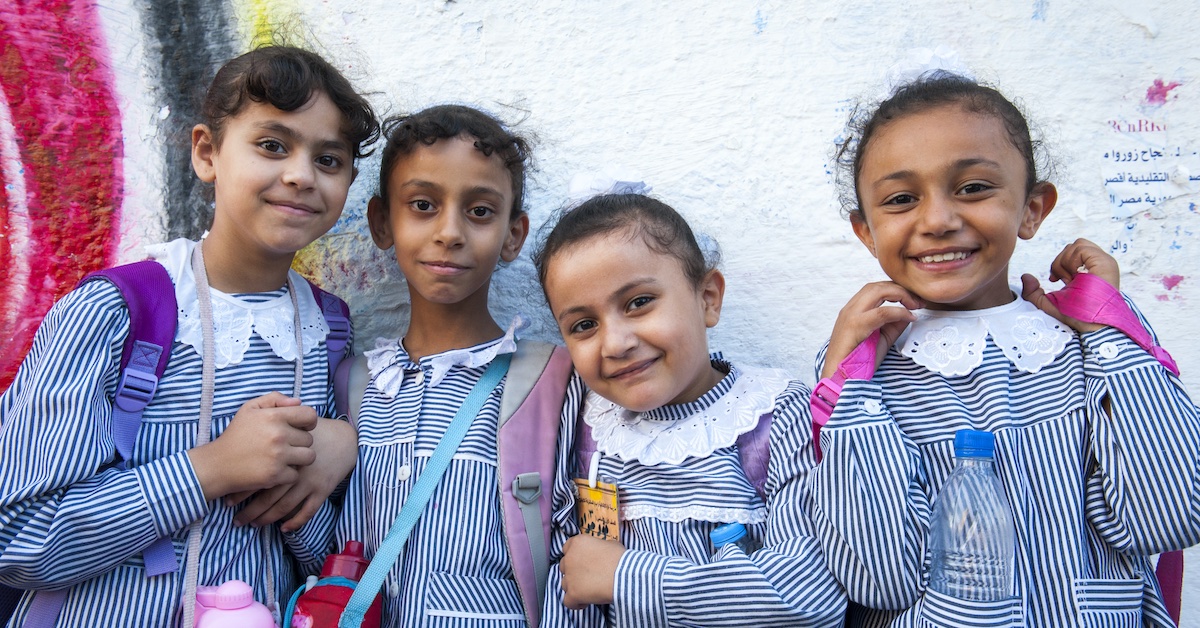
The importance of educating girls, the future mothers
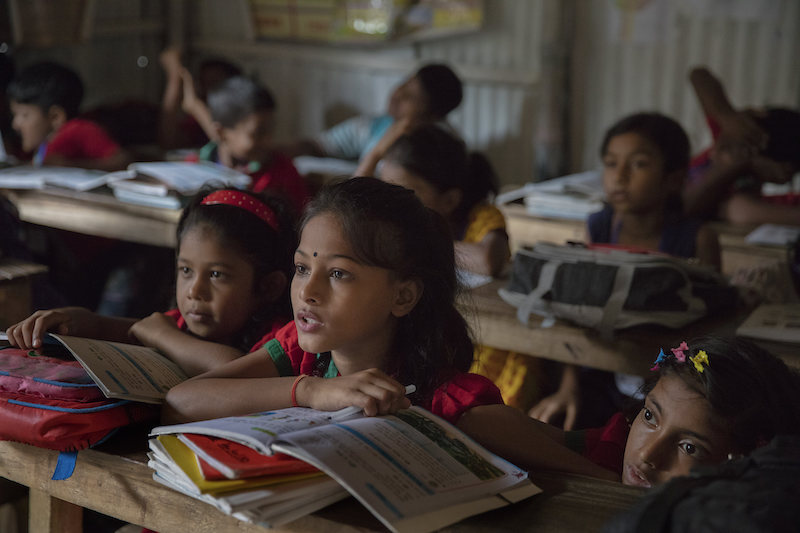
Global statistics for women and girls’ education are concerning:
- Global literacy rates for women and girls over 15 is is 84% – compared to 90% for men
- 129 million girls worldwide are still denied an education
- And in low-income countries, fewer than two in three girls finish primary school and only one in three finishes lower secondary school
In addition to being a basic human right, the education of girls is also a smart investment.
Research shows that an educated mother is healthier and has healthier and better educated children. According to the Global partnership for Education, if every girl completed primary school, maternal deaths would decline by two-thirds. A child whose mother can read is 50% more likely to live past the age of 5, 50% more likely to be immunized, and twice as likely to go to school.
Educating girls triggers a virtuous circle:
- An educated mother will know about nutrition and the importance of medical follow-up during pregnancy
- She will also be aware of how to take proper care of her newborn, from feeding methods and hygiene to interaction and vaccinations
- An educated mother will know the importance of balanced nutrition and other healthy routines so that children thrive
- As an educated person, a mother will know the importance of learning and going to school – not only will she be able to assist her children efficiently during school years, but also to guide them during their academic journey
- She will also know about the importance of equipping her children with values and soft-skills, and will be able to build their children’s self-esteem and confidence
The reality though of girls’ education is that many around the world, are hampered in their educational pursuits for a myriad of possible reasons, including child or early marriage, teenage pregnancy, concerns about safety on the way to school, or the absence of adequate toilet facilities.
Too many girls are also bound by unpaid domestic and care work at home because they are girls. Research shows that girls aged 5-9 spend 30% more time on work around the home than boys of the same age. These mechanisms, put in place from an early age determine the lives of these young girls, jeopardizing their ability to access an education that would otherwise make them autonomous
At MMM, we believe that you cannot talk about educating and empowering young girls without taking into account the considerable weight they carry in domestic work.
It is therefore imperative that we – States, civil society, NGOs – take more direct action and intervene much earlier to prevent young girls’ futures from being decided as early as age 5.
Lifelong learning for mothers
Education does not stop at school and university; it should continue throughout life, also for mothers.
Promoting lifelong learning and the continued education and skills development of mothers is vital not only for their personal growth and emancipation, but also for the wellbeing of their family.
In particular:
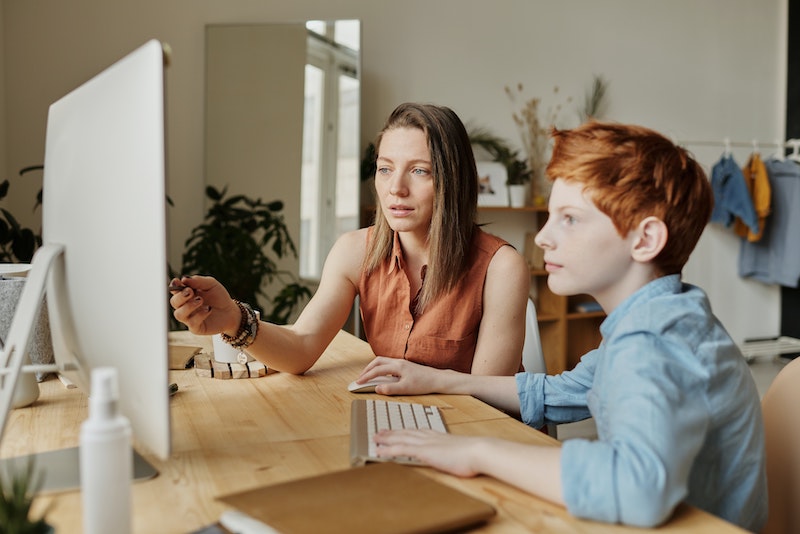 Digital literacy is key to communicate, change lifestyles and access new types of employment; it can greatly benefit mothers and improve the quality of life of families particularly in remote areas, through remote access to health, education and financial services, fostering more inclusiveness
- Financial literacy is crucial for women to become truly economically independent and have a status in their family and community – and research shows that women tend to invest their money in their children’s health and education
The importance of intergenerational education of mothers and young girls – tomorrow’s mothers – cannot be stressed enough. This virtuous circle can bring about opportunities to effectively tackle negative gender norms and unlock potential to enable them to have more fulfilling lives, to be able to exercise their fundamental human rights and to fully contribute to the economies and societies in which they live.