A global solidarity network to fight against Covid-19
02.12.20
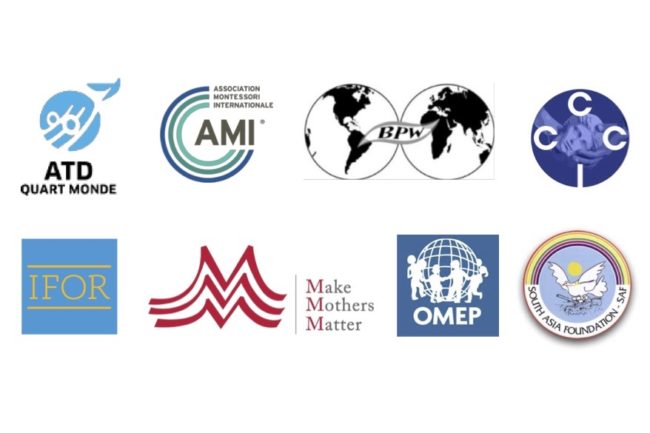
Together with a group of NGOs in official relationship with UNESCO, Make Mothers Matter has initiated a global solidarity network in order to create synergies between their grassroots associations around the world.
The idea is to have these grassroots organisations collaborating and sharing initiatives, including the ones from UNESCO, to implement appropriate and effective actions in response to the COVID-19 pandemic.
Several Facebook groups have thus been created in Africa (Ivory Coast, Central Africa, English-speaking Africa, Madagascar), South Asia, Asia Pacific, North America, Latin America, Europe and Lebanon.
Feedback from the field provides a global chronological and thematic view of the evolution of the crisis as close as possible to the populations. The objective is threefold:
- To make known the realities of situations on the ground and their evolution
- To put the spotlight on the exceptional solidarity of civil society that has developed on all continents
- To propose a new vision for the post-COVID19 period, taking into account past experiences.
Friendship, an MMM associate member in Bangladesh, participates in this solidarity network.
Their actions in a wide variety of fields and their different sensitivities have enabled NGOs to create a constructive global solidarity with the support of UNESCO, in respect of their common values. A report will be submitted to UNESCO in order to contribute to the reflections carried out with a view to finding new and innovative responses to the global crisis and to strengthen the NGO-UNESCO partnership.
→ See also this article on the UNESCO News
In addition to MMM, the NGOs which have participated in the implementation of this solidarity network are:
- Association Montessori Internationale (AMI)
- ATD Quart Monde
- Business and Professional Women International
- Organisation Mondiale pour l’Education Préscolaire (OMEP)
- International Catholic Cooperation Center for UNESCO
- International Fellowship of Reconciliation
- South Asia Foundation
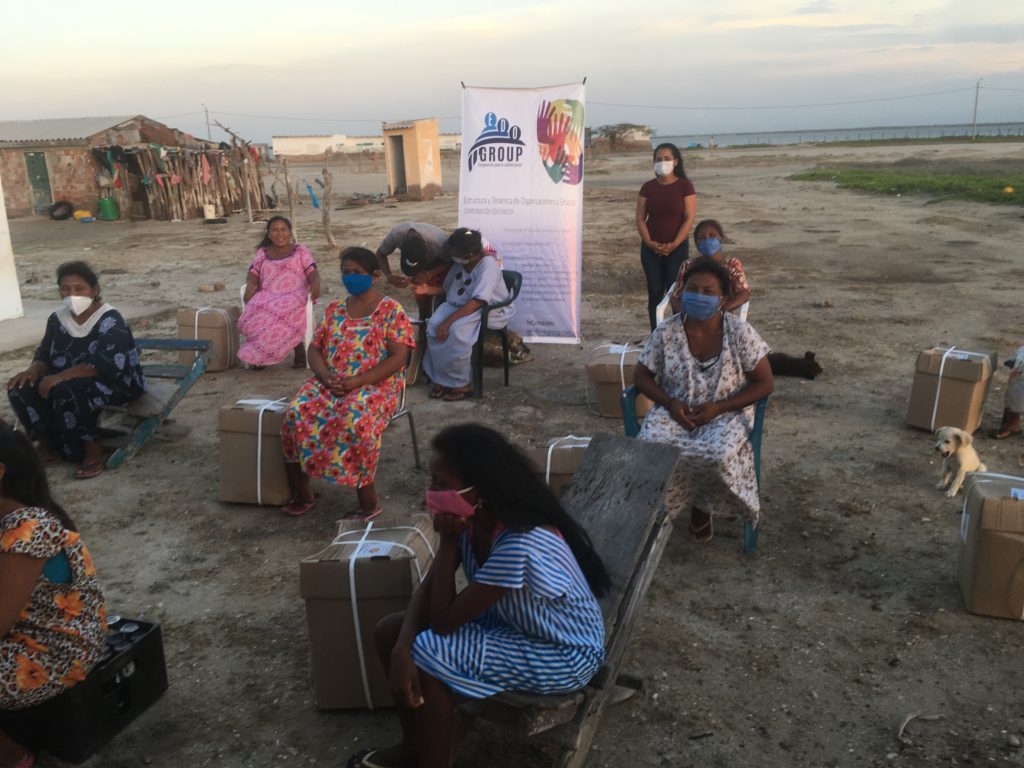
Edo Group’s action with the Wayuu community in Colombia
 Share
Share Share
Share Print
Print Email
Email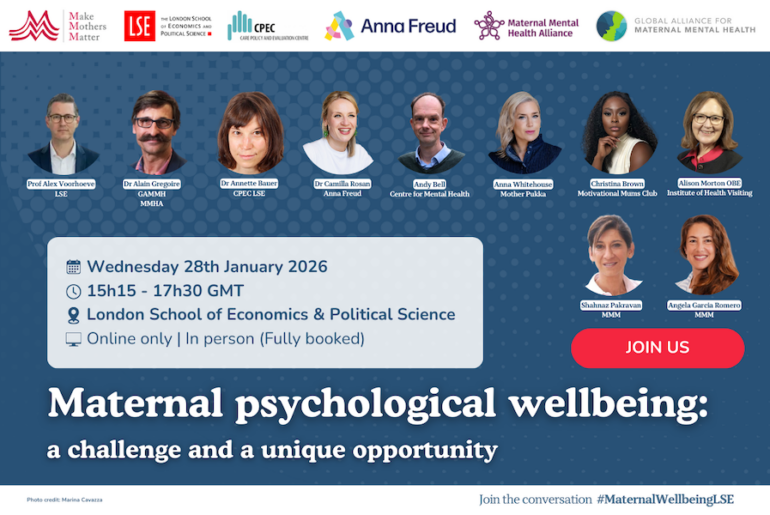
Maternal Psychological Wellbeing: A Challenge and a Unique Opportunity
13.01.26
Wednesday 28 January 2026 | 15:15 – 17:30 GMT London School of Economics & Political Science (LSE) – Live broadcast #MaternalWellbeingLSE Maternal mental health is one of the most pressing

Climate Change: A Maternal Physical and Mental Health Emergency
13.11.25
In the lead-up to the UN climate change conference in Belem, Brazil (COP30), MMM was delighted to collaborate with Dr. Saravanan Thangarajan, a Visiting Scientist & Faculty member at Harvard
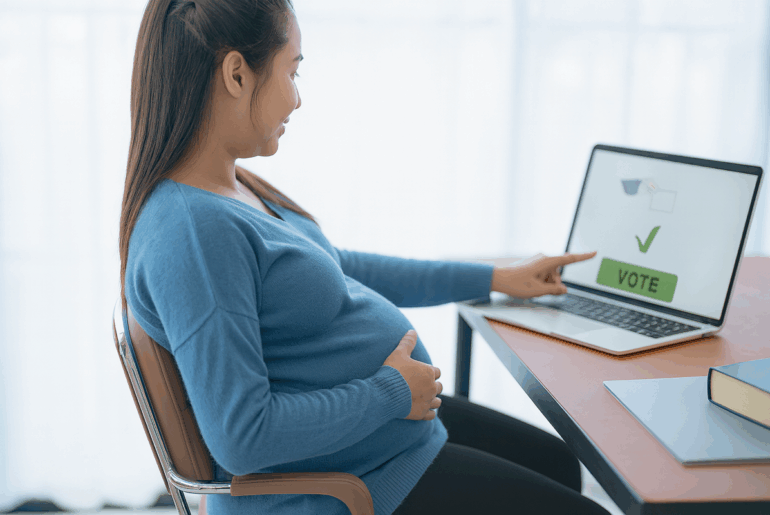
Democracy on Hold: The Hidden Penalty for Parliamentarians Who Become Mothers
27.11.25
The European Parliament adopted a legislative resolution on the amendment of the European Electoral act, allowing Members to vote in plenary by proxy voting during pregnancy and after giving birth.