Intergenerational Solidarity in work-life balance and childcare
13.07.25
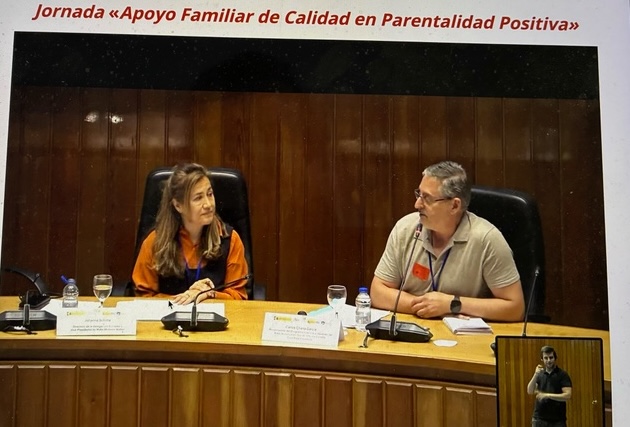
MMM was invited to speak at AGE’s annual conference, which focused on contributing to the EU Strategy on Intergenerational Fairness. The event explored a range of key areas, including the labour market, health and care services, housing, mobility, digitalisation and climate change.
As the European Union faces a rapidly ageing population, the proportion of people aged 65 and over has risen significantly – from 16% to 25% in just two decades.
This demographic shift presents a range of challenges, including changes in work-life balance, increased demand for care services, and strains on social cohesion.
To address these issues, it is essential to implement a framework rooted in intergenerational solidarity, supporting a vision of equality across age groups. For the first time, the EU has appointed a Commissioner specifically dedicated to Intergenerational Fairness, Youth, Culture, and Sport, with a key priority of developing a Strategy on Intergenerational Fairness.
At MMM we were grateful to contribute to these discussions as we believe the EU must embrace an intergenerational approach to work-life balance and childcare.
Intergenerational solidarity is a foundational value of the European Union. Article 3 of the Treaty on European Union clearly states that solidarity between generations is a cornerstone of our shared futures. While important steps have been taken – such as the 2019 Work Life Balance Directive and the 2022 European Care Strategy – further action is needed to turn this principle into lasting practical change.
Why?
Unequal distribution of care responsibilities
Because parents, especially mothers, struggle to combine work with caregiving duties. Over one-third of parents report difficulty balancing the two, with many mothers going part-time or leaving their jobs entirely. This results in mothers carrying out a disproportionate amount of unpaid care work, resulting in long-term economic disadvantages as well as pay and pension gaps.
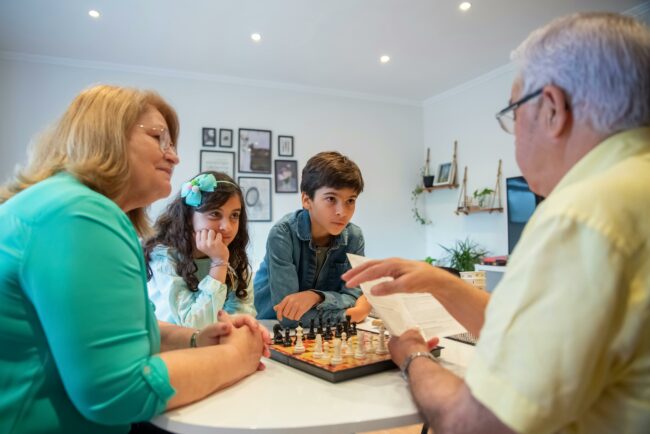
Many families turn to grandparents for support, often due to lack of other options, financial constraints and trustworthy caregivers. In the UK, 40% of grandparents over 50 regularly provide care, and 71% of those ages 50-64 are still working. Again, this support goes largely unrecognised and unsupported.
The hidden cost of motherhood
The motherhood penalty leads to career interruptions and part-time or poorly paid jobs and often results in women giving up careers. In an MMM European survey of more than 10,000 mothers across Europe, we found that 55% of mothers change their working status after having a child with 27% reporting that motherhood negatively impacted their careers.
Social disconnection across generations
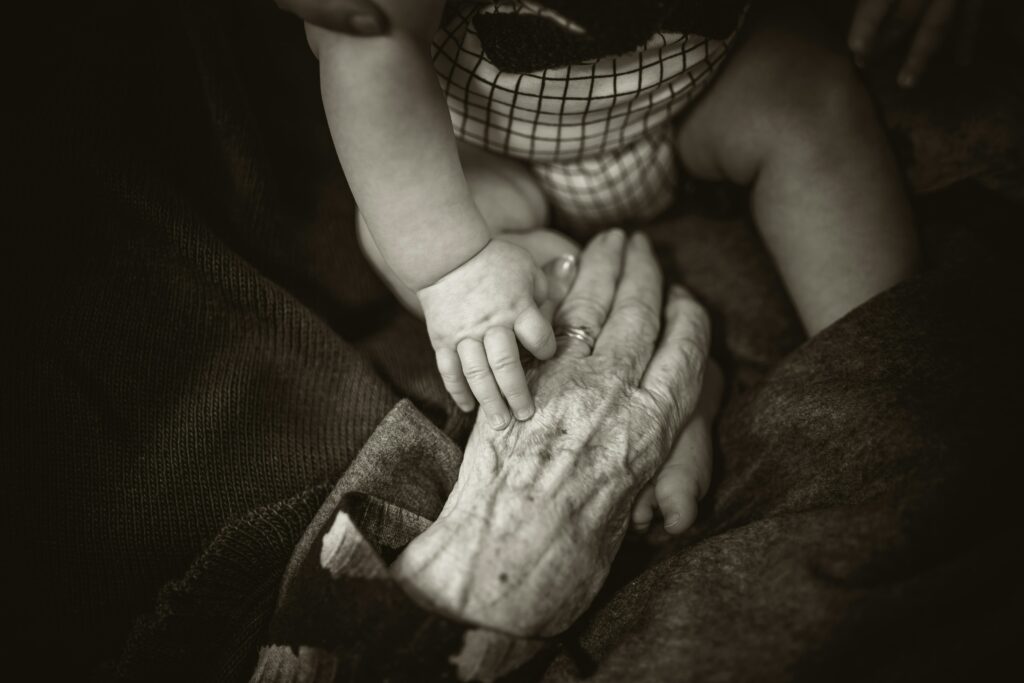 An ageing population increases the risk of loneliness and isolation, which can significantly impact the physical and mental health of older adults. Research shows that older adults who stay active and engaged – whether through caregiving, volunteering or mentorship – tend to enjoy better overall well-being. However, a lack of support and the structural separation between generations often limit these valuable interactions.
Gaps in policy and support structures
While recent EU initiatives are a promising start, their implementation remains uneven across Member States. In many countries, there is limited provision for transferring parental leave to grandparents, and unpaid care work often goes unrecognised. In the absence of clear intergenerational policy frameworks, families are left to shoulder care responsibilities on their own, frequently facing significant financial and emotional strain.
Some good examples
Several European countries have already implemented measures to value unpaid care work and support caregivers:
- In Sweden (since July 1, 2024), parents can transfer parental leave days to someone else, such as grandparents. Up to 45 days (or 90 for single parents) can be transferred, with the allowance based on the recipient’s income or a capped base if retired.
- In Germany and Austria, older people volunteer to care for children, especially when grandparents live far away or are absent. These “Leihomas und Leihopas” (borrowed grandparents) support families and help parents achieve a healthy work-life balance. And creates life long lasting bonds. For example, in Bochum, the Child Protection League coordinates such initiatives.
- In the UK, parents can donate Child Benefit credits to grandparents or relatives caring for children under 12. 1 in 5 grandmothers reportedly provide at least 10 hours of childcare weekly.
- In Portugal, working grandparents can receive 30 days of allowance to care for a sick child if parents don’t use that time.
- Companies are also exploring intergenerational work-life balance. For instance, UK-based Saga offers paid leave to working grandparents—one week off for the birth of a grandchild.
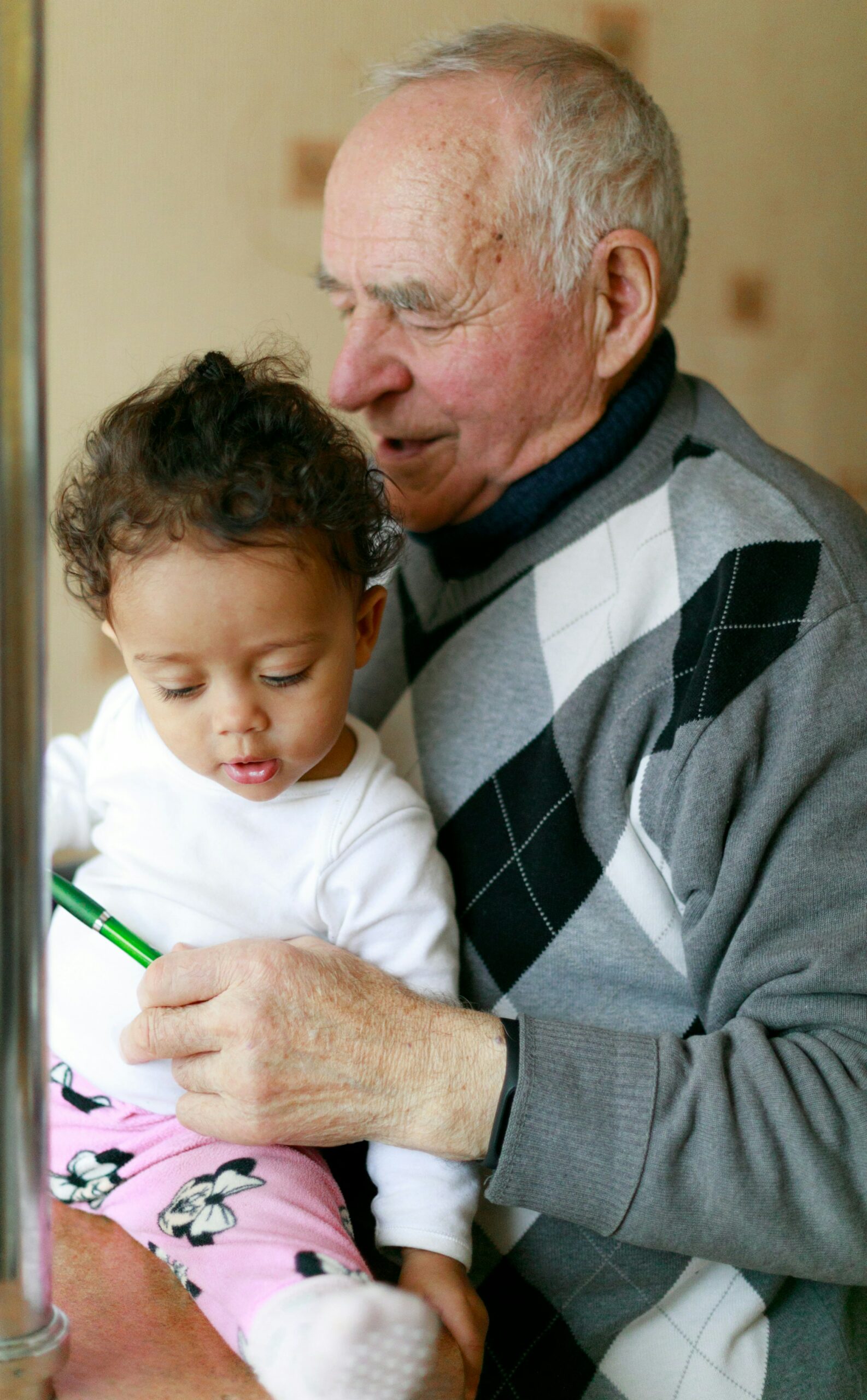 An international example comes from Japan, where the town of Nagi has become a model for integrating older people into childcare. Older people serve as honorary grandparents, mentoring and supporting parents. They built Multigenerational Community Spaces that promote interaction between older people and children, enhancing community and continuity. Nagi’s model has led to a stable birth rate, stronger social ties, and better well-being for parents, children and older people.
However, caution is needed in how these models are implemented, to ensure they do not discourage fathers from taking their paternity leave.
What needs to be done?
- Redefine “work” as a holistic concept that includes both paid and unpaid contributions.
- Consider unpaid care work as essential service, deserving access to social rights.
- Establish “care credits” within pension systems to avoid penalising those who care for others.
- Adopt an intergenerational care policy framework that reflects the EU’s commitment to equity and solidarity between generations.
- Encourage rules allowing the transfer of parental leave days to grandparents, based on a voluntary basis, so parents can return to work while grandparents’ care work is recognised.
- Promote intergenerational housing systems to structurally support the close connections between generations.
- Promote family-supportive company policies, including paid leave for grandparents, so they can care for grandchildren without compromising their careers.
We need to move beyond living in silos—seperated by age, roles, institutions, and even the spaces we inhabit. To effectively address the societal and personal challenges we face, including the growing mental health crisis, we must rekindle a shared sense of belonging, one that connects generations and values every stage of life. Care work is a collective responsibility, and it deserves fair recognition and support.
Guide to avoid stereotypical communication when talking about ageing and older people
 Share
Share Share
Share Print
Print Email
Email
Maternal Psychological Wellbeing: A Challenge and a Unique Opportunity
13.01.26
Wednesday 28 January 2026 | 15:15 – 17:30 GMT London School of Economics & Political Science (LSE) – Live broadcast #MaternalWellbeingLSE Maternal mental health is one of the most pressing

Climate Change: A Maternal Physical and Mental Health Emergency
13.11.25
In the lead-up to the UN climate change conference in Belem, Brazil (COP30), MMM was delighted to collaborate with Dr. Saravanan Thangarajan, a Visiting Scientist & Faculty member at Harvard
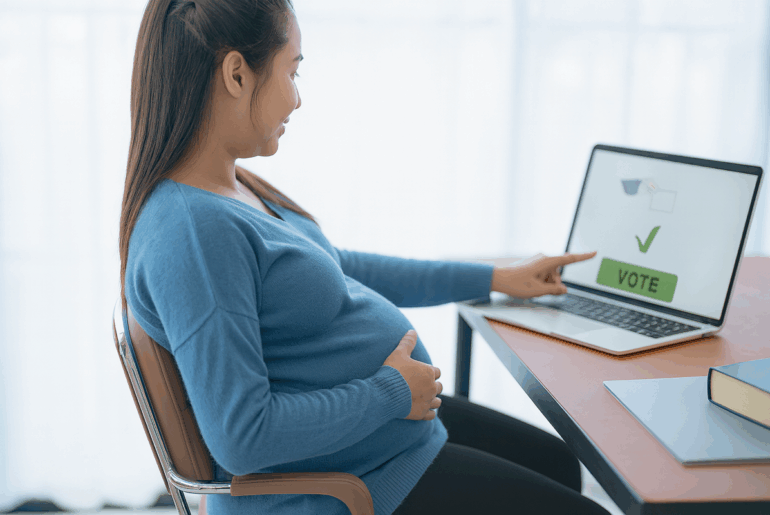
Democracy on Hold: The Hidden Penalty for Parliamentarians Who Become Mothers
27.11.25
The European Parliament adopted a legislative resolution on the amendment of the European Electoral act, allowing Members to vote in plenary by proxy voting during pregnancy and after giving birth.