Our member Irish Maternity Support Network contributes to the first national maternity experience survey
25.01.21
October 2020 saw the results of the first Irish Maternity Experience Survey, providing an important insight into women’s experiences at all stages of maternity care in Ireland - antenatal, care during labour and birth and postnatal care. This major national survey was carried out by HIQA (Health Information and Quality Authority) in conjunction with the HSE (Irish Health Service Executive) in October and November 2019, as part of the Irish Maternity Strategy 2016 - 2026.
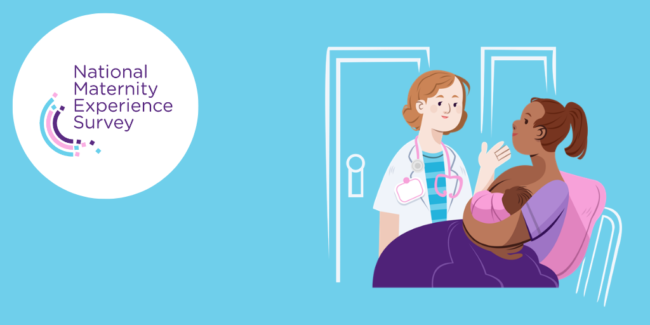
MMM associate member Irish Maternity Support Network (IMSN), was involved in the development of this survey right from the start. IMSN co-founder Edel Quirke sat on the committee and made extensive contributions as the service user representative.
The Main Findings
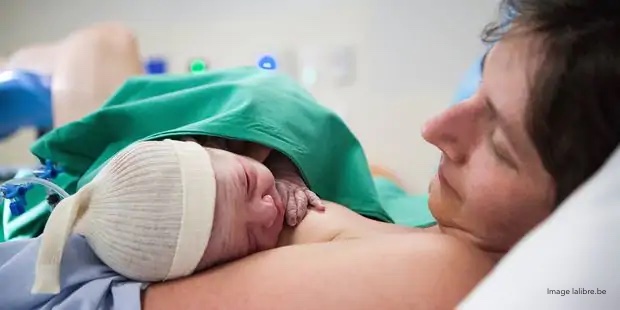 Overall, 85% of women reported having had a good or very good experience with 15% describing it as fair or poor. The lower scoring more negative findings were consistent across all units with regard to the lack of information in the antenatal period and poor mental health support throughout, particularly in the postnatal period.
One of the most concerning findings was in the area of respect and dignity – between 19 and 26% of women reported that they were not always treated with dignity and respect throughout their antenatal and postnatal care. In a survey of 3,204 women, this represents over 830 women exiting the maternity service experiencing the impact and subsequent effects of this negative treatment.
Loss during Pregnancy and Childbirth
One of the aspects of maternity care that wasn’t addressed in this survey was the experience of loss in pregnancy and how women experience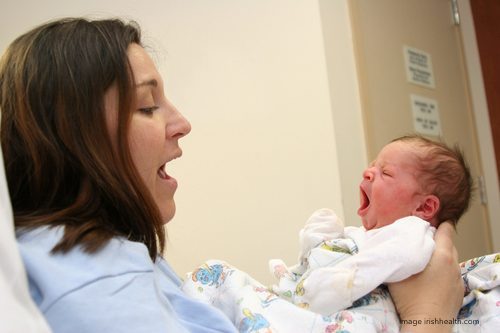 their care in Ireland’s maternity services during such a painful and traumatic time. Following considerable representation by Edel Quirke and support from other members, the survey committee has given an undertaking that the next maternity experience survey, due to be carried out within the next two years, will focus exclusively on the experiences women have in maternity services following loss. IMSN recommended that other organisations that support people experiencing bereavement and loss during pregnancy and childbirth be consulted and represented on the committee when preparing this next survey.
VIDEO
Edel Quirke, representative of women using maternity services to the National Maternity Experience Survey Programme Board talks to Rachel Flynn (Chair) and the Programme Board about the results of the first ever National Maternity Experience Survey, published on 1 October 2020.
 Share
Share Share
Share Print
Print Email
Email
Maternal Psychological Wellbeing: A Challenge and a Unique Opportunity
13.01.26
Wednesday 28 January 2026 | 15:15 – 17:30 GMT London School of Economics & Political Science (LSE) – Live broadcast #MaternalWellbeingLSE Maternal mental health is one of the most pressing

Climate Change: A Maternal Physical and Mental Health Emergency
13.11.25
In the lead-up to the UN climate change conference in Belem, Brazil (COP30), MMM was delighted to collaborate with Dr. Saravanan Thangarajan, a Visiting Scientist & Faculty member at Harvard
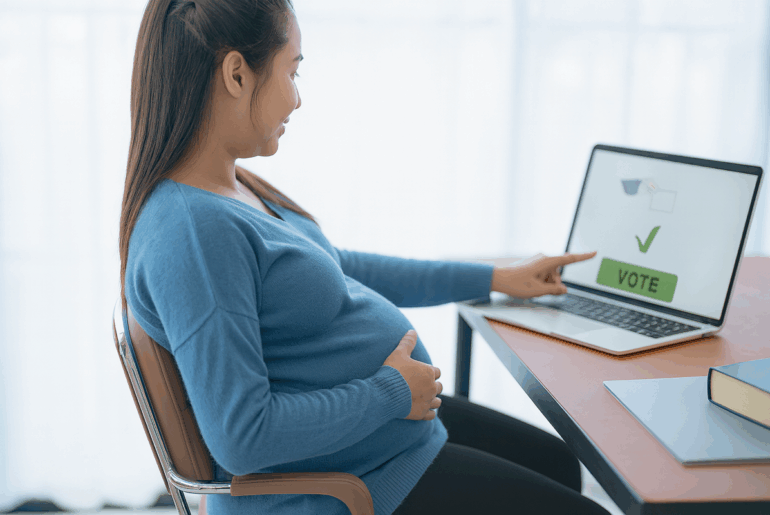
Democracy on Hold: The Hidden Penalty for Parliamentarians Who Become Mothers
27.11.25
The European Parliament adopted a legislative resolution on the amendment of the European Electoral act, allowing Members to vote in plenary by proxy voting during pregnancy and after giving birth.