Ensuring Work-Life Balance: The EU’s Commitment to Supporting Parents, notably mothers, and Gender Equality
19.03.25
At the latest EPSCO Council (Employment, Social Policy, Health, and Consumer Affairs), the Council of the European Union adopted groundbreaking Conclusions aimed at addressing work-life balance and promoting gender equality across generations in response to demographic challenges.

At Make Mothers Matter (MMM), we warmly welcome the commitments made by Member States in approving these Conclusions. For years, we have tirelessly worked to highlight the unique challenges faced by mothers, ensuring that their voices are heard at the EU level. This milestone marks a significant step forward in recognising and addressing these challenges.
A Major Win for Parents, Especially Mothers
We are particularly encouraged by the Council’s recognition of the specific difficulties mothers face when juggling work and family life. These new recommendations have the potential to drive meaningful change for families across the EU, ensuring greater support, fairness, and flexibility in the workplace and beyond.
Key Recommendations for a Better Work-Life Balance
The adopted Conclusions call on the EU Commission and Member States to take decisive action, including:
- Encouraging family-friendly workplaces: Employers and social partners should implement policies that promote work-life balance, mental health support, and gender-focused initiatives.
- Expanding early childhood education and care (ECEC): Aligning policies with the Barcelona Targets for 2030, improving parental leave, and providing financial aid for single-parent families.
- Strengthening the European Child Guarantee: Ensuring access to ECEC for children at
 risk of poverty or social exclusion.
 - Fostering flexible working arrangements: Raising awareness among employers and supporting them in implementing flexible work practices to benefit parents, particularly those with caregiving responsibilities.
- Raising awareness that all parents, especially mothers, may need support in balancing work and family life. Employers have a crucial role to play by proactively addressing these needs and fostering a supportive work environment.
- Ensuring gender equality in the workplace: Enforcing EU legislation on equal opportunities and fair treatment for women and men in employment and occupation.
- Recognizing the value of care work: Highlighting its social and economic importance for collective well-being.
- Preventing discrimination and retaliation: Safeguarding employees who request care-related leave or flexible work arrangements.
- Promoting collective bargaining and social dialogue: Encouraging the development of work-life balance policies in collaboration with workers and employers.
- Involving men as agents of change: Encouraging greater participation of fathers, partners, and male informal carers in caregiving responsibilities, such as childcare and long-term care.
- Supporting families with additional needs: Providing targeted assistance for families with members who have disabilities or illnesses and considering the specific needs of single-parent households.
- Advancing intergenerational solidarity: Developing policies that foster cooperation and mutual support between generations.
 Enhancing data collection: Improving statistics on maternity, paternity, parental leave, and flexible working arrangements to better inform policy decisions.
- Promoting the equal sharing of unpaid care work: Strengthening female economic self-sufficiency by ensuring both women and men share caregiving responsibilities equitably.
Moving Forward
This landmark agreement is a vital step in building a more inclusive and supportive Europe where all parents, especially mothers, can achieve a sustainable work-life balance without compromising their careers or well-being. By implementing these recommendations, the EU moves closer to creating an equitable society that values both professional contributions and caregiving responsibilities.
Access the Council Conclusions here
 Share
Share Share
Share Print
Print Email
Email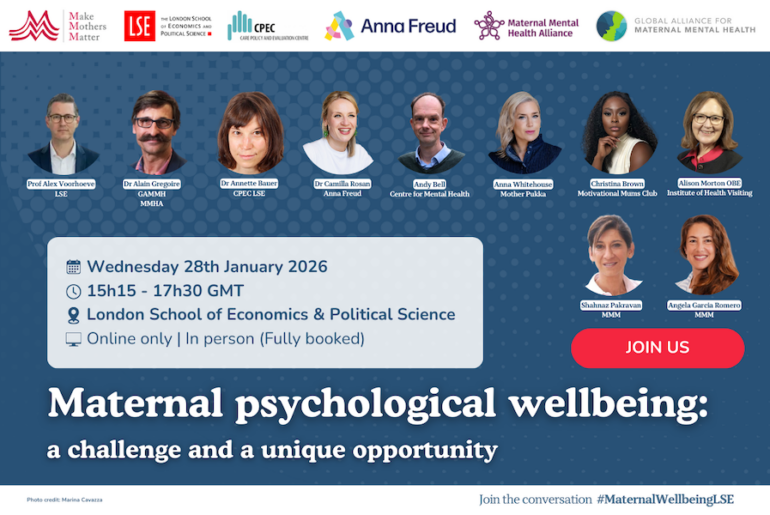
Maternal Psychological Wellbeing: A Challenge and a Unique Opportunity
13.01.26
Wednesday 28 January 2026 | 15:15 – 17:30 GMT London School of Economics & Political Science (LSE) – Live broadcast #MaternalWellbeingLSE Maternal mental health is one of the most pressing

Climate Change: A Maternal Physical and Mental Health Emergency
13.11.25
In the lead-up to the UN climate change conference in Belem, Brazil (COP30), MMM was delighted to collaborate with Dr. Saravanan Thangarajan, a Visiting Scientist & Faculty member at Harvard
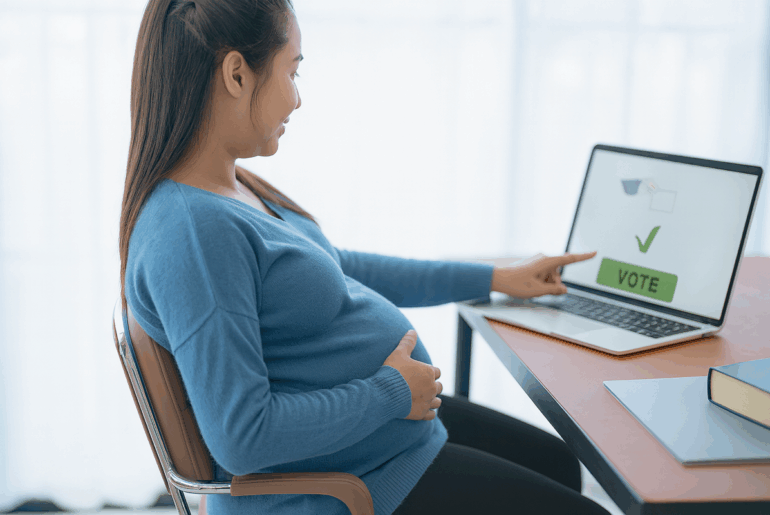
Democracy on Hold: The Hidden Penalty for Parliamentarians Who Become Mothers
27.11.25
The European Parliament adopted a legislative resolution on the amendment of the European Electoral act, allowing Members to vote in plenary by proxy voting during pregnancy and after giving birth.