“Equality in name means nothing without equality in reality”
MEPS Maria Walsh and Eleonora Meleti
07.04.25
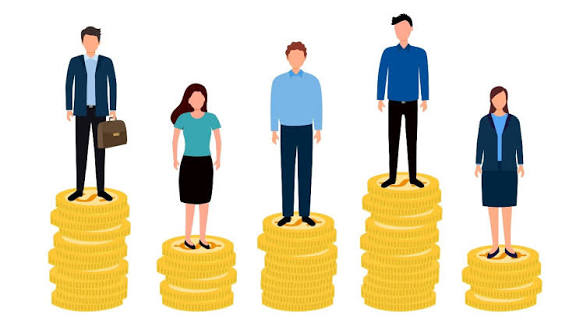
With the new Road Map for Gender Equality, the EU acknowledges that gender equality remains a challenge across member states, with women still earning 12.7% less than men and facing greater employment gaps, particularly mothers.
While more women are graduating from university, many continue to encounter barriers such as unpaid labor, gender discrimination, and gender-based violence. The 2024 Gender Equality Index (EIGE) highlights the slow and uneven progress, stressing that gender inequality costs the EU an estimated €370 billion annually. Urgent action is needed.
MMM welcomes the EU’s new Roadmap on Gender Equality, which strongly focuses on key issues aligning with our mission to support and recognise mothers in society. It addresses crucial areas MMM has been working on for many years, such as work-life balance, equal employment opportunities, economic empowerment, quality education, and access to healthcare and freedom from gender-based violence.
MEPs Maria Walsh (EPP) and Eleonora Meleti aptly describe the gender pay gap: “Imagine working for the whole year, yet effectively working for free for the last month and a half.” They also emphasise that gender inequality extends beyond the workplace, with global crises disproportionately affecting women’s mental and physical health.[1]
Strengthening the care economy
The roadmap underscores the importance of the care economy in enabling women’s labor market participation. Enhancing access to quality early childhood education and long-term care, as well as investing in the care sector, are vital steps toward supporting caregivers—who are predominantly women.
Work-Life balance and care responsibilities
 Women still bear a disproportionate share of unpaid care work, limiting their economic independence and career growth. MMM supports the roadmap’s emphasis on equal care responsibilities, including encouraging fathers to take paternity leave and promoting flexible working conditions.
Equal employment opportunities and decent working conditions
Closing the gender employment gap requires tackling occupational segregation, workplace harassment, and unequal career advancement opportunities. MMM strongly supports these measures to foster an inclusive and equitable workforce, where mothers are not discriminated on the basis of maternity.
Economic empowerment and equal pay
Economic independence is essential for women. The roadmap’s commitment to closing gender pay and pension gaps, ensuring pay transparency, and promoting financial literacy is crucial. Gender-equal access to financial resources, entrepreneurship, and social protections will further empower women economically.
High standards of health and well-being
MMM supports the roadmap’s goals of providing quality obstetric, gynecological, antenatal, childbirth, and postnatal care, free from discrimination and harmful practices. Ensuring access to high-quality healthcare is fundamental to gender equality and family well-being.
Quality and inclusive education
Education is a powerful tool for gender equality. The roadmap highlights the need for gender-balanced education, comprehensive sexuality education, and vocational training. Encouraging women in STEM and men in traditionally female-dominated fields can help break gender stereotypes and create a balanced workforce.
MMM applauds the EU’s commitment to these crucial areas in its Roadmap on Gender Equality. However, real implementation across member states is essential to create tangible improvements in mothers’ daily lives. By taking concrete action, the EU can make meaningful strides toward a more just and equitable society where caregiving is valued, economic opportunities are accessible, and women’s rights are fully upheld.
As MEPs Walsh and Meleti put it:
“The time for asking why we’re talking about gender equality is over. The real question is: what are we doing to make it happen?”
[1] https://www.womenmeanbusiness.com/2025/03/gender-equality-why-are-we-even-talking-about-it/
 Share
Share Share
Share Print
Print Email
Email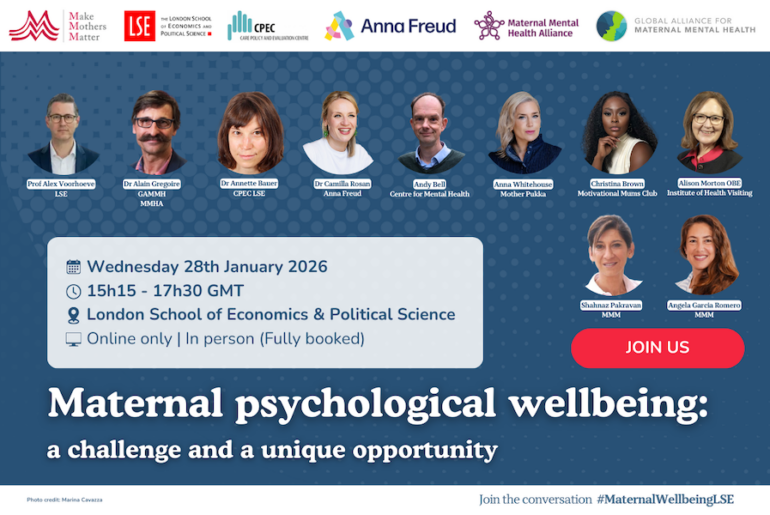
Maternal Psychological Wellbeing: A Challenge and a Unique Opportunity
13.01.26
Wednesday 28 January 2026 | 15:15 – 17:30 GMT London School of Economics & Political Science (LSE) – Live broadcast #MaternalWellbeingLSE Maternal mental health is one of the most pressing

Climate Change: A Maternal Physical and Mental Health Emergency
13.11.25
In the lead-up to the UN climate change conference in Belem, Brazil (COP30), MMM was delighted to collaborate with Dr. Saravanan Thangarajan, a Visiting Scientist & Faculty member at Harvard
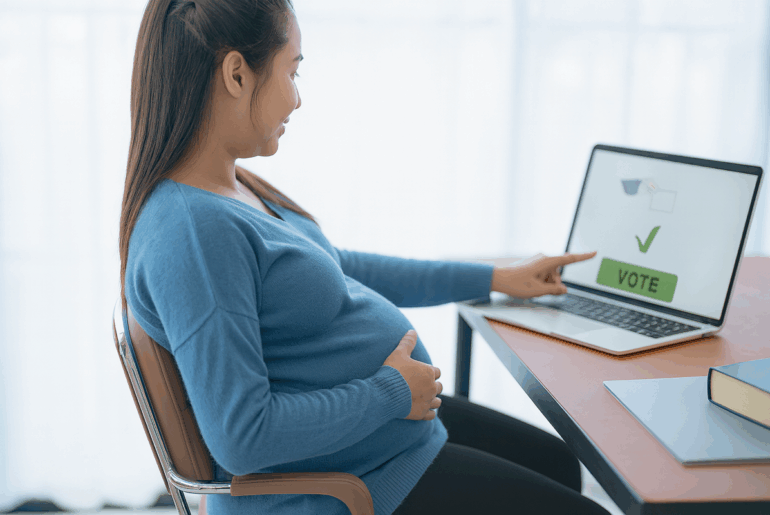
Democracy on Hold: The Hidden Penalty for Parliamentarians Who Become Mothers
27.11.25
The European Parliament adopted a legislative resolution on the amendment of the European Electoral act, allowing Members to vote in plenary by proxy voting during pregnancy and after giving birth.