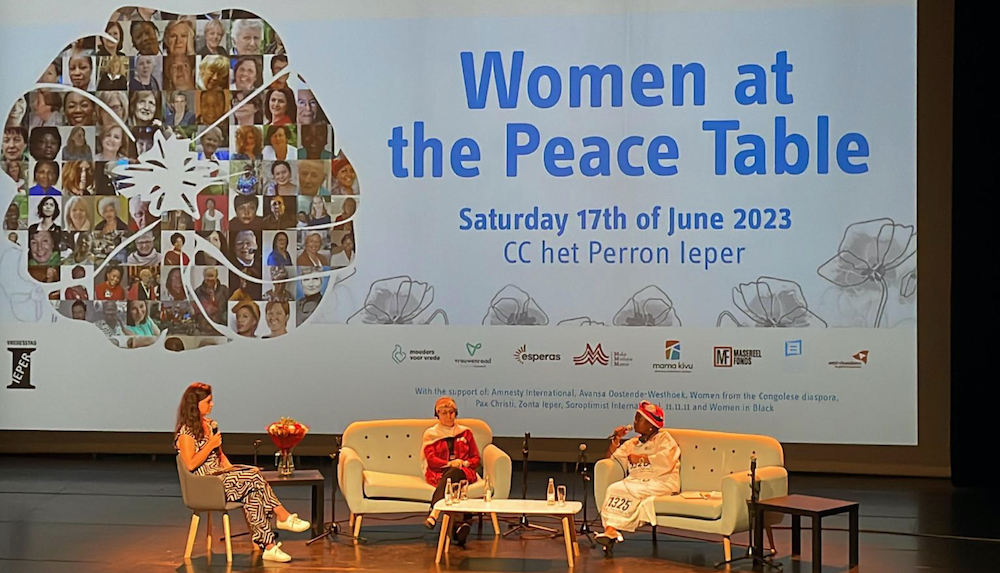
A snapshot of our Women at the Peace Table Conference
20.06.23
It was by all accounts, a remarkable gathering of global peacemakers. They came from all over the world to lend their voice and support to the message of the Conference: there can be no sustainable peace unless women are not only at the table, but also part of the construction of that table.
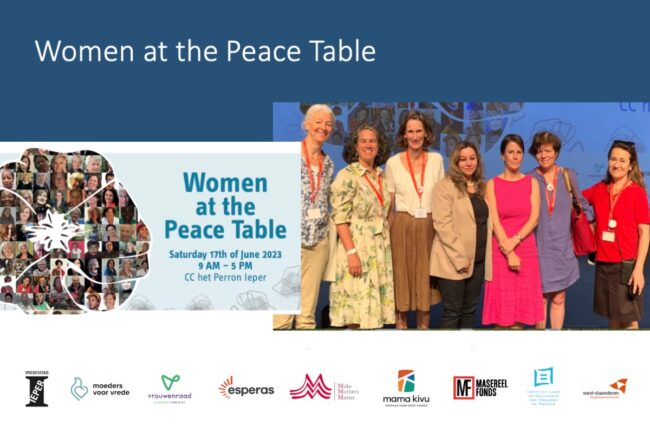
On June 17th MMM, together with the city of Ypres, and its grass roots partners Mothers for Peace, Mama Kivu, Masereelfond and the Vrouwenraad, brought together activists and peace negotiators representing many countries, including Afghanistan, Israel, Palestine, Ukraine, Russia, Uganda and Congo.
 They converged for the one-day event in Ypres, Belgium to emphasize the importance of promoting peace not just through participation in power structures, by political leaders, but also by grassroots organizations. And to highlight the critical need for women to be active, present and heard at all levels.
Ambassador Anwarul K. Chowdhury, Former Under-Secretary-General and High Representative of the United Nations and initiator of the UNSCR 1325 as the President of the UN Security Council, opened the Conference. In his recorded address he reminded the audience:
‘the key focus of 1325 is that women – equal half of humanity – bring a new breadth, quality and balance of vision to our common effort to move away from the cult of war towards the culture of peace.’
Here are some of the key expressions from a memorable event:
The UN Special Rapporteur on violence against women, Reem Alsalem placed the message of the conference firmly centre stage when she told the audience: “Peace needs women and women need peace. Women must be at the table but also contribute to the construction of the peace table”.
A stark reminder came from Anne Abaho, Professor at Nkumba University in Uganda: “When the conflict is over, women live with the memory of atrocities and have to deal with them in their bodies…that’s why it’s important that they are part of post conflict environments”. (Watch her video message here)
Human Rights advocate Dr Sima Samar, former Vice president and Minister of Women’s Affairs in Afghanistan, spoke passionately when she told the audience: “Afghanistan is the first and only country which has established a gender apartheid. I am calling for accountability, for the gender apartheid applied by the Taliban”. She added that the Taliban cannot take away the knowledge that people already have. “What is happening in Afghanistan is a collective failure. We have to take collective action.”
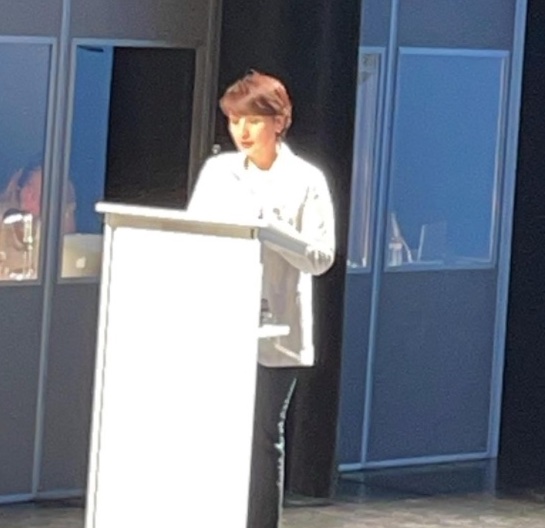 And still with Afghanistan, human rights activist Razia Arefi, who was Country Director for our partner Mothers for Peace in Afghanistan, told the conference: “A vicious war is going on in Afghanistan against women for being women…15 million Afghan women…we need to listen to the silenced voices”. (Read Razia’s speech here)
The topic of ‘fighting for climate’ to prevent armed conflict and avoid violations of women’s rights, was tackled by Youth for Climate. Boon Breyne voiced the fears of many when he said: “I am terrified by the perspective of climate-induced war”. He went on to call for “A System change not climate change – such a system must be based not on wealth but on wellbeing – and care”.
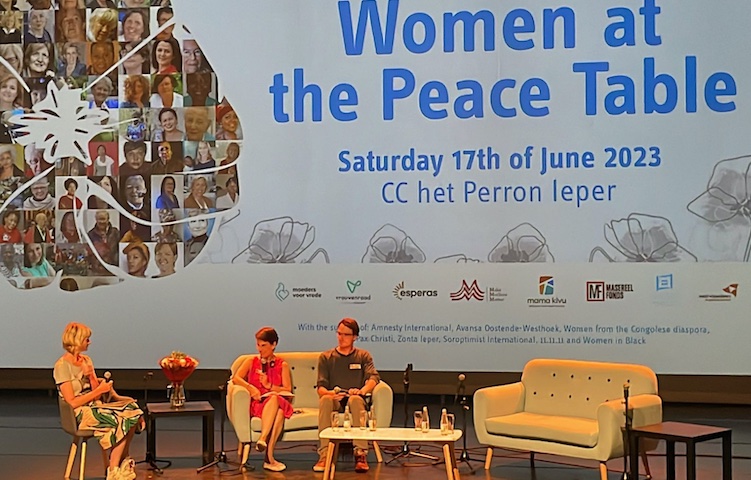
From Isarel, Robi Damelin representing The Parent’s Circle, summed up the conference mood with these strong words: “Don’t be pro Israel, don’t be pro Palestine, be pro peace”.
 The Belgian Minister of Foreign Affairs Hadja Lahbib, reminded everyone of the need for more women in politics as a firm solution. She said: “To achieve equal participation of women & men in politics & peace negotiations, we need gender equality in all spheres of society…more women are needed in politics to achieve that”. (Watch her video message here)
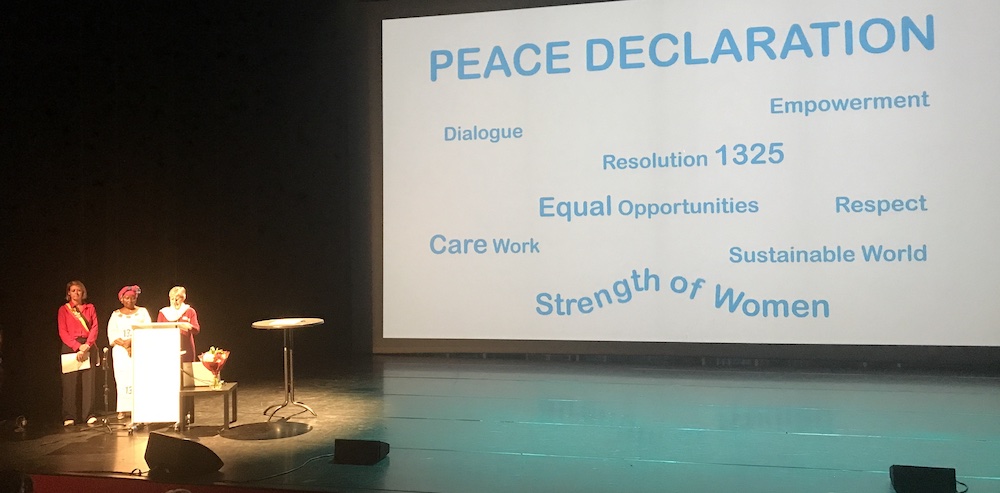
The conference ended on a poignant note with the reading and signing of a Peace Declaration in three languages.
Be part of this vital conversation. Sign the Peace Declaration here: https://www.womenpeacetable.com/en
➔ For additional information, including detailed program, see also our invitation article.
 Share
Share Share
Share Print
Print Email
Email
Europe Must Listen to Mothers: Our landmark report heads to the European Parliament
28.08.25
On 22 September 2025, the voices of mothers will take centre stage in Brussels. For the first time, Make Mothers Matter (MMM) will present its State of Motherhood in Europe
Belgian Mothers Face Alarming Rates of Burnout and Perinatal Depression, New EU Survey Finds
03.07.25
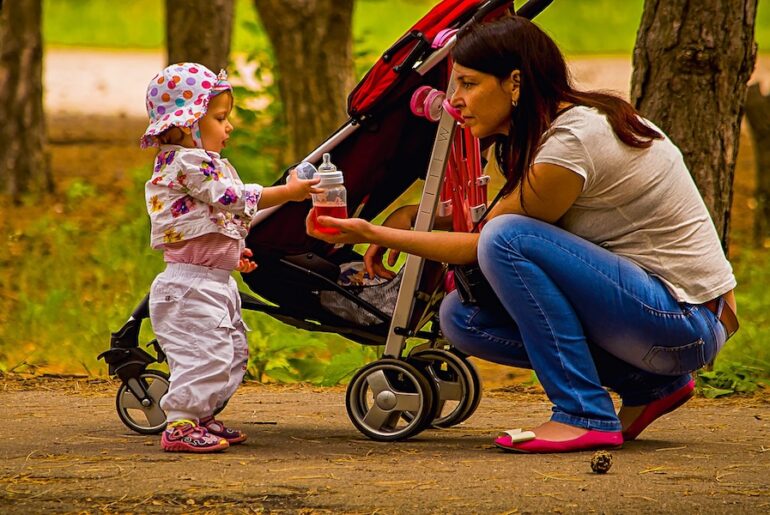
Belgian mothers are facing a mental health crisis. According to the State of Motherhood in Europe 2024 survey by Make Mothers Matter (MMM) and Kantar, Belgium reports the highest rates
Recognising Unpaid Care Work and addressing Its Unequal Distribution: A Key Step in Tackling Informal Employment
15.06.25
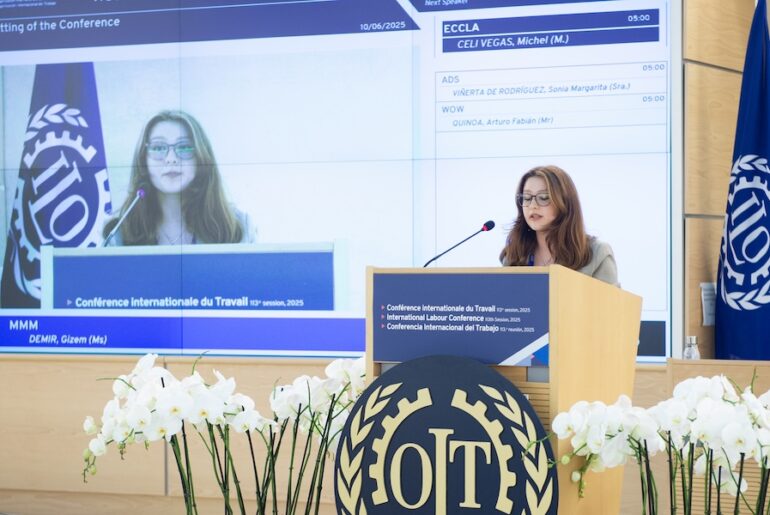
UN Geneva – At the 113th International Labour Conference (ILC), Make Mothers Matter (MMM) brought the perspectives of mothers and other unpaid caregivers to two key agenda topics: the transition