Care is a common good that must be nurtured and valued
04.11.24
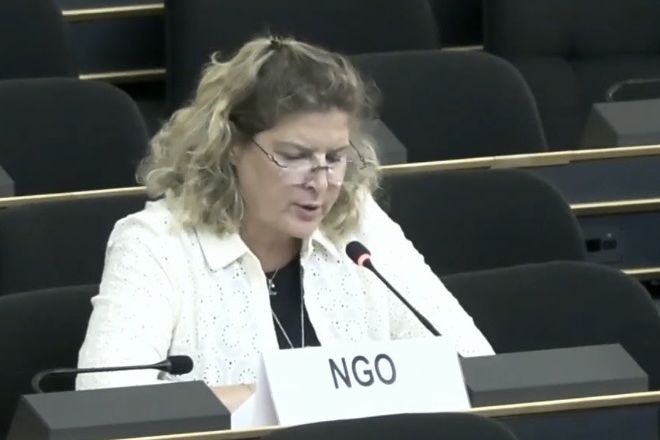
Our Executive Director Afaf Abounouadar was in Geneva recently for the commemoration of the International Day of Care and Support organised by UN Women, the International Labour Organisation (ILO) and the Office of the High Commissionner for Human Rights (OHCHR) at the Palais des Nations.
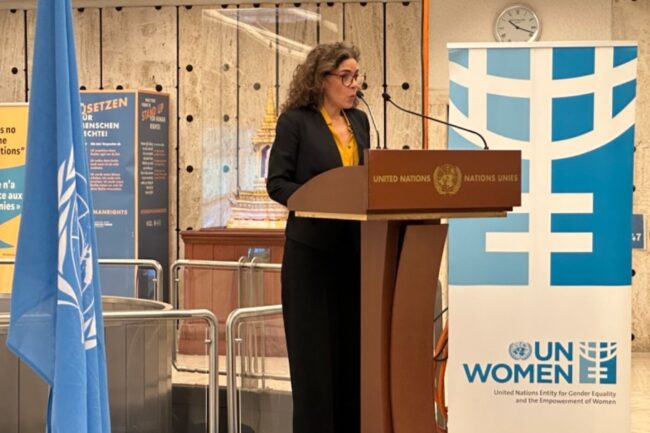
As the only NGO present, MMM was invited to take part in recognition of our consistent and committed work on the topic of care and support, in particular, that of mothers.
The discussion ‘Investing in human rights-based care and support economy in attaining the 2030 agenda’ brought together Member States, UN Agencies, actors of the labour market and other stakeholders, providing us with a great opportunity to underline the economic value of a mother’s unpaid care work.
It is no secret that globally, women spend over 3 times more hours per day on unpaid care and domestic work than men, with mothers bearing the brunt of this vital work.
Afaf provided a timely reminder that maternity exacerbates gender inequalities (SDG 5), contributes to poverty (SDG 1), and impacts health and well-being (SDG 3).
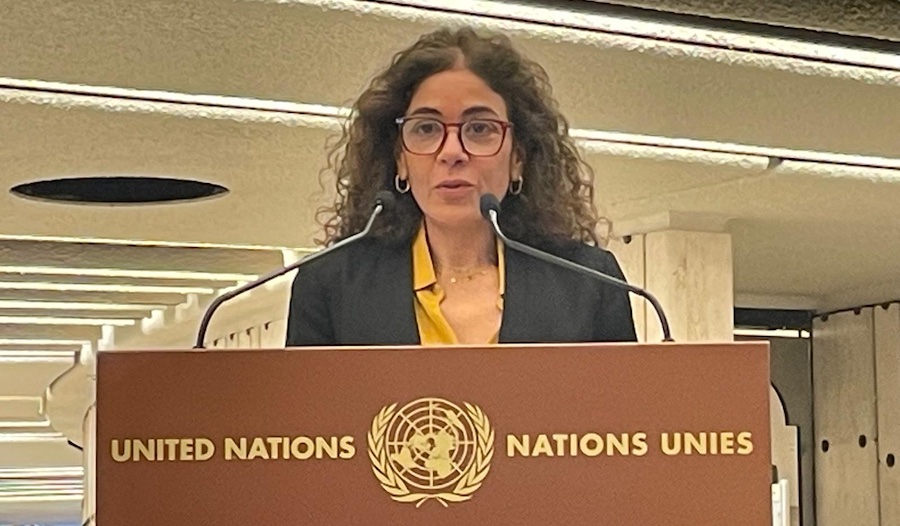
She told the high-level gathering: “If we want to attain the SDGs, and we don’t have much time left, we need a radical shift in how we view caregiving responsibilities and how they are shared”.

 Share
Share Share
Share Print
Print Email
Email
Maternal Psychological Wellbeing: A Challenge and a Unique Opportunity
13.01.26
Wednesday 28 January 2026 | 15:15 – 17:30 GMT London School of Economics & Political Science (LSE) – Live broadcast #MaternalWellbeingLSE Maternal mental health is one of the most pressing

Climate Change: A Maternal Physical and Mental Health Emergency
13.11.25
In the lead-up to the UN climate change conference in Belem, Brazil (COP30), MMM was delighted to collaborate with Dr. Saravanan Thangarajan, a Visiting Scientist & Faculty member at Harvard
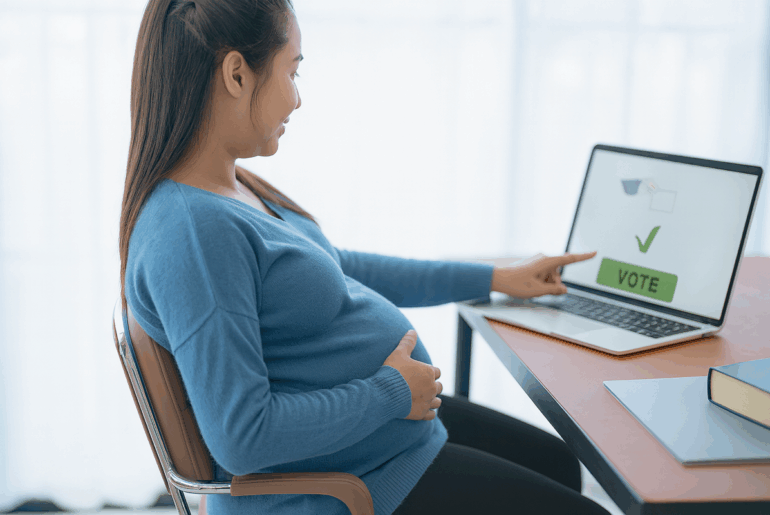
Democracy on Hold: The Hidden Penalty for Parliamentarians Who Become Mothers
27.11.25
The European Parliament adopted a legislative resolution on the amendment of the European Electoral act, allowing Members to vote in plenary by proxy voting during pregnancy and after giving birth.