Empowered mothers can provide the nurturing care which is so important for Early Childhood Development
07.06.18
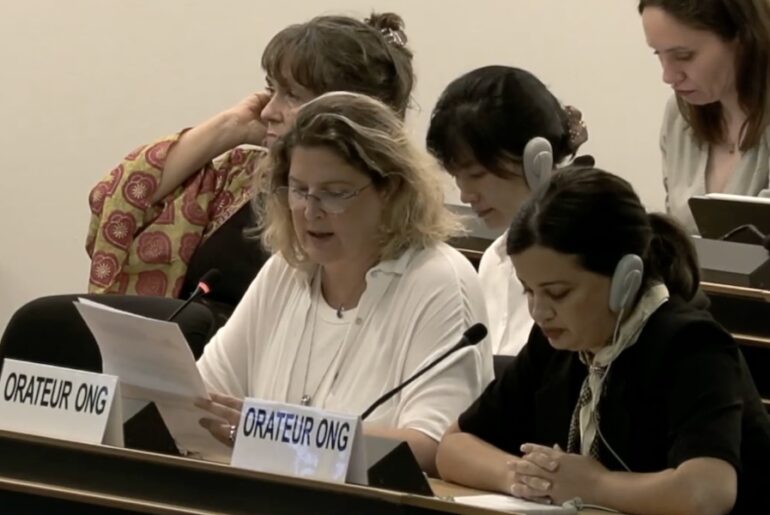
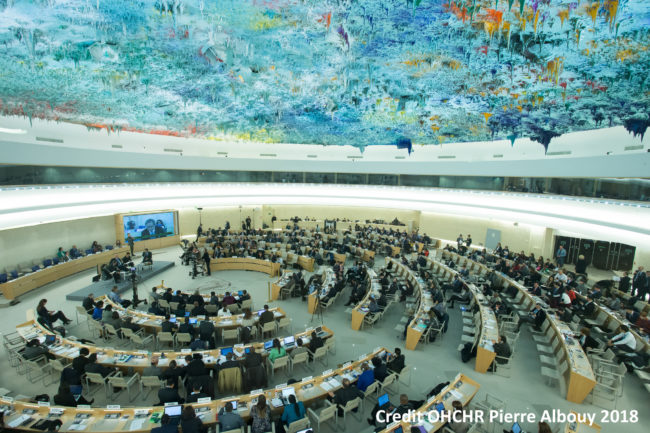
UN Geneva - In a written Statement ahead of the Human Rights Council, MMM draws attention to the challenges faced by mothers in ensuring the necessary nurturing and caring environment during the critical first years of their child.
Challenges faced by mothers and families to ensure a healthy start for their children
In addition to the obvious challenge of the absence of basic maternal healthcare infrastructure and services that persists in still too many parts of the world, such challenges include:
- barriers to breastfeeding: in addition to its intrinsic difficulty, breastfeeding is not always culturally accepted, and both misleading marketing about formula milk and early return to work influence a mother to breastfeed or not ;
- Toxic stress in the family: poverty, violence, insecurity, exclusion, discrimination, isolation, separation all create stress in the family that can prevent parents from ensuring a nurturing care environment for their children that is so crucial for their optimum development
- Violence against women and children: violence to a mother by her intimate partner – whether it is physical, sexual or emotional abuse, or even controlling behaviour – IS also violence against her children and can have long-lasting negative consequences on their development
- Maternal mental health problems: often overlooked, maternal mental illness, including depression, impedes a mother’s ability to tend to her child
- The lack of parenting skills: parenting is a challenging job, and parents need information and support.
Empowering mothers and families for Early Childhood Development (ECD)
MMM recommendations include:
- Investing in quality maternal healthcare
- Working across sectors
- Providing support for mothers during pregnancy and after childbirth
- Ensuring maternity protection at work
- Addressing domestic violence
- Recognizing the importance of the unpaid work of caring for a child, especially during the critical time between pregnancy and age 3, and addressing the issue of its unequal distribution as a major obstacle to gender equality – it matters also for ECD.
- Involving fathers – from pregnancy.
Nurturing care for optimal Early Childhood Development is first a question of child rights But it is also about social transformation and building more peaceful societies.
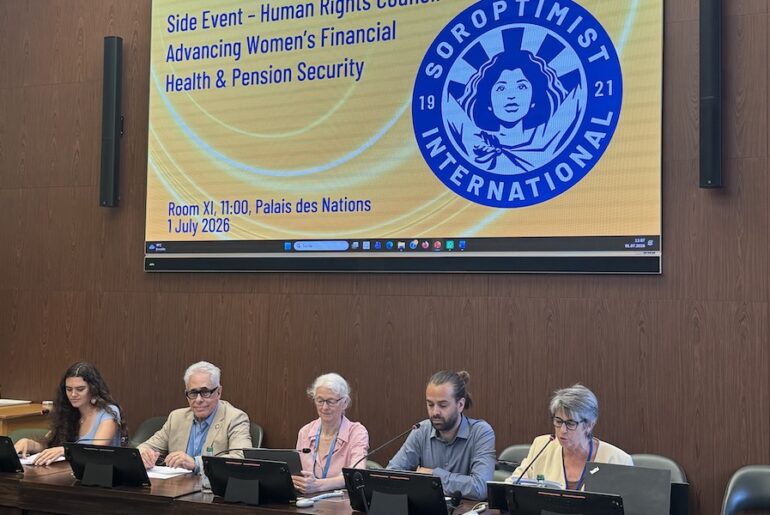
MMM brought these challenges and recommendation to the attention of the Human Rights Council in a more detailed fashion through a written Statement ahead of the 38th Session, which took place from 18 June to 6 July 2018 at the Palais des Nations in Geneva.
With this Statement, MMM also made the link with the Nurturing Care Framework which was launched during the World Health Assembly in may 2018.
 MMM written Statement to the 38th Session of the Human Rights Council (ref. A/HRC/38/NGO/82)
 Share
Share Share
Share Print
Print Email
Email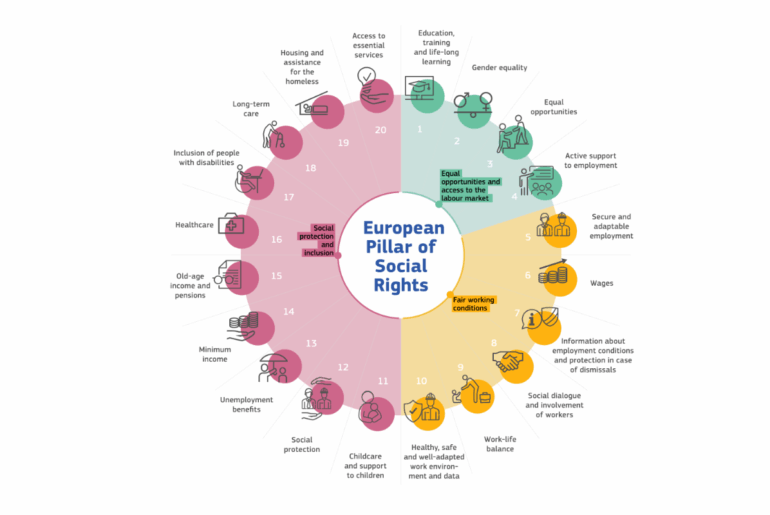
The European Pillar of Social Rights Action Plan
Strengthening Support for Mothers
12.09.25
Our 2024 State of Motherhood in Europe survey of 9,600 mothers across 11 EU Member States and the UK paints a clear picture: motherhood is still not properly recognised or
Europe Must Listen to Mothers: Our landmark report heads to the European Parliament
28.08.25
On 22 September 2025, the voices of mothers will take centre stage in Brussels. For the first time, Make Mothers Matter (MMM) will present its State of Motherhood in Europe
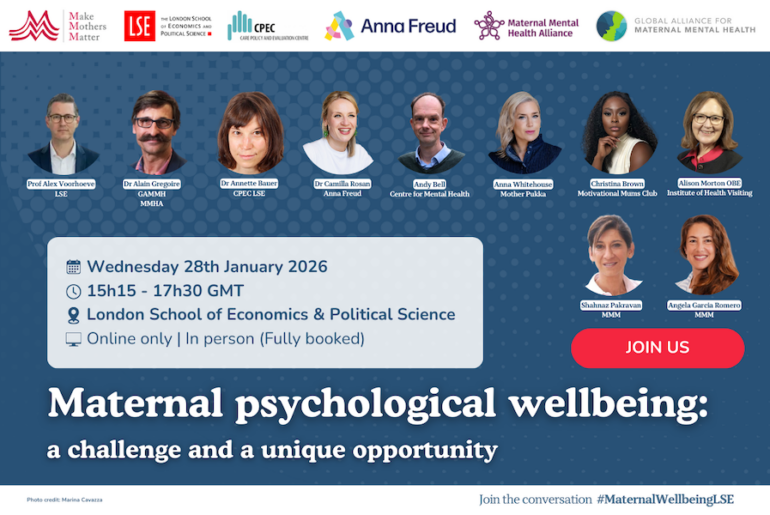
Maternal Psychological Wellbeing: A Challenge and a Unique Opportunity
13.01.26
Wednesday 28 January 2026 | 15:15 – 17:30 GMT London School of Economics & Political Science (LSE) – Live broadcast #MaternalWellbeingLSE Maternal mental health is one of the most pressing