Motherhood, the unfinished business of the Beijing Conference
25.02.25
UN New York – It has been thirty years since the Beijing Declaration and Platform for Action, which laid the groundwork for transformative changes towards gender equality and the empowerment of women. In our written statement to the 69th UN Commission on the Status of Women, which will review implementation, we acknowledge the progress made, such as a global improvement in maternal survival, increased female literacy and economic agency, as well as an expansion in social policies and legal protections for mothers, but highlight that there is still much that remains to be done - in particular in relation to motherhood.
Progress on gender equality has been uneven and even stalled in many countries. Currently, no country is on track to achieve gender equality by 2030. Women’s rights to this day continue to be challenged.
Between 2019 and 2022, about 40% of countries worldwide stagnated or declined on gender equality indicators. The Covid-19 pandemic revealed how much our societies depend on unpaid care work, a responsibility that disproportionately falls on women and significantly impacts their economic participation. The issue of the inequitable distribution of unpaid care and domestic work – which is at the heart of gender inequalities, and which directly relates to motherhood – has not been properly addressed by the Beijing Platform for Action: it is the unfinished business of the Beijing Conference.
Investing in care is investing in the well-being of society and our future. Mothers play a critical role in both the family unit and the broader economic and social fabric of communities. When they are recognised as such and adequately supported, the benefits ripple across various dimensions of societal well-being. Empowered mothers shape the future.
Our statement calls for amending the social and economic barriers mothers face. In particular:
- Unpaid care work needs to be recognised. Since it is largely invisible, assessments to measure it should be implemented and its value within the economic sector should be acknowledged and taken into account
- Unpaid care work should be everyone’s responsibility. Governments need to promote a more equitable distribution of unpaid care work between men and women – including by addressing gender-stereotypes, but also across society, with governments and the private sector taking their share of responsibilities and costs
- Unpaid care work can be lessened through an adequate support system. Governments must ensure accessible public infrastructure, educational advancement, and childcare options, with extra attention and support for single mothers
 Read our full written statement as submitted– official UN Document (ref. E/CN.6/2025/NGO/74)
The 69th session of the UN Commission on the Status of Women will take place 10-21 March 2025 at the UN Headquarter in New York. MMM will be there – with 2 parallel events: stay tuned for more information.
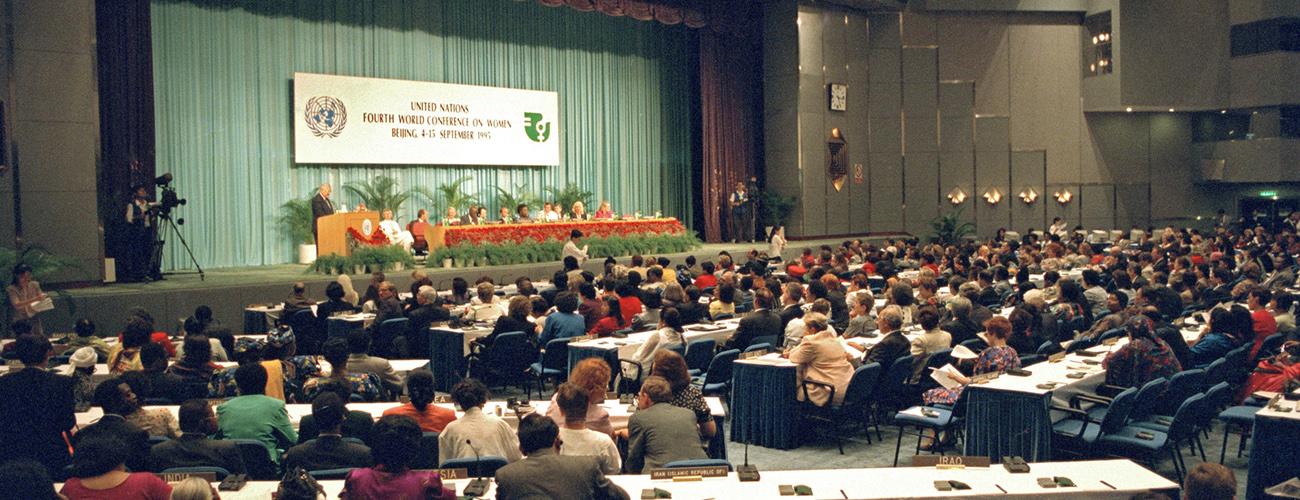
Fourth World Conference on Women in 1995 in Beijing
 Share
Share Share
Share Print
Print Email
Email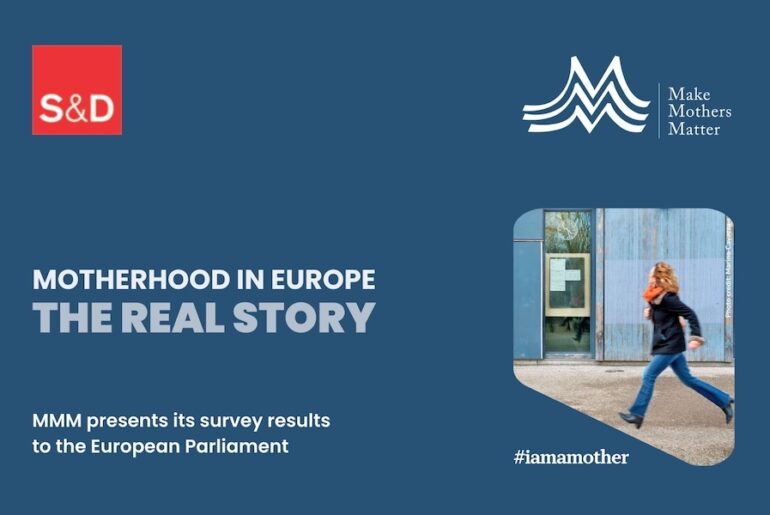
Europe Must Listen to Mothers: Our landmark report heads to the European Parliament
28.08.25
On 22 September 2025, the voices of mothers will take centre stage in Brussels. For the first time, Make Mothers Matter (MMM) will present its State of Motherhood in Europe
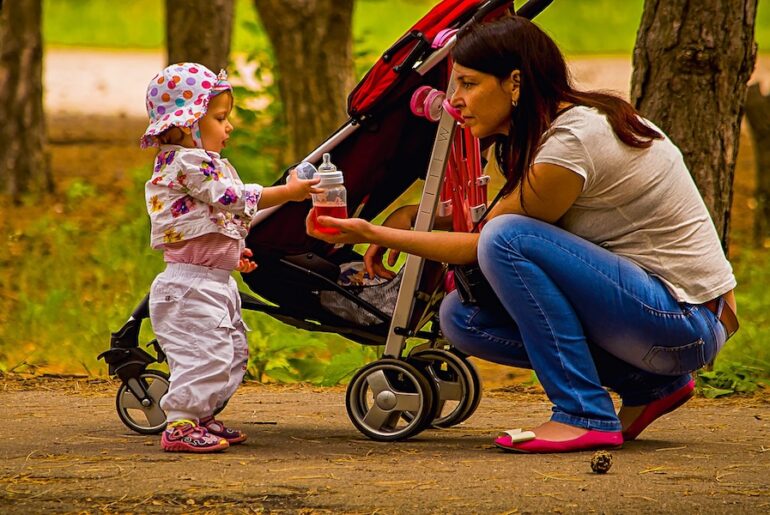
Belgian Mothers Face Alarming Rates of Burnout and Perinatal Depression, New EU Survey Finds
03.07.25
Belgian mothers are facing a mental health crisis. According to the State of Motherhood in Europe 2024 survey by Make Mothers Matter (MMM) and Kantar, Belgium reports the highest rates
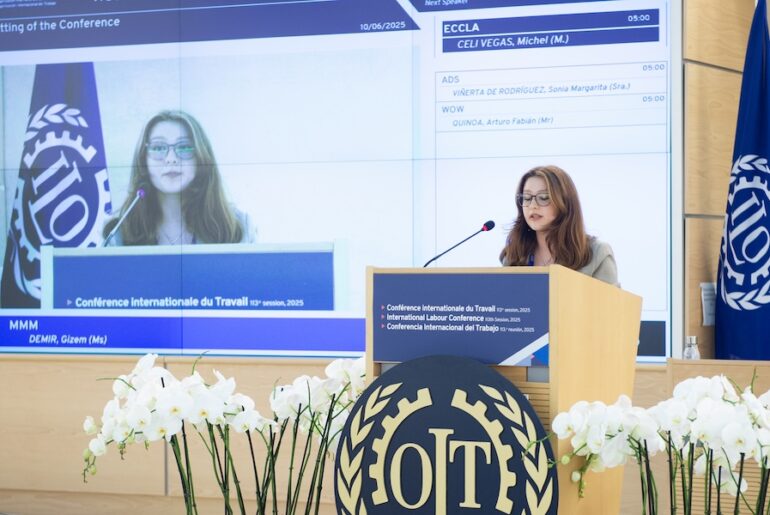
Recognising Unpaid Care Work and addressing Its Unequal Distribution: A Key Step in Tackling Informal Employment
15.06.25
UN Geneva – At the 113th International Labour Conference (ILC), Make Mothers Matter (MMM) brought the perspectives of mothers and other unpaid caregivers to two key agenda topics: the transition