#RaiseAPen Donate Now
Support our #RaiseAPen Campaign
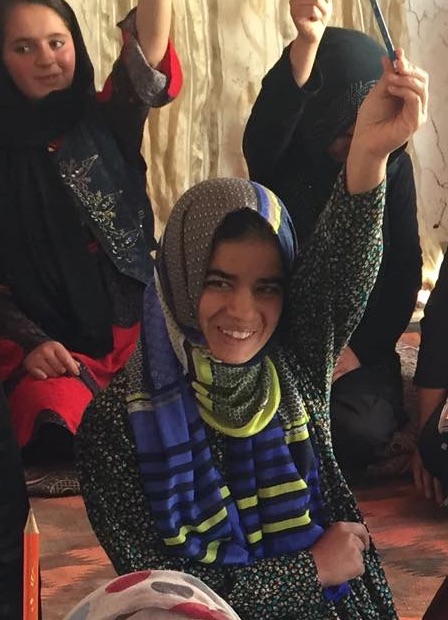
Photo Courtesy of Mother For Peace
Your donation will help us amplify the voices of Afghan mothers who are fighting for the continued right to education for their daughters at a critical moment in the history of Afghanistan. The right to education is not just a basic human right but key to achieving sustainable development and peace.
Raising the voices of mothers is powerful not only because mothers inspire respect but also because they are change makers within their family and community.
Ultimately, standing for girls’ education in Afghanistan
is standing for girls’ education everywhere.
We thank you for your support
Make a donation (in Euro)
Note: MMM is a non-profit association under French Law (loi 1901). If your fiscal residence is France, you can benefit from a deduction on your individual income tax equal to 66% of the amount given (capped at 20% of the taxable income – or 0.5% of the turnover for a corporation)
- by cheque addressed to Make Mothers Matter (only for persons who have a bank account in France) – send to Bât B – 5 rue de l’Université – 75007 Paris
- by Bank Transfer
BNP Paribas
15 rue du 75007 Paris – France
IBAN : FR76 3000 4003 6400 0100 4629 414
Swift: BNPAFRPPXXX - by Credit Card