Be Family launch event: placing work-life balance at the heart of workplace policies
05.12.24
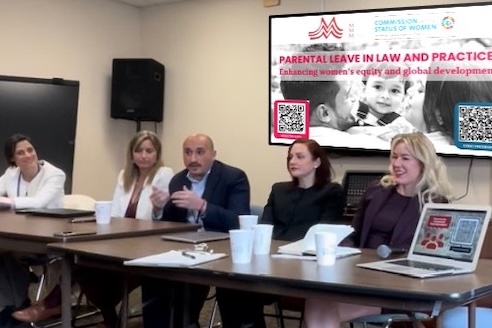
Make Mothers Matter co-presented the official launch of Be Family in Paris, a movement aimed at bridging the gap between personal and professional life for working parents. This first event, which took place in November, featured 12 passionate and inspiring speakers along with over 100 participants, primarily HR professionals and work-life balance experts.
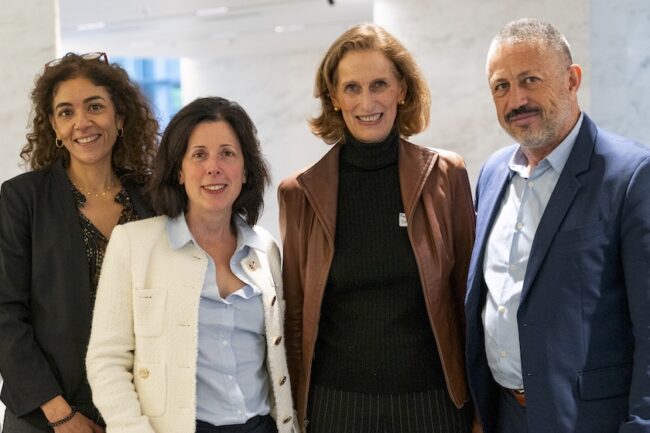
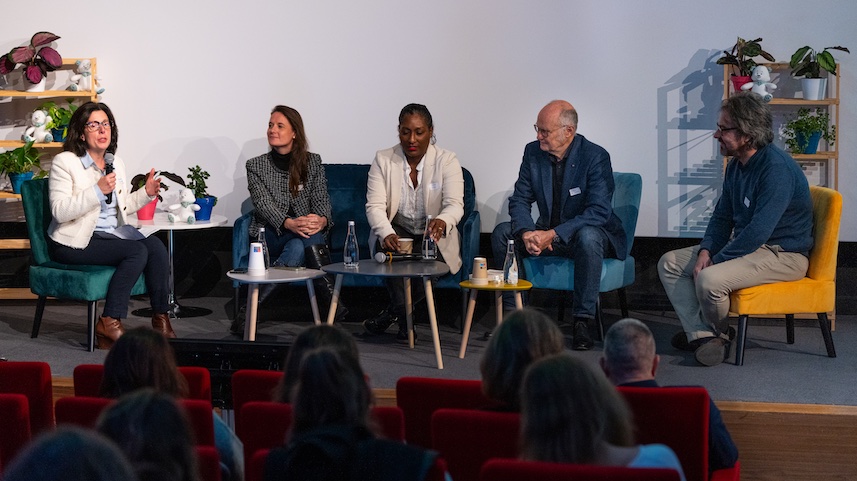
Picture above, from left to right: Afaf Abounouadar, MMM Executive Director; Françoise Cardoso, Be Family co-founder; Anne-Claire de Liedekerke, MMM President; Markus Sandmayr, Be Family co-founder
The energy and commitment of all attendees made the event a resounding success, laying the foundation for Be Family’s mission: to create more inclusive, family-friendly work environments that recognise and support the essential role of parents.
While corporate family policies have improved, driven by evolving regulations and the increasing participation of women in the labour force, achieving true work-life harmony remains a significant challenge, in particular for mothers. At MMM, we understand that for too long, families—especially mothers—have adapted to the needs of businesses. However, we firmly believe it is now time to change this around and for companies to adapt to the realities of modern families. Studies consistently show that happy, supported parents and caregivers are more productive and engaged employees—a clear win-win for individuals and companies alike.
The launch event brought together corporate leaders, advocates and members of the Be Family Community to inspire change and innovation in workplace policies. Highlights of the day included:
- Panel discussions: Thought leaders like Marie Turc (Microsoft), Sylviane Balustre-d’Erneville (L’Oréal), Antoine de Gabrielli (author of S’émanciper à deux), Tiphaine Mayolle (author of La parentalité en entreprise expliquée à mon boss) and Julien Brezun (Great Place to Work France) shared perspectives on the challenges of parenting at work and strategies to address them
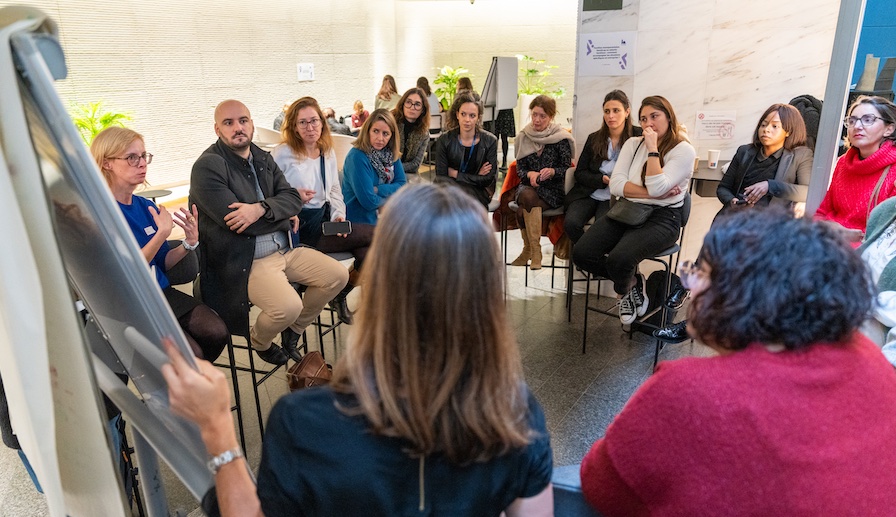
- 5 co-innovation workshops: Using collective intelligence, participants tackled key issues and discussed actionable solutions to support parents in the workplace
Looking ahead, Be Family will continue its efforts to drive change. Below are some highlights from recent activities:
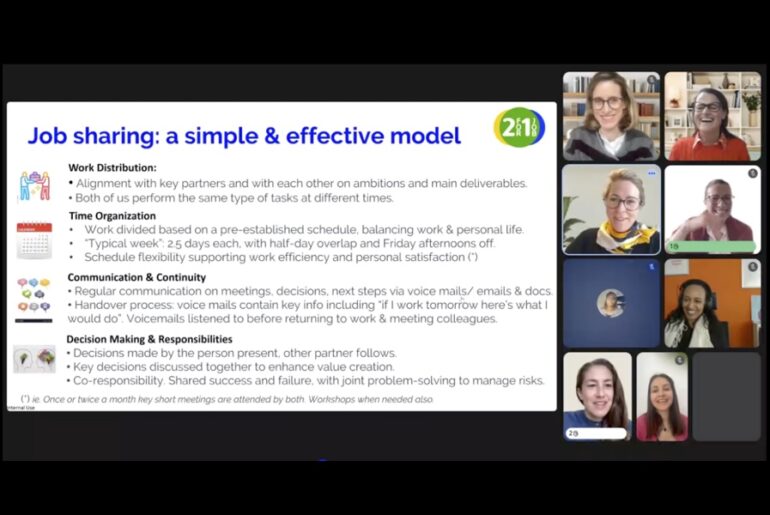
- Podcast: what is job sharing? A new work model that makes demanding roles accessible to part-time schedules by enabling two talented individuals to share the same position. Get insights from Myriam Loingeville of JobTandem. Listen here
- Webinar replay: Learn how to improve employees’ well-being and attract top talents with better parental policies, featuring Marine Desandre (Les Parents Zens) and Lucille Wattraint (Juners). Watch here
As a co-founder of Be Family, MMM seeks to take bold steps in influencing both policymakers and business leaders to champion and implement workplace parental policies that genuinely address the needs of families. By showcasing this initiative and the best practices it generates MMM aims to spark profound and lasting changes in professional environments, fostering a more inclusive and family-friendly work culture, for the benefit of everyone.
MMM and Be Family invite companies to join this transformative movement, proving that supporting families is not just good ethics—it’s good business.
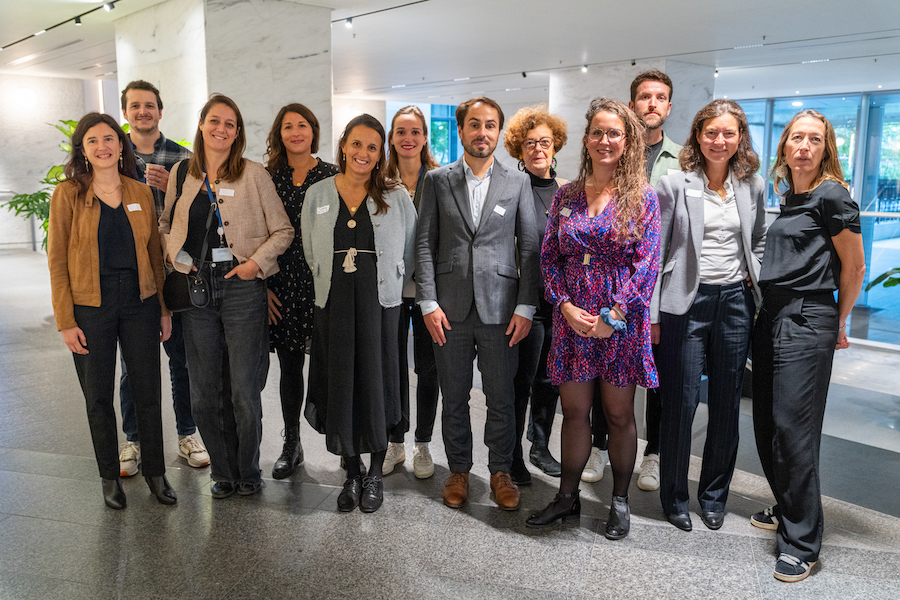
The Be Family Community
 Share
Share Share
Share Print
Print Email
Email
Europe Must Listen to Mothers: Our landmark report heads to the European Parliament
28.08.25
On 22 September 2025, the voices of mothers will take centre stage in Brussels. For the first time, Make Mothers Matter (MMM) will present its State of Motherhood in Europe

Belgian Mothers Face Alarming Rates of Burnout and Perinatal Depression, New EU Survey Finds
03.07.25
Belgian mothers are facing a mental health crisis. According to the State of Motherhood in Europe 2024 survey by Make Mothers Matter (MMM) and Kantar, Belgium reports the highest rates
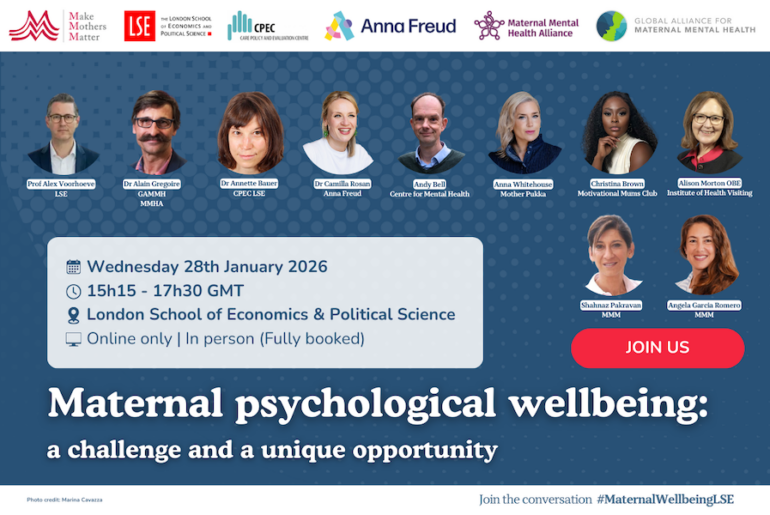
Maternal Psychological Wellbeing: A Challenge and a Unique Opportunity
13.01.26
Wednesday 28 January 2026 | 15:15 – 17:30 GMT London School of Economics & Political Science (LSE) – Live broadcast #MaternalWellbeingLSE Maternal mental health is one of the most pressing