MMM unites with its associate members against the pandemic
10.02.21
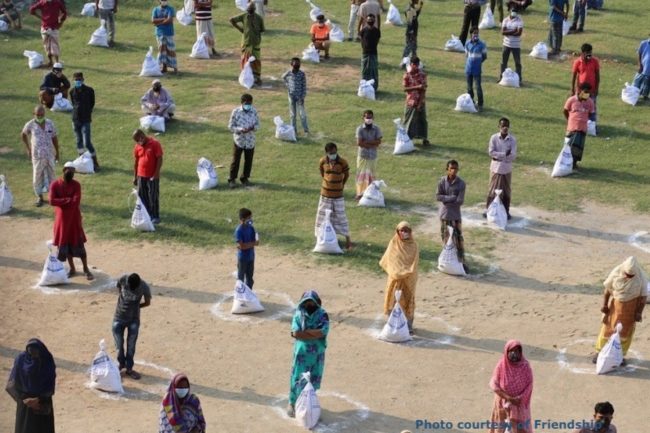
UNESCO - At the start of the global pandemic in 2020, eight NGO-UNESCO partners decided to collaborate with their grass roots associations in solidarity actions to share the voices of the most vulnerable and to understand the evolving situations on the ground.
Partners included: the International Federation of Business and Professional Women, International Catholic Cooperation Center for UNESCO, the Association Montessori Internationale, World Organization for Early Childhood Education and Care, International Fellowship of Reconciliation,International Movement ATD Fourth World, and the South Asia Foundation.
The global online exchanges on the Facebook solidarity platform enabled local associations to connect rapidly, sharing reliable information and best practices amongst themselves as well as with international NGOs, including MMM.
The project report adresses many key issues
What major challenges do local populations face?
To what extent is civil society mobilised?
What concrete consequences of the crisis should be considered when defining future post-COVID priorities?
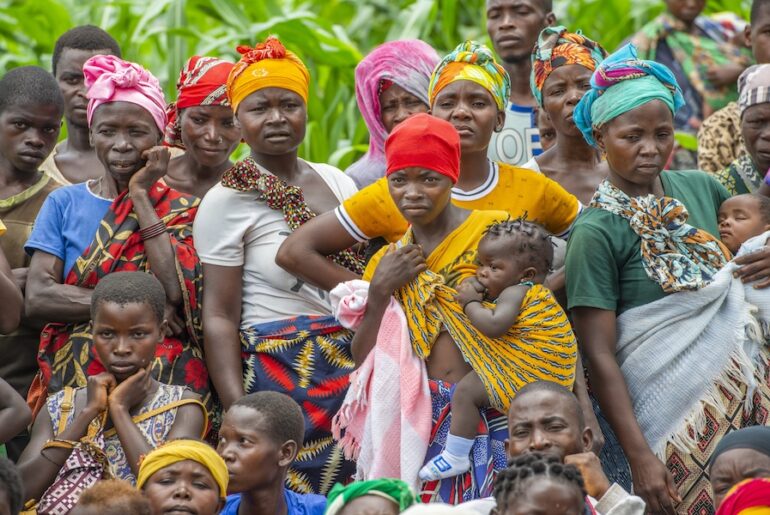
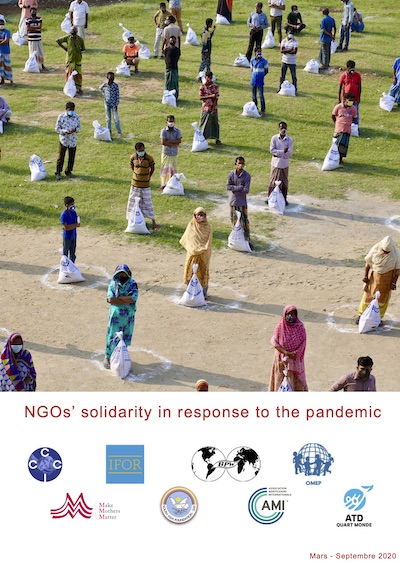 For MMM, the priority has always been mothers, Based on real situations and experiences of diverse populations on different continents, this report also highlights the decisive role mothers have played in creating spontaneous initiatives to fight against the pandemic and protect the weakest.
UNESCO supports the project
Supported by UNESCO, the collaborative solidarity project between NGO partners, confirms MMM’s commitment to this international Organisation. Read the article on the UNESCO website.
MMM’s contribution is based on the belief that the indispensable reconstruction of “living together” will be unachievable without strengthening civil society partnerships, particularly with local NGOs. Only then can people’s specific needs be addressed and met, allowing for the opportunity to work towards building a more peaceful and just world.
Despite the uncertainty and the many challenges, mothers have remained resolutely committed to the hope of a more peaceful and equitable world for the future of their children.
Now more than ever it is essential to listen to mothers and support them
Project website: www.reseausolidariteong.com
Contact: solidarityproject.ngos@gmail.com
 Share
Share Share
Share Print
Print Email
Email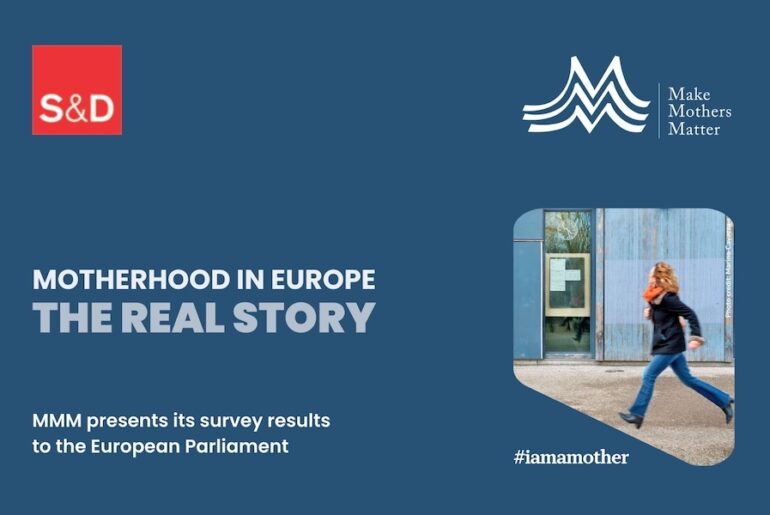
Europe Must Listen to Mothers: Our landmark report heads to the European Parliament
28.08.25
On 22 September 2025, the voices of mothers will take centre stage in Brussels. For the first time, Make Mothers Matter (MMM) will present its State of Motherhood in Europe
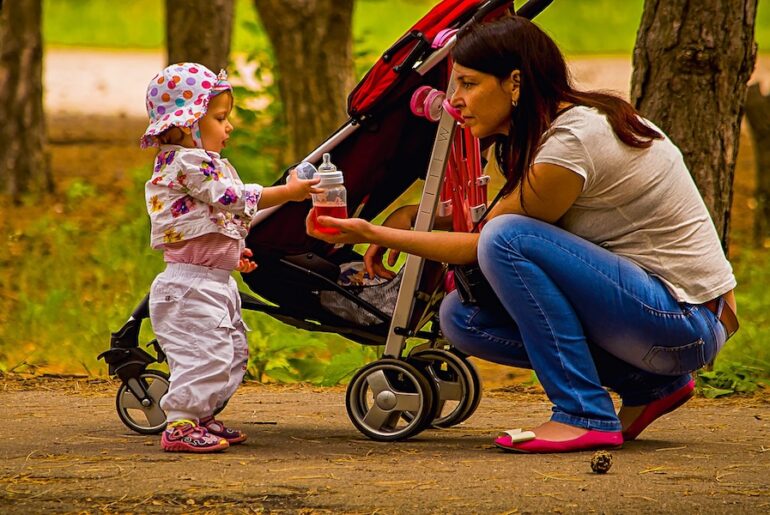
Belgian Mothers Face Alarming Rates of Burnout and Perinatal Depression, New EU Survey Finds
03.07.25
Belgian mothers are facing a mental health crisis. According to the State of Motherhood in Europe 2024 survey by Make Mothers Matter (MMM) and Kantar, Belgium reports the highest rates

Parental Mental Health Takes Centre Stage at the French National Assembly
02.04.25
Paris, France – On April 2nd, Make Mothers Matter was honoured to have key findings from its State of Motherhood in Europe 2024 report cited at the French National Assembly