Parent education, a major challenge
25.01.20
UN New York - MMM Statement at the High-level interactive dialogue on the occasion of the International Day of Education reaffirms the essential role of parents in children's education and calls for policies to support them in this increasingly challenging responsibility, including through parent education.
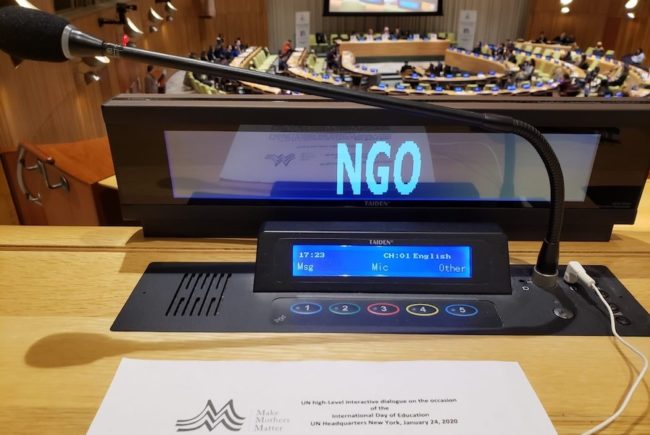
Extracts from MMM Statement
Our rapidly-changing world is leading to major transformations in societies and in family structures. From urbanization to family configuration to income and gender inequalities to work-family life imbalances, these changes have health consequences, with new risks of illness, increased drug addiction or mental health problems linked to daily stress. Furthermore, technology impacts relationships and behaviors.
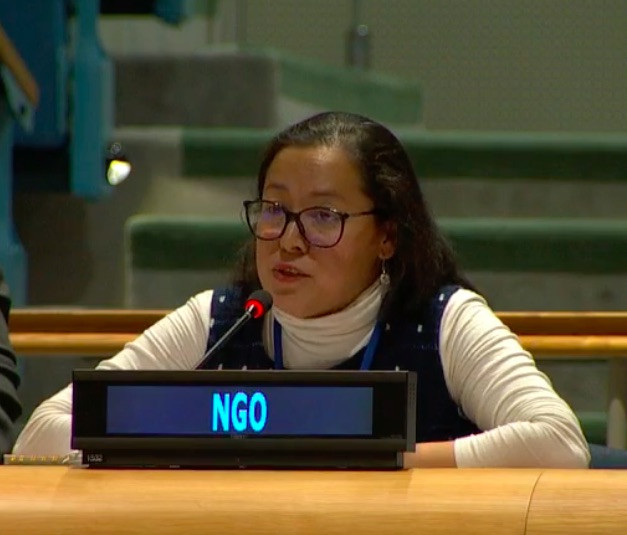
Jacqueline Leduc Rauline, MMM Representative at the UN in New York, speaking on behalf of MMM at the High-Level event on International Day of Education
As traditional structures disappear, new parenting challenges emerge, requiring concerted parental support efforts. As the UNESCO publication on the State of the World’s Early Childhood Care and Education indicates, global trends show that more than half of young children are at risk of being deprived of quality parental care in areas identified as essential. There is an urgent need to analyze and examine the reasons why some parents are not engaged in or unable to fulfill their parental child-rearing responsibilities.
Social and family policies play a key role in parenting practices and family functioning, but more needs to be done to provide parents with access to education and support programs, including pre-parenting education. These programs exist, and their evaluation must take into account not only the child’s cognitive development but also his or her physical and social development.
Parent education benefits not only children and families, but society as a whole. It is therefore an essential challenge, which we hope to address together.
 Full MMM Statement – Parent Education, a Major Challenge
MMM delivered this Statement during the High-Level event held at the UN headquarters in New York to celebrate the 2nd International Day of Education.
 Share
Share Share
Share Print
Print Email
Email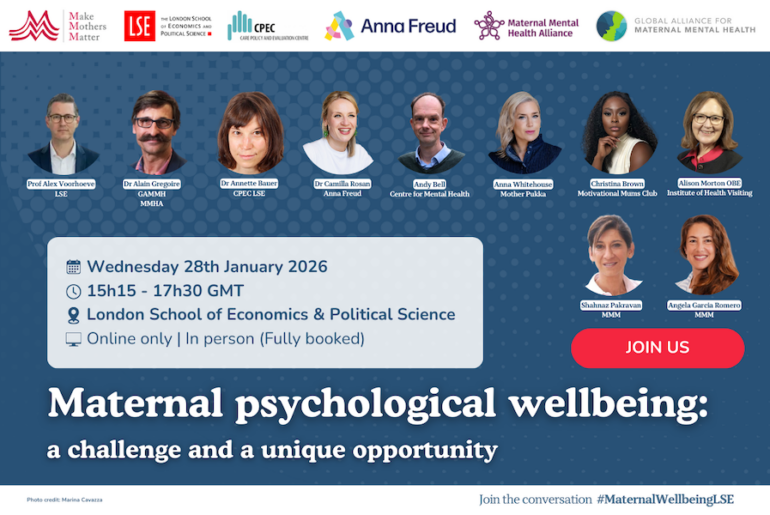
Maternal Psychological Wellbeing: A Challenge and a Unique Opportunity
13.01.26
Wednesday 28 January 2026 | 15:15 – 17:30 GMT London School of Economics & Political Science (LSE) – Live broadcast #MaternalWellbeingLSE Maternal mental health is one of the most pressing

Climate Change: A Maternal Physical and Mental Health Emergency
13.11.25
In the lead-up to the UN climate change conference in Belem, Brazil (COP30), MMM was delighted to collaborate with Dr. Saravanan Thangarajan, a Visiting Scientist & Faculty member at Harvard
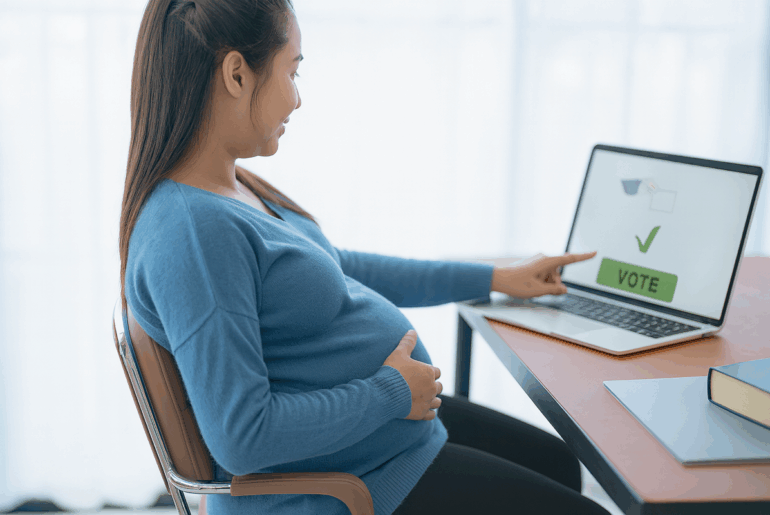
Democracy on Hold: The Hidden Penalty for Parliamentarians Who Become Mothers
27.11.25
The European Parliament adopted a legislative resolution on the amendment of the European Electoral act, allowing Members to vote in plenary by proxy voting during pregnancy and after giving birth.