Reconciling parenthood and work in Belgium – join the public consultation
30.05.24
MMM is proud to announce its support of a new initiative aimed at tackling the vital topic of ‘parenthood and employment’, a critically overlooked, urgent, and complex issue world-wide.
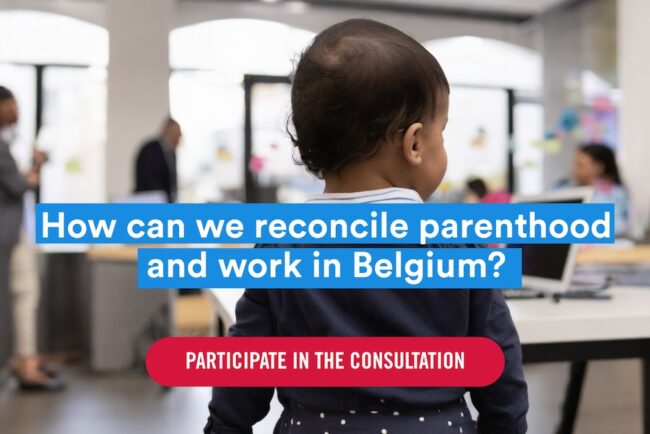
Within the Belgian context, the Degroof Petercam Foundation who initiated the project, has for many years championed a vision of a sustainable and inclusive society where everyone has the opportunity to thrive through employment.
What solutions would you like to see implemented for working parents?
Take part in the Consultation by submitting your suggestions and vote on those of others before 30 June 2024.
👉🏻 Head over to Make.org and have your say
Note: you can also participate in your preferred language (French, Dutch, German…) : it can be selected at the bottom right of the page.
The current situation in Belgium
According to Degroof Petercam’s research, the statistics for Belgium are quite startling, making this a multi-faceted problem:
Gender Equality
- Women face lower job participation rates compared to men (68% of professionally inactives are women), with a significant portion working part-time primarily due to caregiving responsibilities (40% women vs 12% men)
- This imbalance in formal labor force participation exposes women, in particular mothers, to economic precarity and mental health risks (3x higher for women who represent 70% of the poor population in Belgium).
Social Equity
- Full-time parenting is not recognised as work, leading to a lack of economic and social recognition for caregivers
- There exists a disparity between the value attributed to employment and the devaluation of active parenthood.
Health
- Belgium ranks among the top three countries globally in terms of parental burnout, with severe consequences for both parents and children
- Early childhood development is crucial, yet demanding, requiring parental availability that may conflict with employment obligations.
Economic Impact
- Women’s participation in the workforce is essential for economic prosperity and sustains social welfare systems
- Accessible child and family care services can enable women to maintain their employment, thereby contributing to their financial autonomy
- Family-friendly policies, as seen in Nordic countries, have demonstrated significant boosts in GDP per capita (+10-20%).
Public Policy
According to UNICEF, Belgium, on average, is not among the top performers in the OECD regarding public policies supporting parenthood. However, countries with a lower GDP, such as Portugal, have prioritised this issue and have managed to make significant progress.
A societal choice to decide on
Degroof Petercam urges us “to think of the long-term societal considerations that include the role of work in our lives, the place of children in our society, and our commitment to supporting families. What do we really want our society to look like?”
MMM is part of the group of experts invited to take part in this open Consultation to help truly reconcile parenthood and work in Belgium. The goal is to reach a consensus on the most proposed and voted answers. The results will be revealed in Autumn 2024 and the proposals will be analysed with the help of artificial intelligence (AI) to come up with a plan for concrete actions
Open to civil society, citizens, and non-profit organisations, the call is to put forward ideas to address the many employment-related challenges facing society today.
Join us by taking part in the open Consultation. Together, we can work for change.
👉🏻 Head over to Make.org and have your say
Note: you can also participate in your preferred language (French, Dutch, German…) : it can be selected at the bottom right of the page.

 Share
Share Share
Share Print
Print Email
Email
Europe Must Listen to Mothers: Our landmark report heads to the European Parliament
28.08.25
On 22 September 2025, the voices of mothers will take centre stage in Brussels. For the first time, Make Mothers Matter (MMM) will present its State of Motherhood in Europe
Belgian Mothers Face Alarming Rates of Burnout and Perinatal Depression, New EU Survey Finds
03.07.25
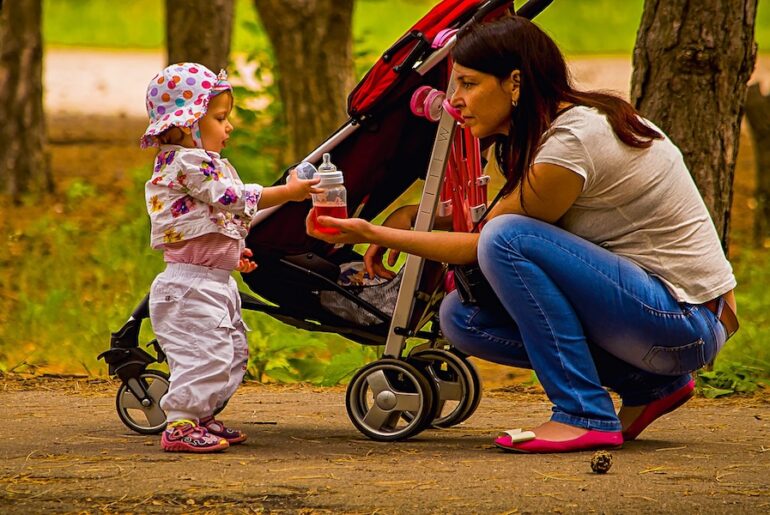
Belgian mothers are facing a mental health crisis. According to the State of Motherhood in Europe 2024 survey by Make Mothers Matter (MMM) and Kantar, Belgium reports the highest rates

Parental Mental Health Takes Centre Stage at the French National Assembly
02.04.25
Paris, France – On April 2nd, Make Mothers Matter was honoured to have key findings from its State of Motherhood in Europe 2024 report cited at the French National Assembly