Single mothers’ economic hardships put them at risk of spiraling debt
03.03.20
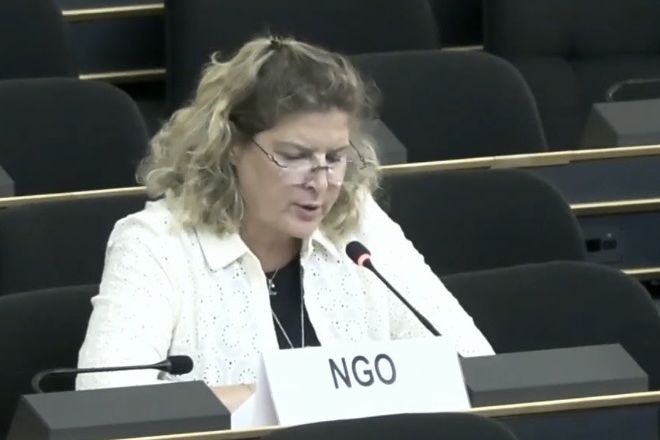
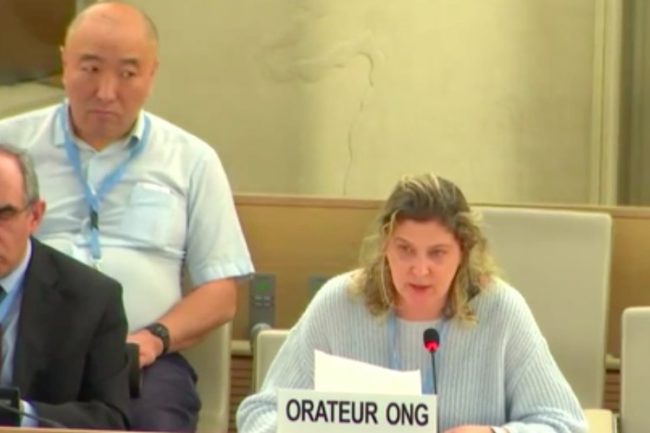
UN Geneva, Human Rights Council - MMM oral statement calls upon governments to support single mothers in their double responsibility of raising children and earning a decent living.
Single mothers’ economic hardships result in high rates of private debt. In France for example, they account for 29% of over-indebted women.
According to Oxfam, globally extreme poverty rates are 4% higher for women than men – a gender gap that rises to 22% during women’s reproductive years.
Not only do women generally earn less than men, but their inequitable share of unpaid domestic and care work constraints their time and ability to perform paid work, thus limiting their income – especially when they have young children.
For single mothers, assuming care responsibilities and earning a living can be challenging. Failing fathers and non-existent or expensive childcare further push many of them into debt.
As rightly stated in the report “for women, access to social protection (or lack thereof) and private debt are closely connected”.
We at MMM call upon governments to prioritize the wellbeing of families, especially single-mothers, and invest in adequate social protection and public infrastructure and services.
These must include full maternity protection, child and if necessary housing allowances, access to healthcare, and most importantly quality and affordable childcare.
The unpaid care work of raising and educating children must be recognized for what it is: essential WORK – that must be considered as an investment and supported.

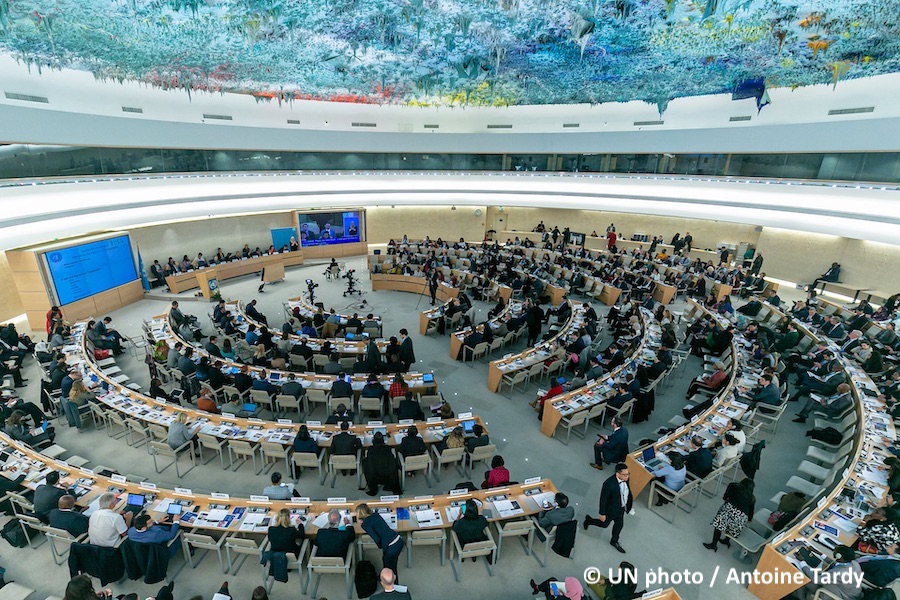
Mélanie Nédélec, MMM Representative to the UN in Geneva, delivered the statement on 2 March 2020 during the Interactive Dialog with the UN Independent Expert on the effect of Foreign Debt and Human Rights on at the 43rd session of the Human Rights Council.
 Share
Share Share
Share Print
Print Email
Email
Maternal Psychological Wellbeing: A Challenge and a Unique Opportunity
13.01.26
Wednesday 28 January 2026 | 15:15 – 17:30 GMT London School of Economics & Political Science (LSE) – Live broadcast #MaternalWellbeingLSE Maternal mental health is one of the most pressing

Climate Change: A Maternal Physical and Mental Health Emergency
13.11.25
In the lead-up to the UN climate change conference in Belem, Brazil (COP30), MMM was delighted to collaborate with Dr. Saravanan Thangarajan, a Visiting Scientist & Faculty member at Harvard
Democracy on Hold: The Hidden Penalty for Parliamentarians Who Become Mothers
27.11.25
The European Parliament adopted a legislative resolution on the amendment of the European Electoral act, allowing Members to vote in plenary by proxy voting during pregnancy and after giving birth.