Supporting families for peace building
16.05.19
UNESCO - On the occasion of the International Day of Families, MMM joined forces with other NGOs in partnership with UNESCO to reaffirm the essential role of families for social cohesion, economic development.and ultimately peace.
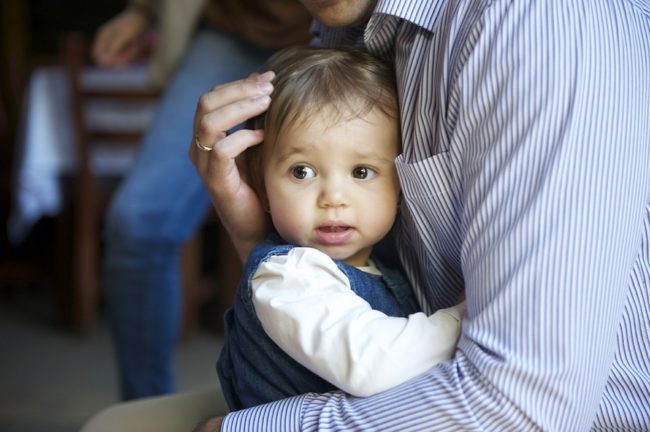
Because of their role in education, protection, health and socialization, families are the basic cells of society. The family, as a recognized institution in all sectors, strives to provide support from birth to the end of life, educating and protecting the most vulnerable.
Stability and solidarity within family units are the keys to a balanced development of the human being. This role is particularly crucial during the first three years of children’s lives, to ensure their full cognitive, emotional, physical and social development.
Still, in a context of rapidly changing societies, families, especially single-parent families, are increasingly finding themselves in vulnerable situations. They, therefore, need the support of States to protect parents and the rights of children and adolescents.
In the context of economic, environmental and social development, family-centered policies have proven effective. The success of the Sustainable Development Goals is intrinsically linked to the role of families as active agents of personal, social and cultural change.
On this basis, MMM and other NGO signatories to the statement below call on UNESCO Member States to implement policies to improve families’ access to sustainable living conditions. to avoid situations of neglect or violence, and to recognize their role in social cohesion and economic development.
The statement, prepared by MMM and a coalition of NGO partners of UNESCO, also makes a number of recommendations. It was distributed to the Member States and sent to the Director-General of UNESCO on 15 June 2019 on the occasion of International Family Day.

Read the Statement
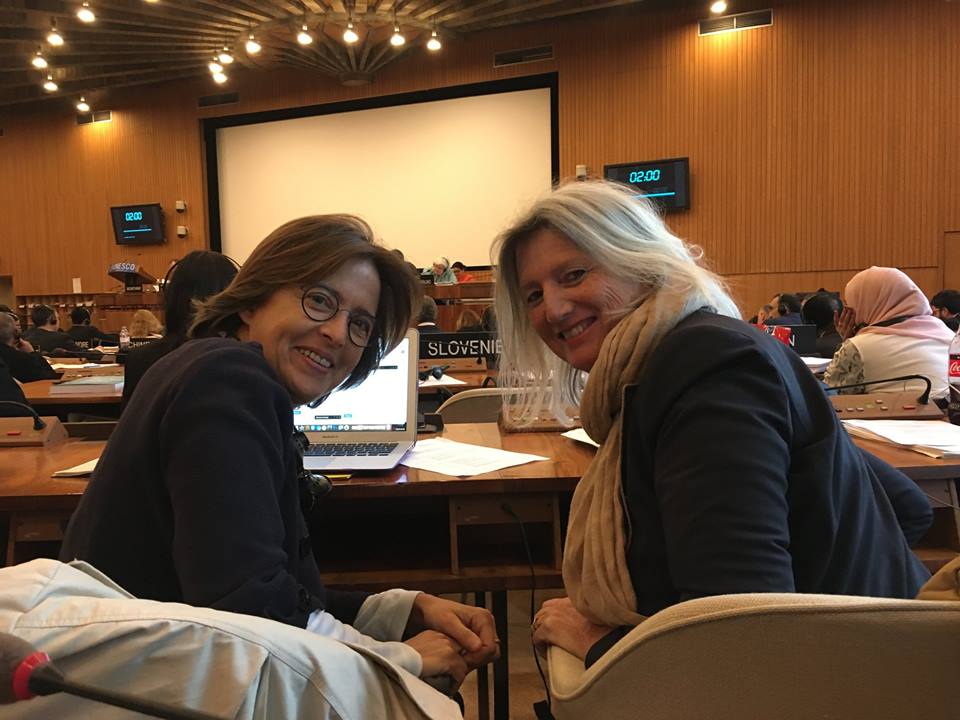
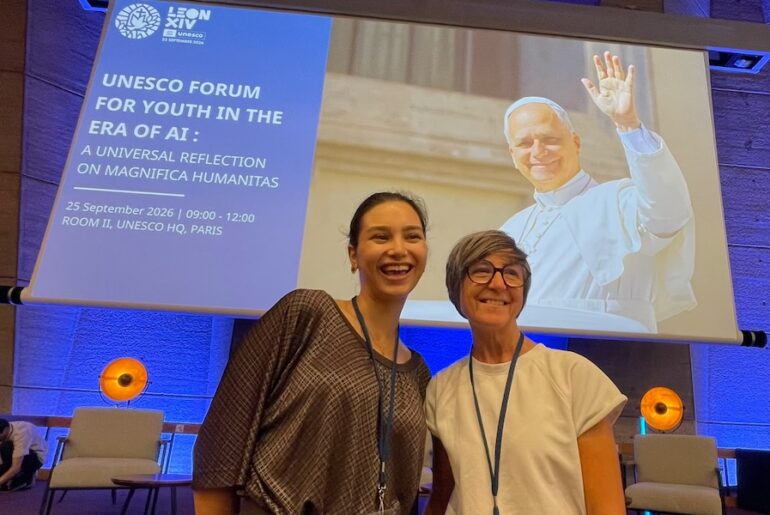
Gabrielle de Milleville, Representative of Make Mothers Matter to UNESCO, with Marie-Claude Machon, Permanent Representative of BWP International to UNESCO and President of the NGO-UNESCO Liaison Committee
 Share
Share Share
Share Print
Print Email
Email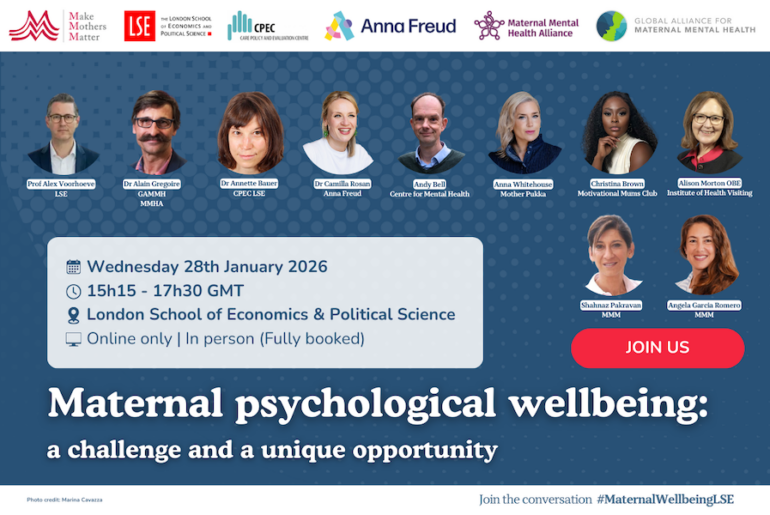
Maternal Psychological Wellbeing: A Challenge and a Unique Opportunity
13.01.26
Wednesday 28 January 2026 | 15:15 – 17:30 GMT London School of Economics & Political Science (LSE) – Live broadcast #MaternalWellbeingLSE Maternal mental health is one of the most pressing

Climate Change: A Maternal Physical and Mental Health Emergency
13.11.25
In the lead-up to the UN climate change conference in Belem, Brazil (COP30), MMM was delighted to collaborate with Dr. Saravanan Thangarajan, a Visiting Scientist & Faculty member at Harvard
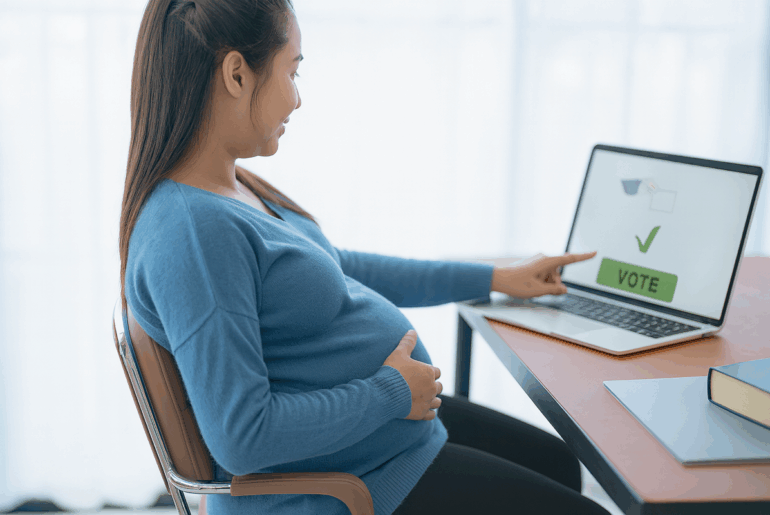
Democracy on Hold: The Hidden Penalty for Parliamentarians Who Become Mothers
27.11.25
The European Parliament adopted a legislative resolution on the amendment of the European Electoral act, allowing Members to vote in plenary by proxy voting during pregnancy and after giving birth.