Supporting Mothers with Disabilities: A Call for Enhanced Care and Resources
06.03.25
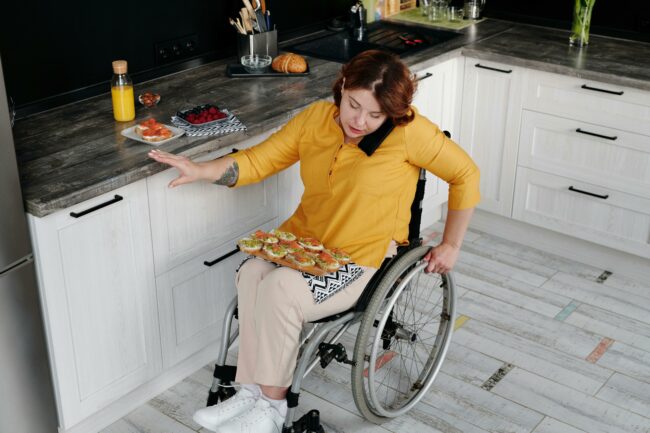
Mothers with disabilities face many challenges in a world that is physically, socially and structurally inaccessible. Their struggles often go unnoticed and underappreciated which results in vast misconceptions and prejudices regarding their capability to provide care. This leads to lack of support and poses challenges such as reduced access to healthcare facilities, deteriorating mental health and facing regular discrimination.
The following article was published as an op-ed by Johanna Schima, MMM head of advocacy at the European Union, on the European Public Health Alliance website.
At MMM we believe these inequalities are unacceptable and we are actively striving to close the gaps through research and recommendations that advocate for the rights of mothers with disabilities.

An example is our efforts via the EU funded project ASSIST (Healthcare Inclusion of Mothers with Disability) which focuses on promoting better education and awareness regarding the needs of mothers with disabilities, predominantly in healthcare settings.
This article outlines a few of the key issues mothers with disabilities are facing and suggests recommendations to tackle some of the challenges.
Key issues outlined
Maternal mental health
The societal stigma, caregiving challenges and lack of support can often result in significant mental health challenges including anxiety, stress and depression.
Unpaid care work
Unpaid care work is disproportionately carried out by women, including those with disabilities. This work, which includes both physical household chores and emotional care, can be physically demanding and mentally taxing, but often goes unrecognised and undervalued.
Access to healthcare services
Mothers with disabilities often face numerous barriers to accessing quality healthcare, including physical, informational and attitudinal obstacles. Inaccessible healthcare facilities, the absence of adaptive equipment and the lack of disability awareness among healthcare professionals further isolates these women from the healthcare system.
Discrimination and Bias
Discrimination remains a significant issue and is the main driver of many of the inequalities mothers face. Negative stereotypes and misconceptions regarding their ability to care for their children leads to discriminatory practices and attitudes.

MMM’s Recommendations
- Promote a more inclusive healthcare environment that adequately addresses the physical and mental health needs of mothers with disabilities.
- Development of an inclusive infrastructure that supports both caregivers and those they care for.
- Ensure the voices of people with disabilities and their families are promoted in policy making and decisions regarding their rights.
- Promote education regarding women with disabilities to tackle the discriminations they face.
Access our policy brief and report

 Share
Share Share
Share Print
Print Email
Email
Maternal Psychological Wellbeing: A Challenge and a Unique Opportunity
13.01.26
Wednesday 28 January 2026 | 15:15 – 17:30 GMT London School of Economics & Political Science (LSE) – Live broadcast #MaternalWellbeingLSE Maternal mental health is one of the most pressing

Climate Change: A Maternal Physical and Mental Health Emergency
13.11.25
In the lead-up to the UN climate change conference in Belem, Brazil (COP30), MMM was delighted to collaborate with Dr. Saravanan Thangarajan, a Visiting Scientist & Faculty member at Harvard
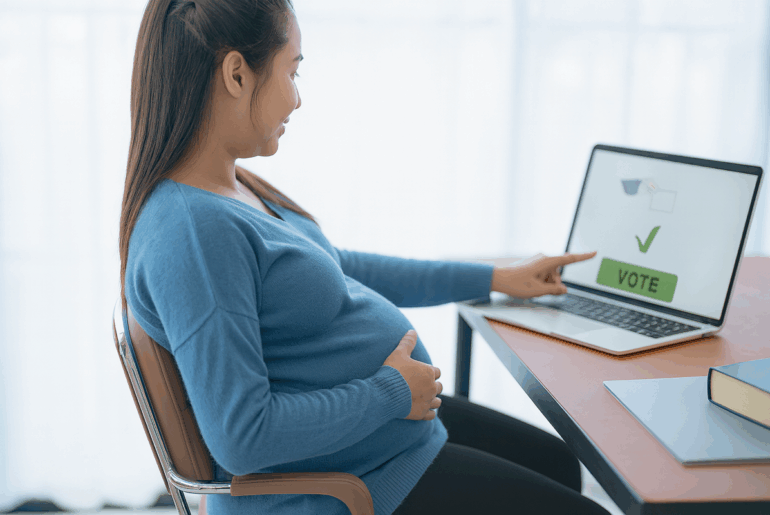
Democracy on Hold: The Hidden Penalty for Parliamentarians Who Become Mothers
27.11.25
The European Parliament adopted a legislative resolution on the amendment of the European Electoral act, allowing Members to vote in plenary by proxy voting during pregnancy and after giving birth.