Climate Change: A Maternal Physical and Mental Health Emergency
13.11.25
In the lead-up to the UN climate change conference in Belem, Brazil (COP30), MMM was delighted to collaborate with Dr. Saravanan Thangarajan, a Visiting Scientist & Faculty member at Harvard T.H. Chan School of Public Health, to develop a Policy Brief on a critical yet neglected issue in Climate discussions and financing: maternal health. Co-authored with our head of advocacy at the United Nations Valerie Bichelmeir, this Policy Brief shed light in particular on the climate change impact on maternal mental health, which is completely overlooked. It is an urgent call to integrate maternal and newborn health into climate policy and adaptation strategies.
Climate Change and Maternal Health at Risk
 Climate change is an escalating threat to maternal and newborn health. Rising temperatures, worsening air quality, food insecurity, displacement, and resource scarcity all endanger women and infants. These environmental stressors are linked to preterm birth, low birth weight, and stillbirth, and they exacerbate existing health inequities.
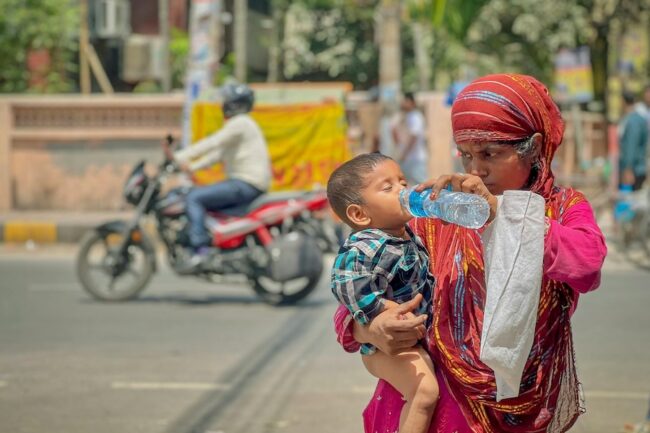
Pregnancy increases core body temperature and blood volume, making women more vulnerable to heat. Each 1°C rise during late pregnancy can raise the risk of stillbirth by up to 10%. Infants, who cannot regulate body temperature effectively, face increased risks of dehydration, respiratory distress, and death.
The Overlooked Mental Health Crisis
The impacts of climate change extend beyond the physical. Environmental stressors heighten maternal anxiety, depression, and trauma, especially in low- and middle-income countries where health systems are already strained.
Globally, 10% of pregnant women and 13% of new mothers experience a mental disorder, mostly depression rates that climb even higher in poorer regions and in the context of crises such as climate change. Severe cases can lead to suicide, while even moderate distress affects breastfeeding, caregiving, and child development.
Despite being treatable, maternal mental health remains largely absent from national adaptation plans and climate finance.
Climate Inequities and Unpaid Care
Climate change deepens gender and social inequities, particularly through its impact on unpaid care work. Women perform 76% of all unpaid care globally, and climate shocks further expand these responsibilities, requiring more time for fetching water, caring for the sick, and managing household survival.
Low-income and marginalised communities, often exposed to extreme heat, poor housing, and weak health infrastructure, bear the heaviest costs. In these contexts, caring for a newborn becomes an act of endurance under worsening environmental and economic stress.
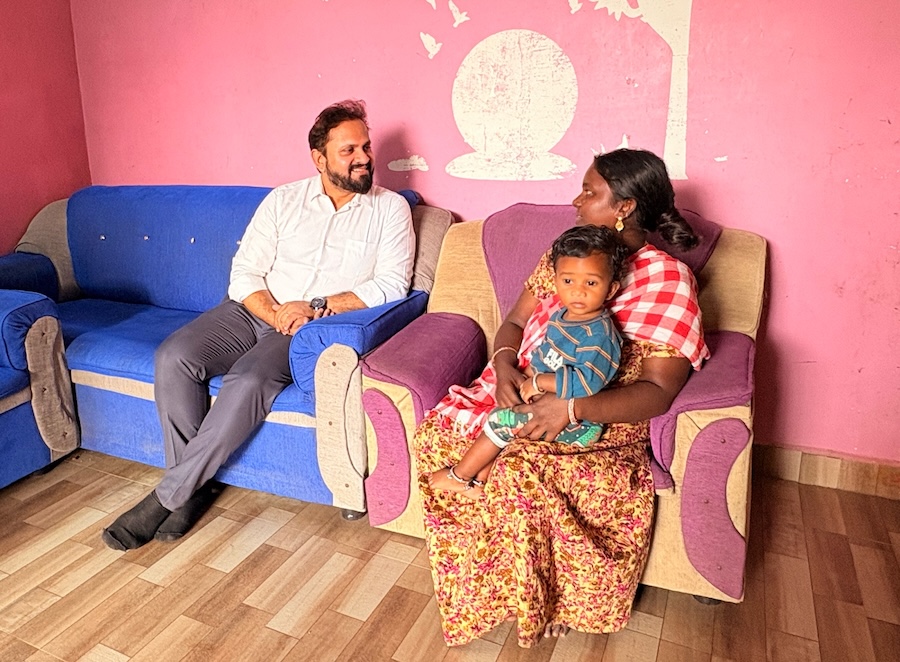
Dr. Saravanan Thangarajan in conversation with a mother in India – Photo Courtesy: Sreeaarthi Ramarao
A Call for Policy Action
Yet, less than 0.5% of multilateral climate finance currently targets health, and maternal mental health remains completely neglected. Redirecting climate finance toward maternal and child health is both an urgent moral duty and a sound economic investment.
Proven solutions already exist. From solar-powered health clinics and digital tracking in India to innovative tools like CliMent, which uses climate and behavioural data to detect maternal distress, practical models are available and scalable.
Our Call: Five Priorities for Action
- Integrate climate risks into maternal and newborn health services.
- Scale investment in maternal mental health within adaptation and emergency plans.
- Strengthen health infrastructure for climate resilience.
- Support grassroots innovations that deliver local, rapid impact.
- Redirect climate finance to health, beginning with maternal and child well-being.
Investing in Mothers Is Investing in the Future
Protecting mothers is investing in and protecting the future. Climate justice is incomplete without caregiving justice. Empowering mothers and embedding maternal health, physical and mental, into climate action and finance is not charity; it is the cornerstone of climate resilience and intergenerational well-being.

 Share
Share Share
Share Print
Print Email
Email
Maternal Psychological Wellbeing: A Challenge and a Unique Opportunity
13.01.26
Wednesday 28 January 2026 | 15:15 – 17:30 GMT London School of Economics & Political Science (LSE) – Live broadcast #MaternalWellbeingLSE Maternal mental health is one of the most pressing

Democracy on Hold: The Hidden Penalty for Parliamentarians Who Become Mothers
27.11.25
The European Parliament adopted a legislative resolution on the amendment of the European Electoral act, allowing Members to vote in plenary by proxy voting during pregnancy and after giving birth.

State of Motherhood in Europe – key findings presented at the Congress of Women in Poland
31.10.25
Katowice, September 2025 — The State of Motherhood in Europe report was officially launched in Poland during the