Latest News from MMM and its Network
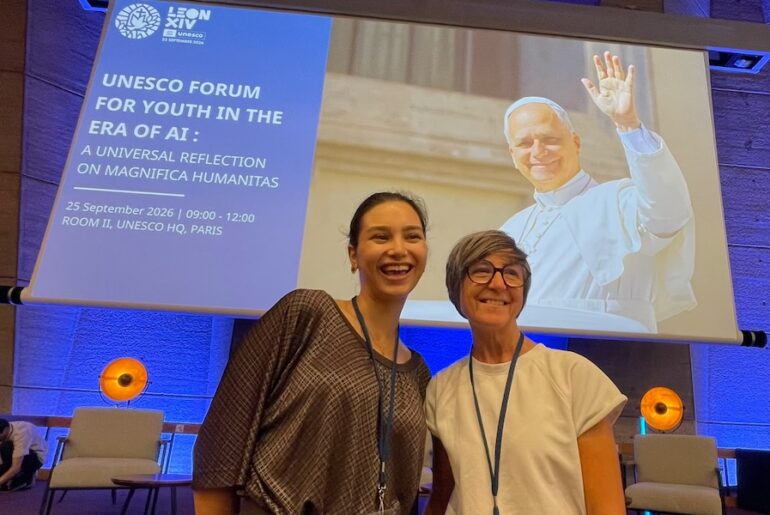
What Future Awaits Our Children in the Age of AI — and What Impact Will It Have on Parents? ?
07.10.26
UNESCO Youth Forum in the Age of AI Opens an Essential Debate On September 25, 2026, in Paris, UNESCO organized the UNESCO Youth Forum in the Age of AI – A Universal Reflection on Magnifica Humanitas. Magnifi
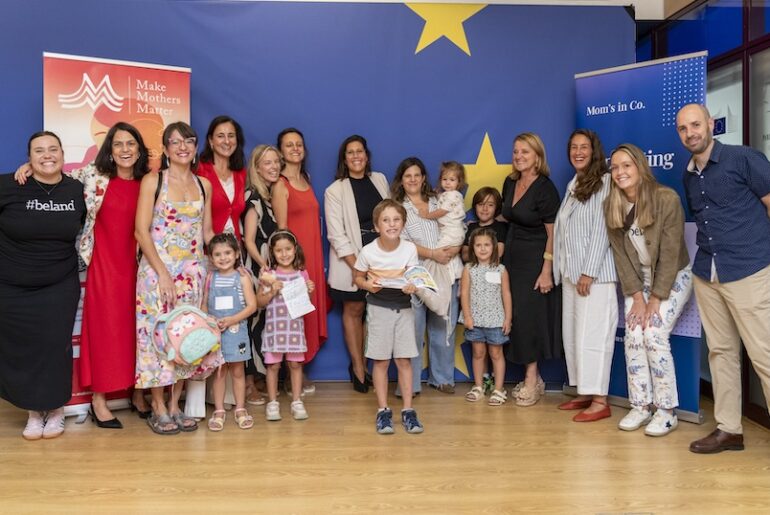
Motherhood: the forgotten challenge of equality
02.10.26
Last Monday, 21 September, a very special event took place in Madrid. For the first time at the European Parliament Office in Spain, we held an event dedicated exclusively to motherhood, entitled Motherhood: th
Opening Doors, Breaking Isolation: The Everyday Work of Gender Equality
22.09.26
For Gender Equality Week in Canada, we’re proud to amplify the work of our Network member Mothers Matter Canada, who demonstrate through this blog post written by Yusra Qadir, their chief programs and advocac
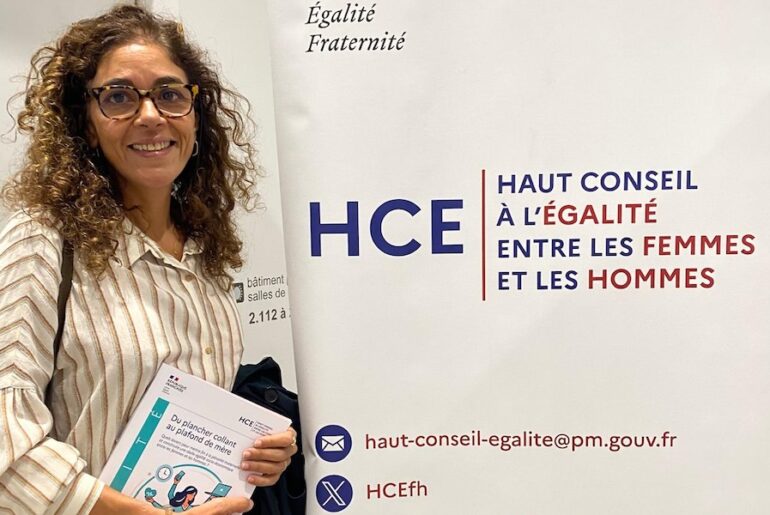
Motherhood Penalty: Care Is Not a Private Matter
17.09.26
The report published on 9 September by France’s High Council for Equality between Women and Men (HCE),
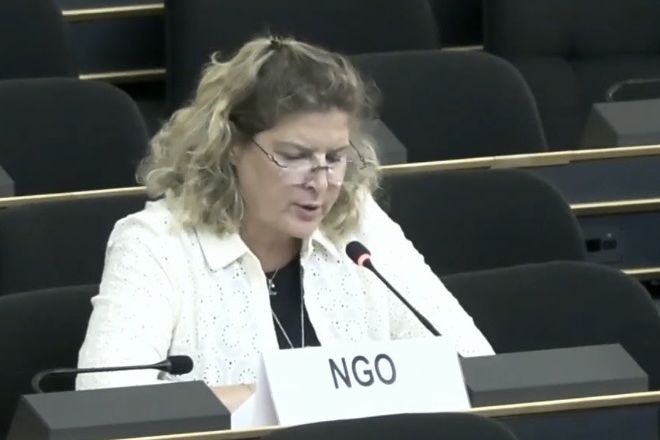
Right to Education: Putting mothers and families at the heart of the UN process
08.09.26
UN Geneva — Make Mothers Matter (MMM) took part in the second session of the UN Open-ended Intergovernmental Working Group examining a new Optional Protocol to the Convention on the Rights of the Child (CRC),
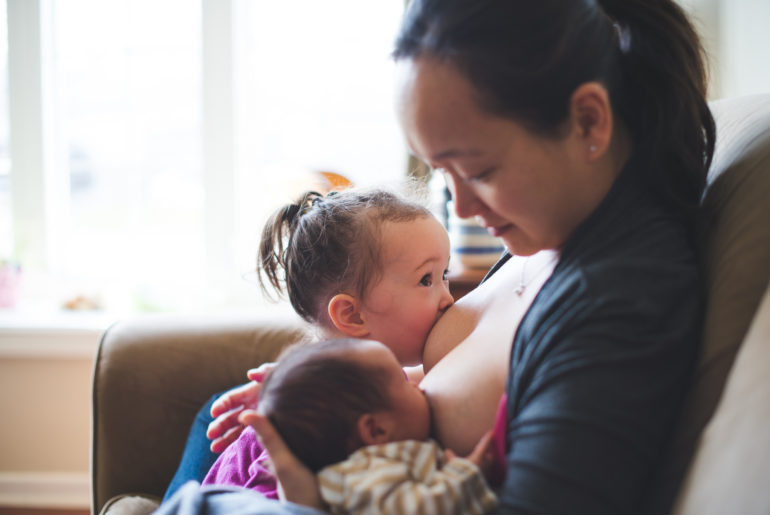
Beyond Breastfeeding: Recognising Mothers as Society’s First Builders
02.08.26
To mark World Breastfeeding Week, we are delighted to share this contribution from Dr. Farahdibha Tenrilemba, guest writer for Make Mothers Matter and Vice President of KOWANI, Indonesia’s oldest national wom