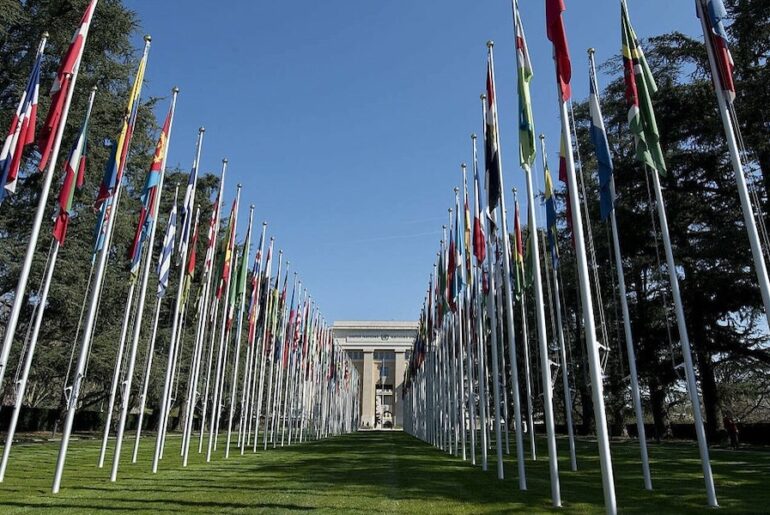
The transformative power of mothers for sustainable peace
02.03.18
UN Geneva, 37th Session of the Human Rights Council - MMM submitted a written statement to highlight the transformative power of mothers for the prevention of conflicts, and sustainable peace - If only they are educated, including on parenting skills, and adequately supported.


MMM written Statement for the 37th Session of the Human Rights Council
Extracts:
Peace is not merely the absence of violence or conflict at the national and/or international levels. It may take different forms and begins at a much smaller scale: peace with oneself and peace of mind at an individual level; harmonious and balanced relationships within a family; social cohesion and solidarity at the community level.
The educational role of parents, in particular, that of mothers, is crucial, including as role models. It is within a family that one’s emotional balance is built, where fundamental values are transmitted and upon which human beings construct themselves.
It is also within the family that a child first experiences and learns the meaning of safety or distress, the joys and challenges of living in a community, and the violent or peaceful management of conflicts.
A child’s early years are especially crucial and early childhood development has an important potential for the promotion of peace. An increasing amount of research stresses how safety, responsive caregiving and emotional ties within a family are equally essential for the physical, emotional, social and intellectual development of a child, beginning as early as during pregnancy.
Peace emanates from equal opportunities with a role for each one of us in a society: social injustice is one of the main triggers of social unrest and violence. Allowing children to grow up in a healthy and loving family without violence will allow them to reach their full potential, and to find their role in society. Early childhood development and care has the potential to break the intergenerational cycle of poverty and is the foundation for a long-lasting peace.
Mothers also have the ability to gather and mobilize other mothers, to build bridges across social classes, race, and ethnicity: they all share the same concerns and desire of a better future for their children, beginning with peace.
Empowering mothers can have wide-ranging positive impacts, cutting across many Sustainable Development Goals. It means investing in children and families, but the potential returns are high.
Mothers must be recognized as change makers, who can be instrumental in the realization of the 2030 development agenda and sustainable peace – if only they are adequately educated and supported in their different roles as caregivers, head of household, food producers, decision makers, economic agent, citizen, etc.
 Share
Share Share
Share Print
Print Email
Email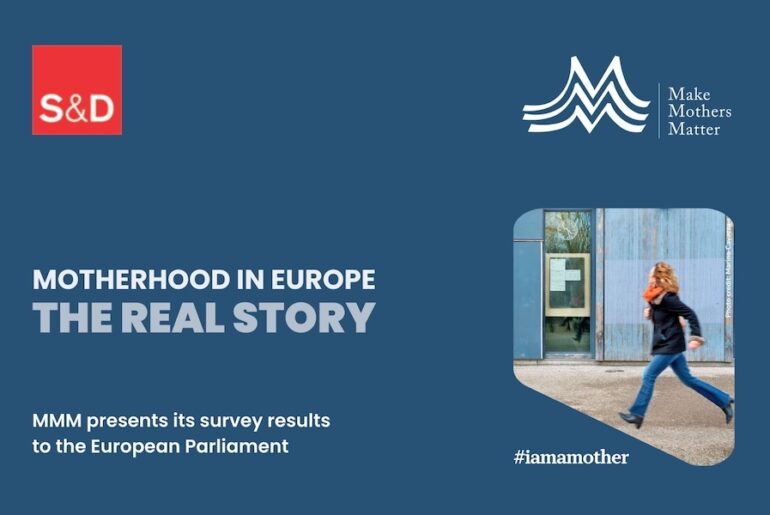
Europe Must Listen to Mothers: Our landmark report heads to the European Parliament
28.08.25
On 22 September 2025, the voices of mothers will take centre stage in Brussels. For the first time, Make Mothers Matter (MMM) will present its State of Motherhood in Europe
Belgian Mothers Face Alarming Rates of Burnout and Perinatal Depression, New EU Survey Finds
03.07.25
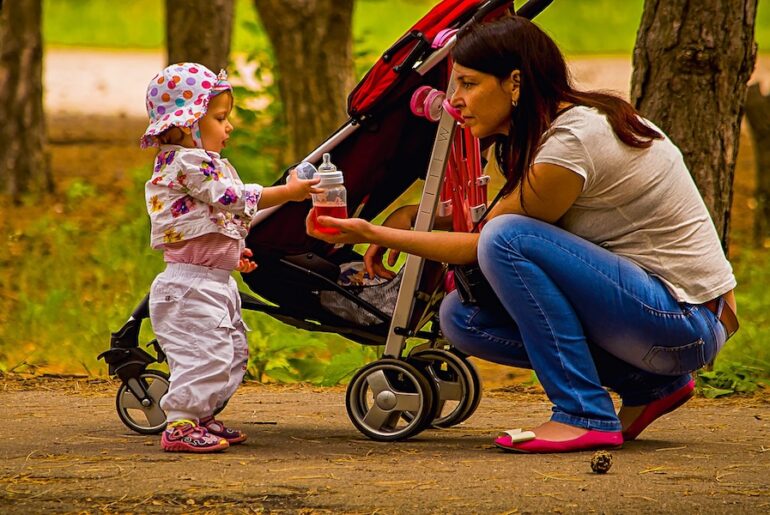
Belgian mothers are facing a mental health crisis. According to the State of Motherhood in Europe 2024 survey by Make Mothers Matter (MMM) and Kantar, Belgium reports the highest rates
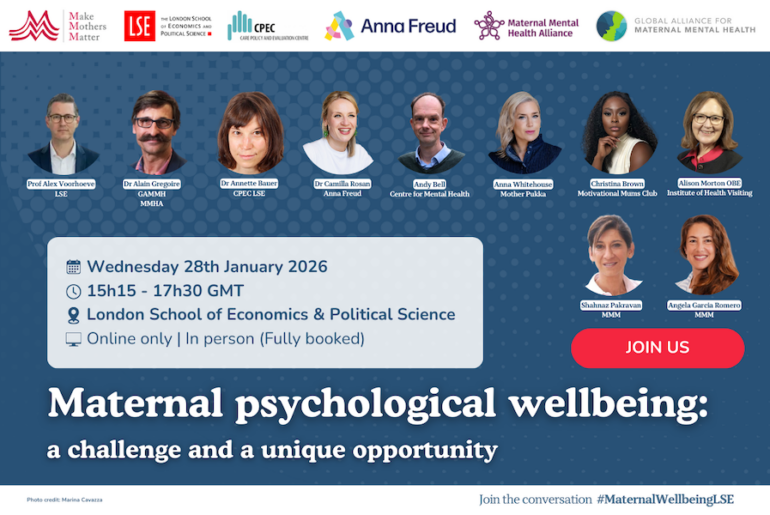
Maternal Psychological Wellbeing: A Challenge and a Unique Opportunity
13.01.26
Wednesday 28 January 2026 | 15:15 – 17:30 GMT London School of Economics & Political Science (LSE) – Live broadcast #MaternalWellbeingLSE Maternal mental health is one of the most pressing