Giving a voice to widowed mothers in Burkina Fasso
30.06.26
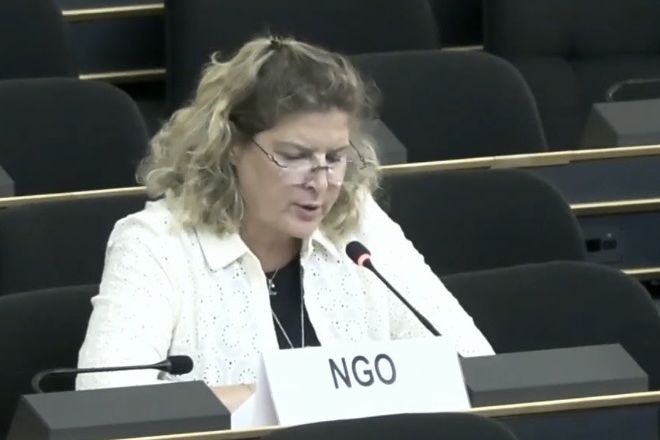
By Valerie Bichelmeier, MMM Head of Advocacy at the UN
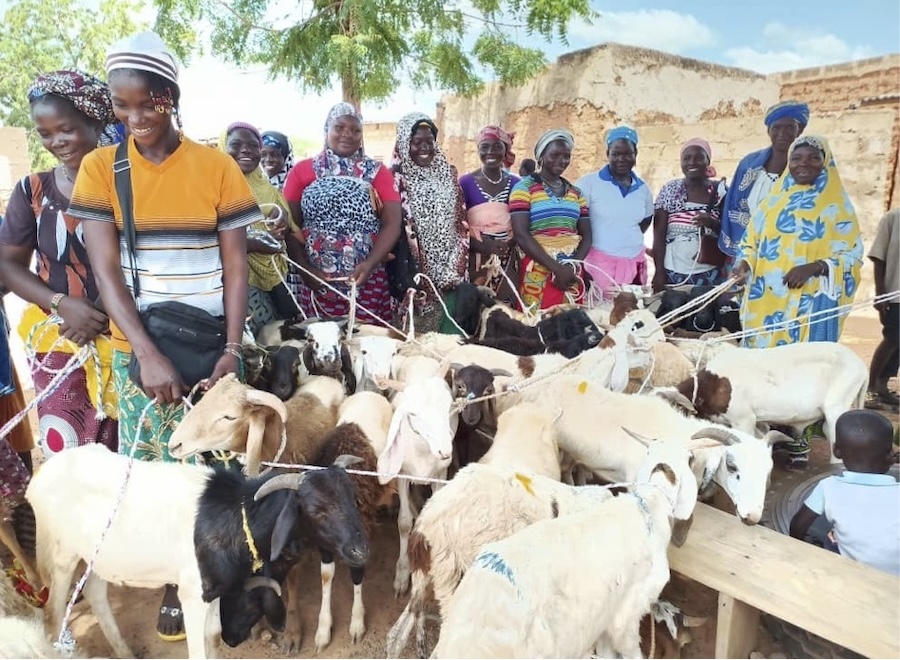
UN Geneva – Speaking at an event organized by Widows Rights International, on the margins of the 62nd session of the Human Rights Council, MMM highlighted the work of its member organization, the Association des Sœurs Augustines in Burkina Faso. The association supports mothers who have been widowed amid years of violence and displacement, helping them rebuild their lives with dignity and hope.
It is a forgotten crisis that rarely makes headlines. Since 2015, terrorist attacks in northern Burkina Faso have displaced nearly two million people. Many have sought refuge in Kaya, a city in the north-central part of the country, where the Association des Sœurs Augustines has been supporting internally displaced families since 2020.
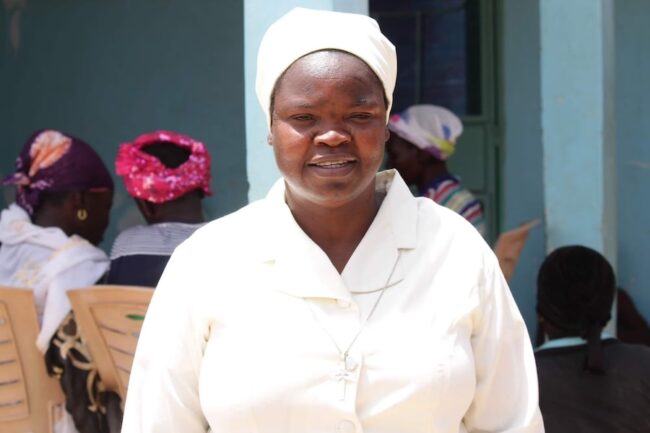
To prepare for the event, I spoke with Sister Marie-Louise Sawadogo, who leads the Association’s work. She explained that women and children make up the vast majority of those displaced by the violence. Many women have lost their husbands in attacks or after men enlisted to defend their communities. Although no official figures exist, she says the number of widows, who are often young mothers or mothers-to-be, has risen dramatically over the past decade.
Widowhood is already devastating. Combined with displacement, it often means losing a home, farmland, livelihoods and community support. Many women find themselves living in makeshift shelters or overcrowded camps, where they are especially vulnerable to poverty, violence and exploitation.
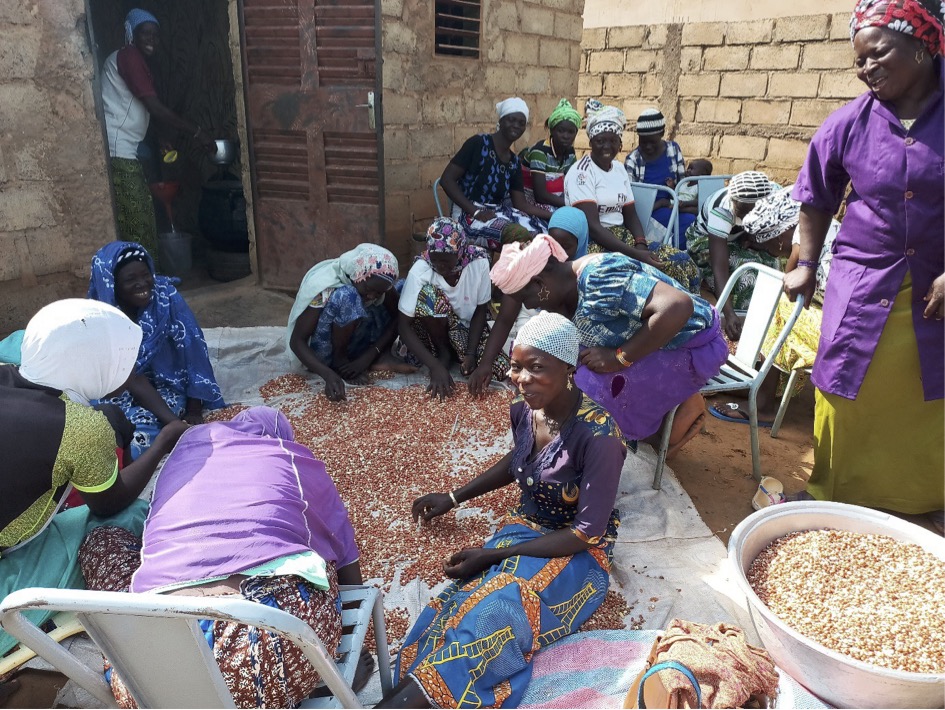
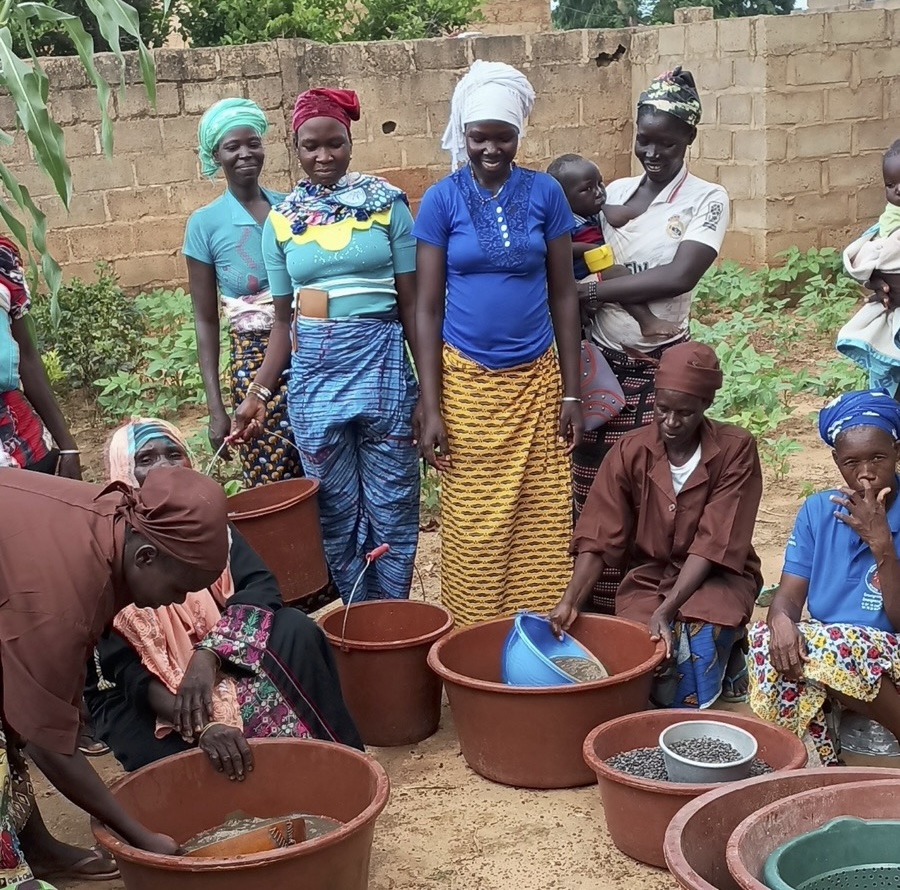
The Association supports widows and their children in two main ways: by ensuring children can continue their education and by helping women become economically self-sufficient through literacy training. vocational skills and income-generating activities. Women receive training in activities such as processing peanuts into oil and flour, producing mustard from Néré seeds, and sewing, with the Association providing the equipment they need to start earning an income.
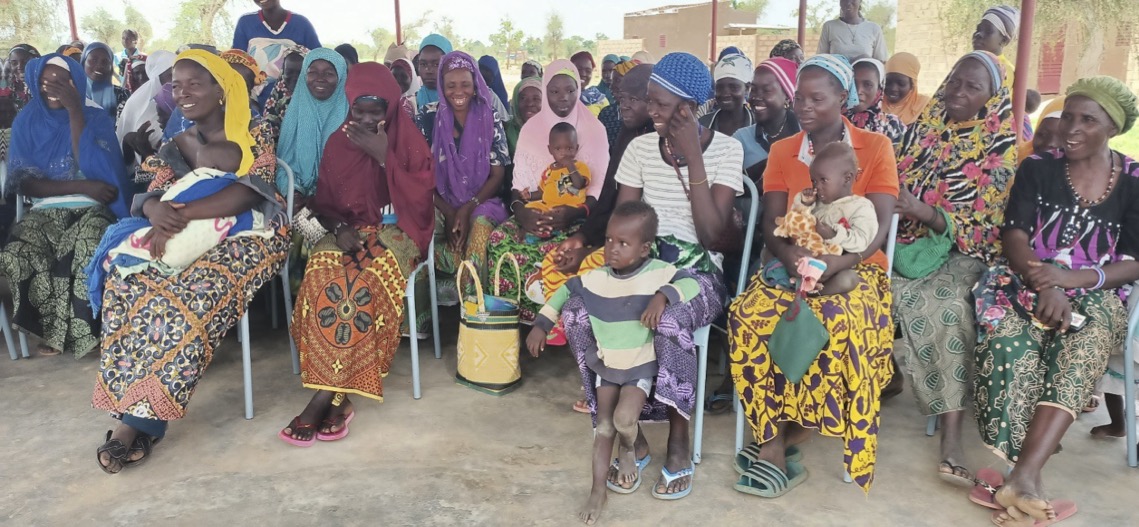
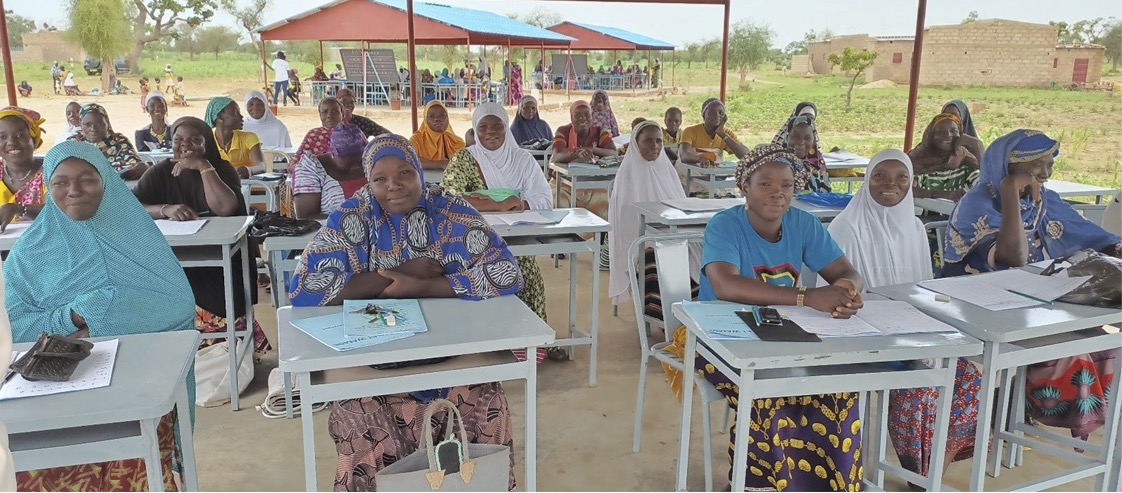
Although the challenges remain immense, these programmes help women support their families, regain their confidence and restore their dignity. They also demonstrate that women are resilient, resourceful and capable of driving their communitie’s development when given the opportunity.
According to Sister Marie-Louise, these efforts are also contributing to wider social change. The government of Burkina Faso has adopted policies to promote the economic empowerment of women and girls, recognising their contribution to the country’s development.
Although many widows continue to face discrimination, particularly in relation to inheritance, women now have greater legal rights to own property and land than in the past. More women are also taking on leadership roles, including within government.
Sister Marie-Louise has also witnessed changing attitudes within society. Increasing numbers of women are choosing to live independently, challenging traditional expectations and demonstrating that they can provide for their families on their own.
I do not claim to be an expert on Burkina Faso, a country facing a complex crisis driven not only by terrorist violence but also by community conflict and transnational crime. I have simply shared Sister Marie-Louise’s perspective on the changes she is witnessing through her work in Kaya.
Amid immense human suffering – where too many men have been killed, too many women have been widowed, and too many children have been orphaned – Sister Marie-Louise nevertheless sees reasons for hope. Women are increasingly recognised as capable leaders and contributors to development. Government policies are beginning to support their economic empowerment, and attitudes towards women’s roles are slowly evolving.
These are only small rays of light amid a profound humanitarian crisis. Yet as women gain greater opportunities to support themselves and their families, they may also be better placed to contribute to building more peaceful and resilient communities.
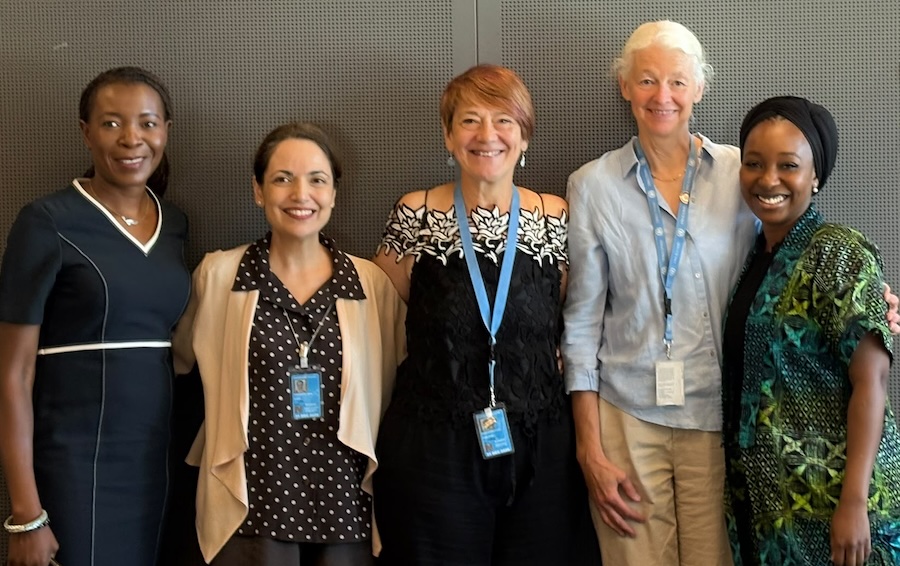
Valerie Bichelmeier and fellow panelists with Zarin Hainsworth, Representative of Widows Rights International and organiser of the side-event
The stories shared by other panelists from the Democratic Republic of the Congo and Nigeria echoed many of the same concerns.
Across the world, conflict is creating a largely invisible humanitarian crisis for widows. Millions of women have lost their husbands or are living with the uncertainty of missing partners. Many must navigate grief while facing discrimination, economic insecurity, and harmful traditional practices linked to their marital status.
Their voices deserve to be heard. Their rights must be protected. And their resilience should be recognised – not only because they are survivors, but because they are essential partners in building more just, inclusive and peaceful societies.
 Share
Share Share
Share Print
Print Email
Email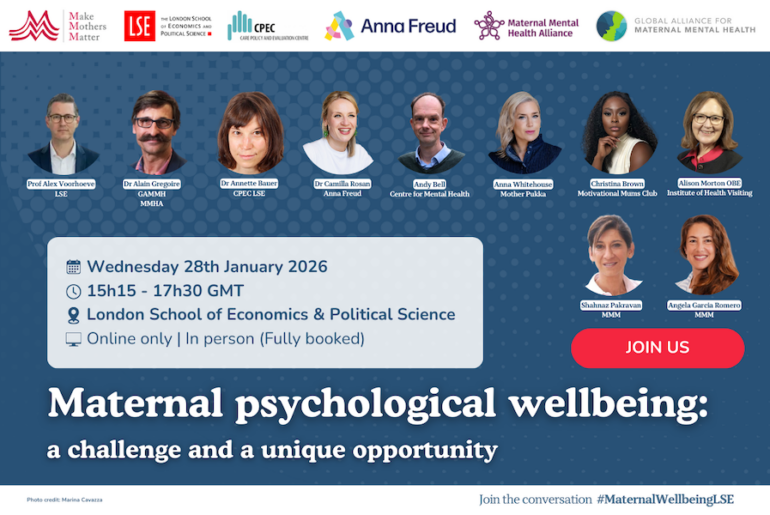
Maternal Psychological Wellbeing: A Challenge and a Unique Opportunity
13.01.26
Wednesday 28 January 2026 | 15:15 – 17:30 GMT London School of Economics & Political Science (LSE) – Live broadcast #MaternalWellbeingLSE Maternal mental health is one of the most pressing

Climate Change: A Maternal Physical and Mental Health Emergency
13.11.25
In the lead-up to the UN climate change conference in Belem, Brazil (COP30), MMM was delighted to collaborate with Dr. Saravanan Thangarajan, a Visiting Scientist & Faculty member at Harvard
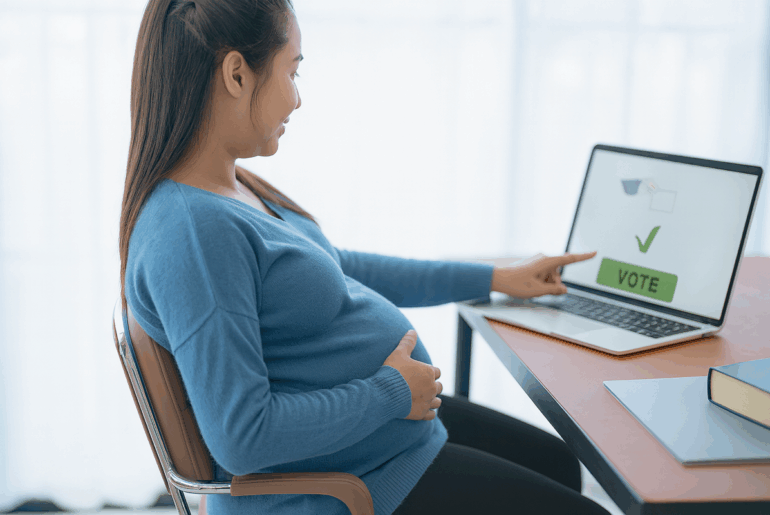
Democracy on Hold: The Hidden Penalty for Parliamentarians Who Become Mothers
27.11.25
The European Parliament adopted a legislative resolution on the amendment of the European Electoral act, allowing Members to vote in plenary by proxy voting during pregnancy and after giving birth.