Empowering Families and Advancing the Self-Determination of Persons with Disabilities
15.11.25
With this Declaration, MMM and its partners call on the European Union and its Member States to take decisive action to empower families and uphold the self-determination of persons with disabilities.
Across Europe, many persons with disabilities continue to face significant barriers in exercising their fundamental rights — particularly the right to make decisions about their own lives: where and with whom they live, who supports them, and how they participate in their communities. These rights are closely linked to those of their families and informal carers, who play a central role in enabling autonomy and inclusion.
Yet national support systems remain fragmented, under-resourced, and uneven both across and within countries. When these systems fail to meet people’s needs, families — most often women — are left to fill the gaps. They provide essential daily support, frequently without adequate recognition, financial security, or respite. This unpaid and undervalued work often comes at the expense of their employment opportunities, social participation, and physical and mental health.
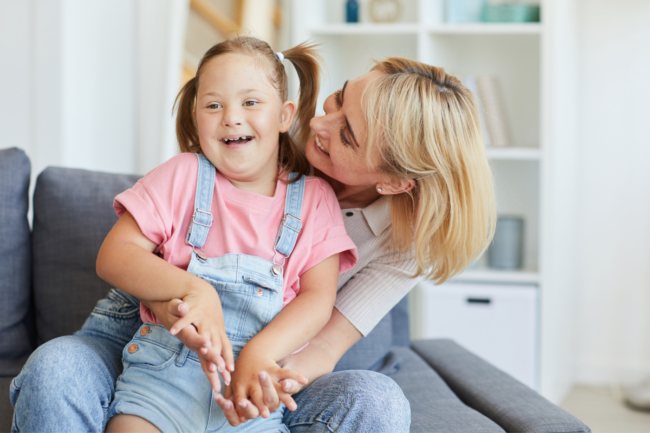
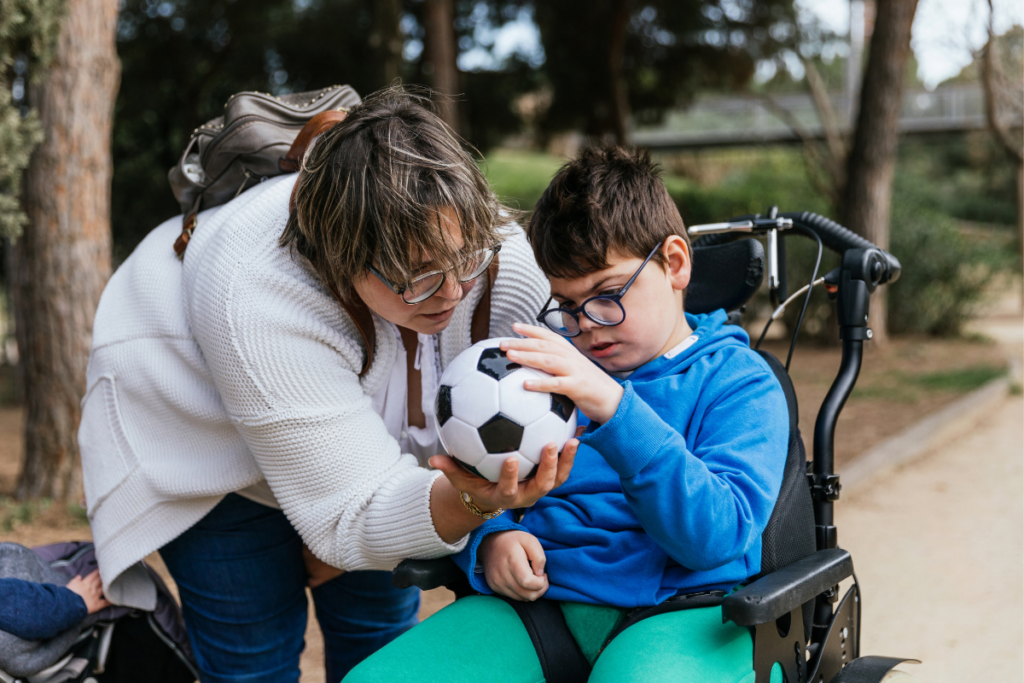 This pressure is particularly acute for many mothers who care for a child or family member with disabilities, a responsibility that significantly intensifies their daily workload and emotional strain. As these demands grow, balancing personal aspirations, professional commitments, and family responsibilities becomes increasingly difficult, leaving many stretched far beyond their available time, resources, and energy. In some cases, it is the mothers themselves who live with disabilities and who therefore confront an even more complex set of barriers, including discrimination, judgment, and a persistent lack of adequate support. Whether providing care or seeking it, they face overlapping challenges that make the pursuit of full inclusion particularly difficult.
 We call on the EU and national governments to demonstrate a strong commitment to ensuring that persons with disabilities and their families have the resources, support, and opportunities they need to lead fulfilling lives grounded in dignity, inclusion, and genuine choice.
Access the Declaration and our full list of demands here.
For more information on the specific challenges faced by Mothers with Disabilities, access our policy paper here
 Share
Share Share
Share Print
Print Email
Email
Maternal Psychological Wellbeing: A Challenge and a Unique Opportunity
13.01.26
Wednesday 28 January 2026 | 15:15 – 17:30 GMT London School of Economics & Political Science (LSE) – Live broadcast #MaternalWellbeingLSE Maternal mental health is one of the most pressing

Climate Change: A Maternal Physical and Mental Health Emergency
13.11.25
In the lead-up to the UN climate change conference in Belem, Brazil (COP30), MMM was delighted to collaborate with Dr. Saravanan Thangarajan, a Visiting Scientist & Faculty member at Harvard
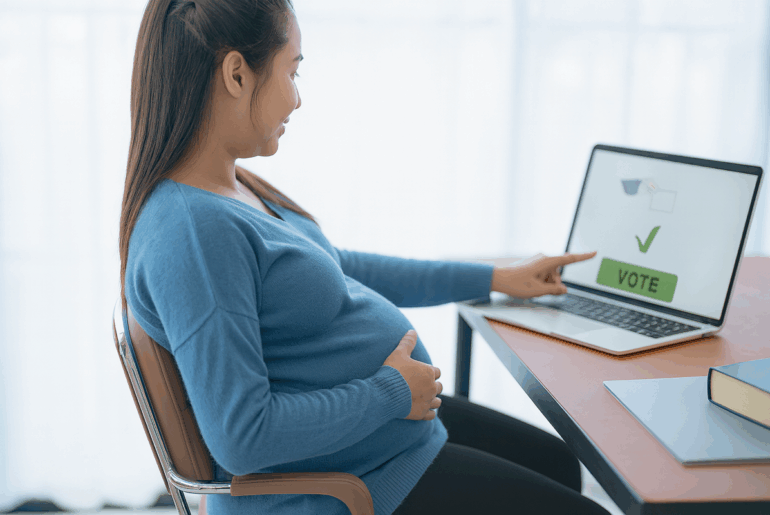
Democracy on Hold: The Hidden Penalty for Parliamentarians Who Become Mothers
27.11.25
The European Parliament adopted a legislative resolution on the amendment of the European Electoral act, allowing Members to vote in plenary by proxy voting during pregnancy and after giving birth.