Investing in ECD a powerful and cost-effective strategy for building peaceful societies
03.07.20
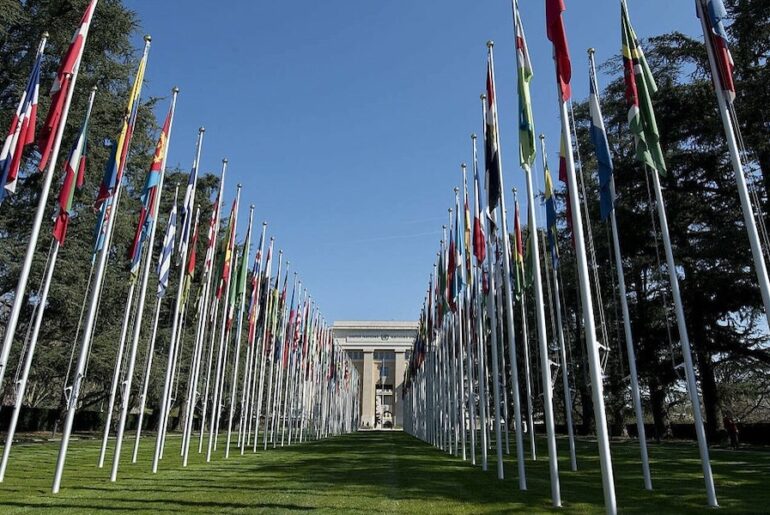
UN Geneva, Human Rights Council - At the discussion on violence against children MMM also reasserted the importance of supporting parents in caregivers, especially during the critical early years.
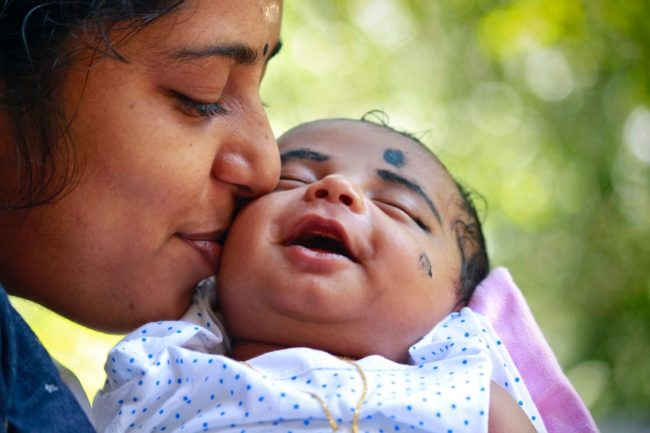
The 2020 HRC report of Special Representative of the Secretary General on Violence against Children focusses on the impact that violence has on children’s mental health and provides an overview of major initiatives and developments to sustain and scale up efforts to safeguard children’s freedom from violence.
MMM fully supports one of the SR’s key message: Investing in Early Childhood Development is indeed a powerful and cost-effective strategy for reducing intergenerational violence, poverty and exclusion and for building peaceful societies.
As rightly stated in the report, “The most important protective resource to enable a child to cope with exposure to violence is a strong relationship with a competent, caring, positive adult, most often a parent. With the support of good parenting […], a child’s cognitive and social development can proceed positively, even in adversity.”
Indeed, a child’s socio-economic environment and their mother’s mental health are key. In addition to mental disorders such as post-partum depression, the stress experienced by many parents, seriously undermines their ability to provide the nurturing care which is so important for a child to achieve their developmental potential.
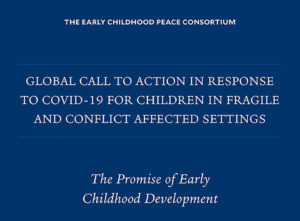 We at MMM would like to relay to the Council the call for action of the Early Childhood Peace Consortium.
Issued in the context of the Covid-19 crisis, it emphasises that Early Childhood Development strategies and services are now more important than ever to mitigate the immediate and long-term impact of the multiple crisis on the most vulnerable young children and families.
We are calling governments, policy makers and community leaders to safeguard the increasingly undermined rights of young children, and to prioritize investment in their survival, development and protection – also by supporting their parents and caregivers.

Full MMM Statement for download
Mélanie Nédélec, a representative of MMM at the UN in Geneva, delivered this oral statement at as part of the discussion that followed the presentation of the report of the UN Special Representative of the UN SG on violence against children – a report submitted to the Human Rights Council’s 43rd session whose consideration had been postponed to the 44th session.
 Share
Share Share
Share Print
Print Email
Email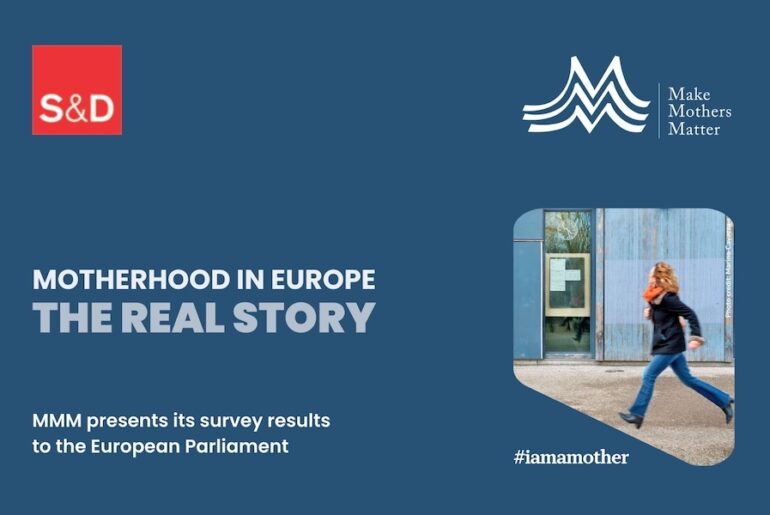
Europe Must Listen to Mothers: Our landmark report heads to the European Parliament
28.08.25
On 22 September 2025, the voices of mothers will take centre stage in Brussels. For the first time, Make Mothers Matter (MMM) will present its State of Motherhood in Europe
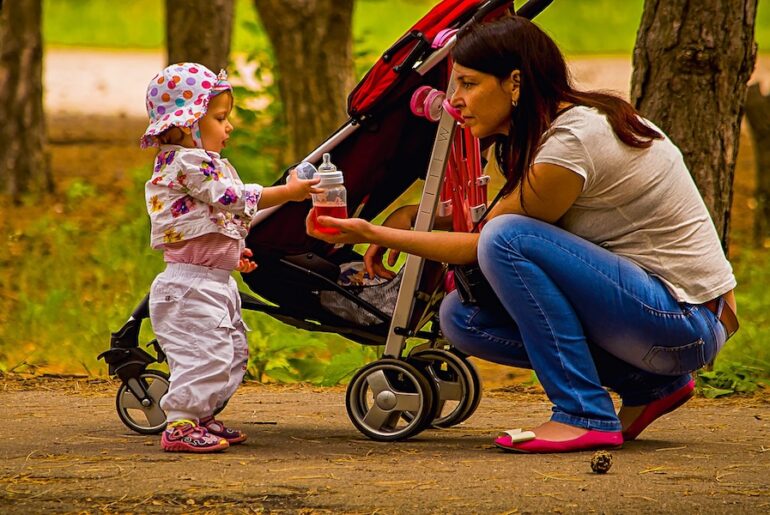
Belgian Mothers Face Alarming Rates of Burnout and Perinatal Depression, New EU Survey Finds
03.07.25
Belgian mothers are facing a mental health crisis. According to the State of Motherhood in Europe 2024 survey by Make Mothers Matter (MMM) and Kantar, Belgium reports the highest rates

Parental Mental Health Takes Centre Stage at the French National Assembly
02.04.25
Paris, France – On April 2nd, Make Mothers Matter was honoured to have key findings from its State of Motherhood in Europe 2024 report cited at the French National Assembly