MMM supports strengthening the right to education
08.09.25
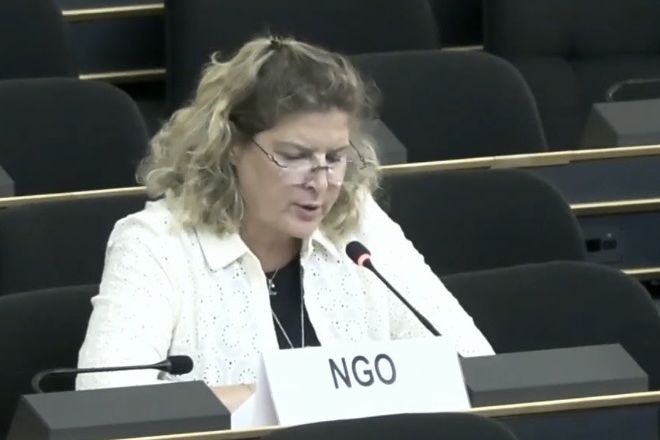
UN Geneva – MMM actively took part in the first session of the UN Human Rights Council’s working group, which is exploring the possibility of drafting an optional protocol to the Convention on the Rights of the Child to extend the right to education to early childhood education, free pre-primary education, and free secondary education. We expressed our full support for such a protocol, which would not only help guarantee girls’ access to a complete course of formal education but also promote early childhood development and mothers’ economic empowerment.
No consensus for a fourth Optional Protocol (4th OP)
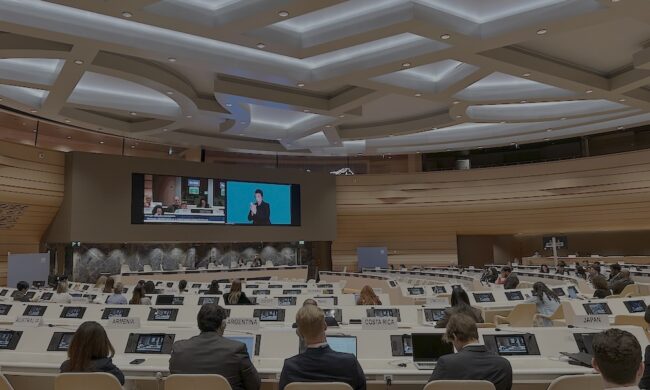
The 3 days of the session began with a general debate where UN Member States, UN entities, National Human Rights institutions and NGOs expressed their views on the principle of having a 4th OP to the UN Convention on the rights of the child, and on what it could look like. While a majority of governments support this process, others question the need for a new OP and if it is the best way forward, or voiced concerns such as resource constraints. Only a handful of countries clearly expressed their opposition to the process, including Argentina, Belgium, Eritrea, and the UK.
From the outset, MMM has been involved in the process, which was initiated by Human Rights Watch and Child Rights Connect, a network of child rights organisations of which MMM is a member.
We reasserted our support during the general debate, by sharing four key considerations:
- A 4th Protocol could not only acknowledge the central role and responsibility of parents in their children’s educational journey but also recognise the disparities in their ability to be actively involved. This would help Member States create policies and legal frameworks that support families in all their diversity, and actively engage all parents as key partners in education
- Investing in pre-primary education yields high economic and social returns—a fact that a 4th Protocol can help promote
- A 4th protocol is the opportunity to explicitly recognise and address the multiple and intersecting barriers that too many girls still face in accessing education
- The 4th Protocol would also bridge the gap between education and care—two fundamental aspects of human development
Strengthening the right to education is essential to combating poverty, reducing inequality–including gender inequality, as well as fostering democratic participation, sustainable development and peace. It is vital for building a better future for all.
📄 Read MMM full statement for the General Debate
Early Childhood Care and Education (ECCE) must be part of children’s right to education. It is also key to empower mothers
The session also included panels, where experts discussed the pros and cons of a 4th OP in relation to different topics. These panels offered the opportunity to connect the 4th OP to issues which are very relevant to mothers: ECCE, girls’ education and the inequitable distribution of unpaid domestic and care work.
Recognising that children’s rights and mothers’ rights are linked means adopting a holistic vision. By valuing and investing in ECCE, Member States can both realise children’s rights and rebalance women’s disproportionate and unfair share of unpaid care work and responsibilities.
For us at Make Mothers Matter, the message is clear: advancing free pre-primary and secondary education is inseparable from recognising and supporting care. It is a matter of social and economic justice, of equality, and of ensuring that both mothers and daughters can realise their full potential as rights-holders and as contributors to society.
📄 Read MMM full statement for the Panel on the Recognition of ECCE as part of the right to education
📄 Read MMM’s full statement for the Panel on Girls’ access to secondary education and the empowerment of girls and women through the provision of free pre-primary education
The Open-Ended Intergovernmental Working Group on an optional protocol to the Convention on the Rights of the Child on the rights to early childhood education, free pre-primary education and free secondary education was established in 2024 by the Human Rights Council. Its mandate is to explore the possibility of elaborating a draft optional protocol to the Convention on the Rights of the Child with the aim to:
- Explicitly recognize that the right to education includes early childhood care and education
- Explicitly state that, with a view to achieving the right to education, States shall make public pre-primary education available free to all, beginning with at least one year, and make public secondary education available free to all
- Recall that States shall promote and encourage international cooperation in matters relating to education
- Consider a provision that would allow for States parties to the Convention on the Rights of the Child to incorporate all reporting on their obligations under the optional protocol into their reports submitted under article 44 of the Convention, eliminating the need for an initial or other separate reports.
The first session took place 1-3 September in the Palais des Nations in Geneva.
See also:
→ Our June 2024 article MMM teams push for strengthening the right to education
 Share
Share Share
Share Print
Print Email
Email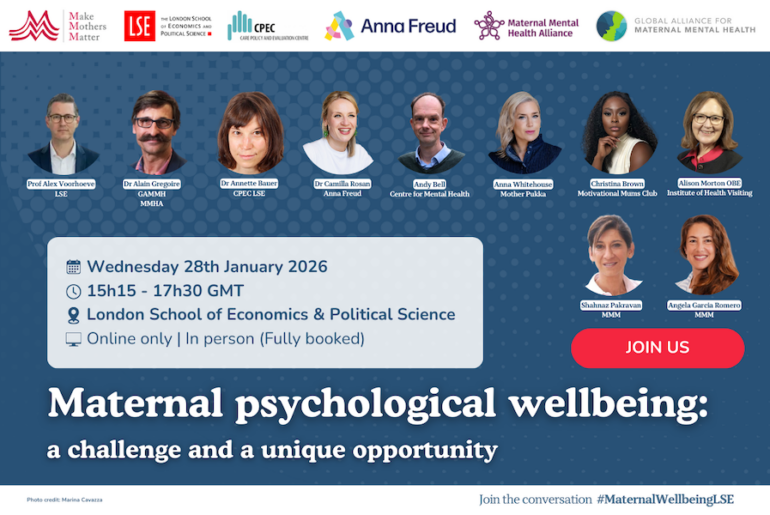
Maternal Psychological Wellbeing: A Challenge and a Unique Opportunity
13.01.26
Wednesday 28 January 2026 | 15:15 – 17:30 GMT London School of Economics & Political Science (LSE) – Live broadcast #MaternalWellbeingLSE Maternal mental health is one of the most pressing

Climate Change: A Maternal Physical and Mental Health Emergency
13.11.25
In the lead-up to the UN climate change conference in Belem, Brazil (COP30), MMM was delighted to collaborate with Dr. Saravanan Thangarajan, a Visiting Scientist & Faculty member at Harvard
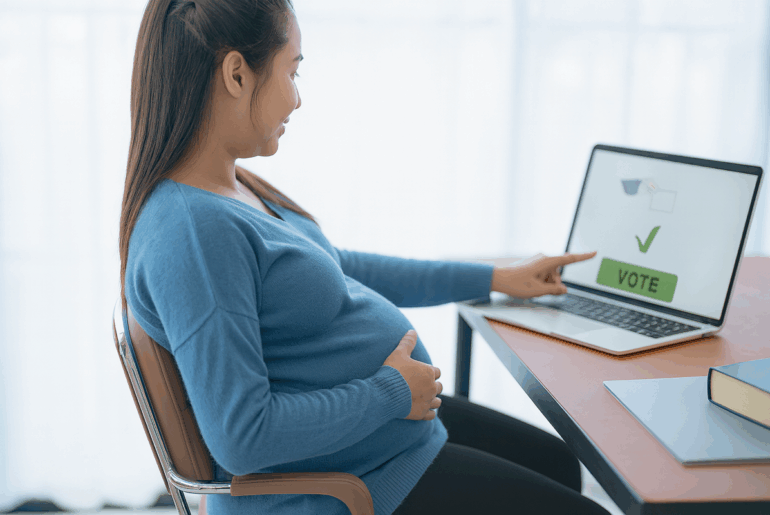
Democracy on Hold: The Hidden Penalty for Parliamentarians Who Become Mothers
27.11.25
The European Parliament adopted a legislative resolution on the amendment of the European Electoral act, allowing Members to vote in plenary by proxy voting during pregnancy and after giving birth.