Mother’s health and socio-economic circumstances greatly impact child development
06.03.20
UN Geneva, Human Rights Council - MMM drew attention to the impact that a mother’s own mental health and socio-economic status, including her level of education, can have on her children's mental health and their future.
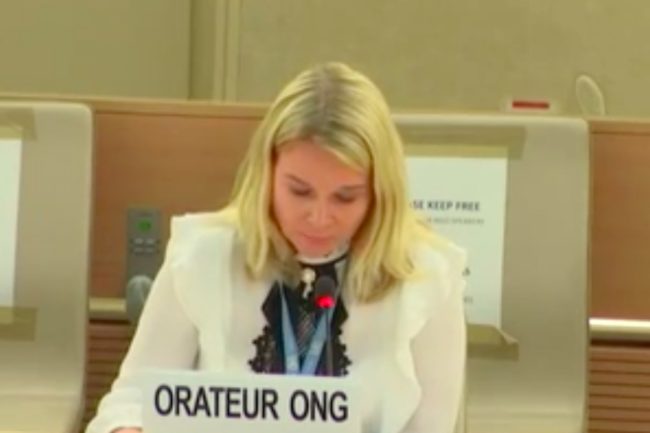
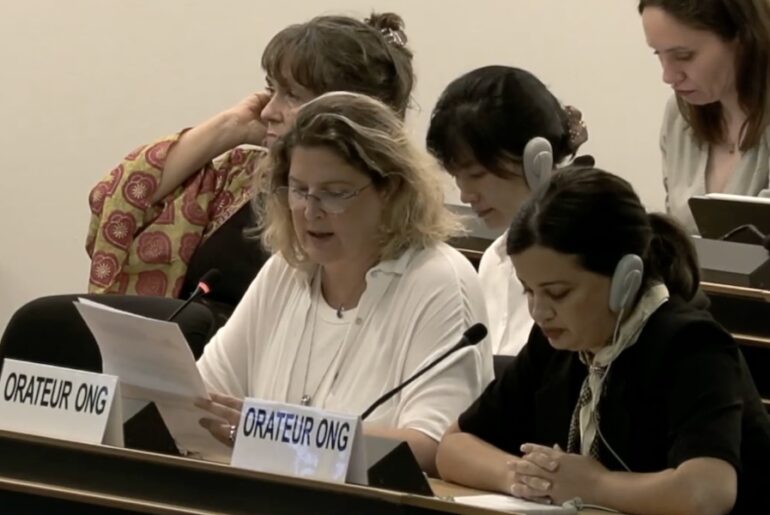
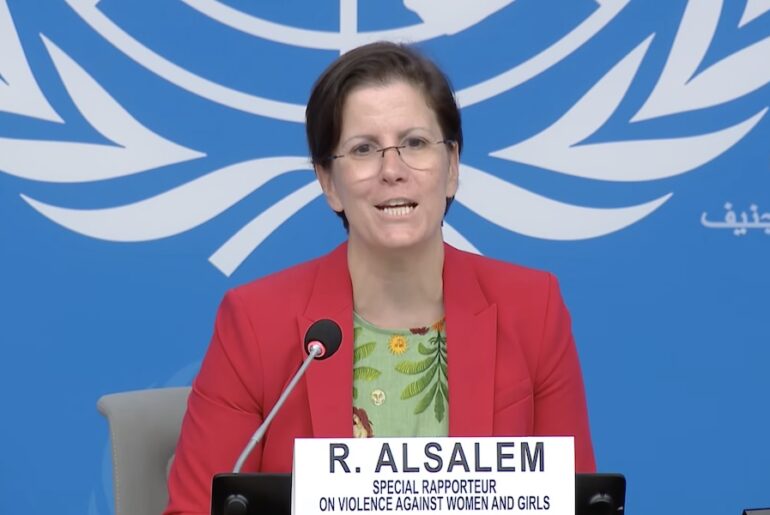
MMM took part in the general debate that followed the presentation of the report of the UN Special Representative on Violence against Children. Focussing on the impact of violence on children’s mental health, the report was presented during the 43rd session of the Human Rights Council. The following statement was delivered by our representative Karen Thorsen.

MMM Oral Statement – Item 3 General Debate
The report [of the Special Representative] rightly states that violence against mothers, including during pregnancy, has serious consequences for her children and their right to the highest attainable standard of mental health.
We draw attention to the impact that a mother’s own mental health and socio-economic status have on her child’s mental health.
Mothers with low socio-economic status have a tendency to bear children who are hyperactive and antisocial. A child whose mother suffers from depression has a higher risk of disruptive behaviour in preschool and problems interacting with their peers. Better-educated mothers, on the other hand, have a tendency to bear more mentally stable children; they are also more able to cope with their children’s mental problems.
The parental circumstances are crucial during childhood, especially for a mother, who remains the main educator and caregiver of her child. In particular, a mother’s education level has a long-lasting effect on her children.
MMM therefore calls on governments
- To recognize the impact of a mother’s mental health on her child and the child’s healthy development
- To invest in early childhood development and support parents through parental education and counseling, as well as adequate social protection.
 Share
Share Share
Share Print
Print Email
Email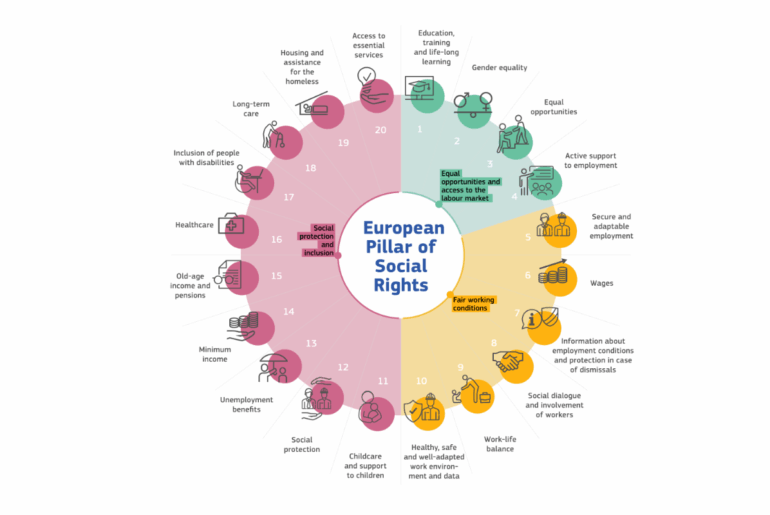
The European Pillar of Social Rights Action Plan
Strengthening Support for Mothers
12.09.25
Our 2024 State of Motherhood in Europe survey of 9,600 mothers across 11 EU Member States and the UK paints a clear picture: motherhood is still not properly recognised or
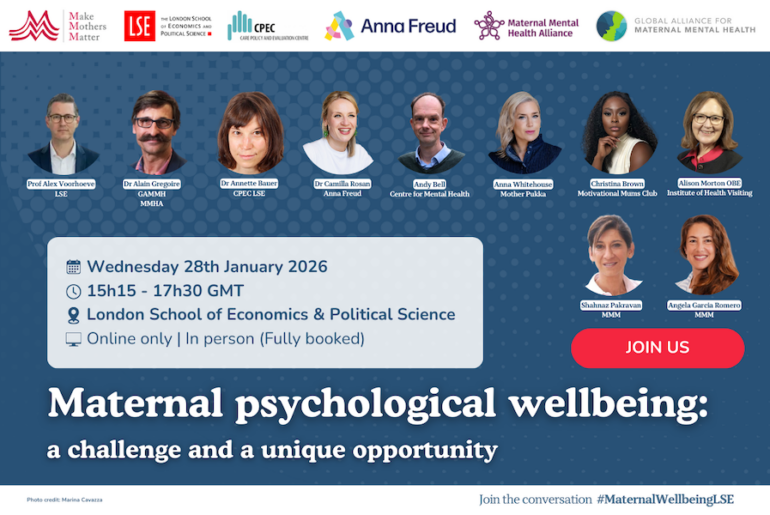
Maternal Psychological Wellbeing: A Challenge and a Unique Opportunity
13.01.26
Wednesday 28 January 2026 | 15:15 – 17:30 GMT London School of Economics & Political Science (LSE) – Live broadcast #MaternalWellbeingLSE Maternal mental health is one of the most pressing

Climate Change: A Maternal Physical and Mental Health Emergency
13.11.25
In the lead-up to the UN climate change conference in Belem, Brazil (COP30), MMM was delighted to collaborate with Dr. Saravanan Thangarajan, a Visiting Scientist & Faculty member at Harvard