Parents key to mitigating risks of environmental harm to children
01.07.20
UN Geneva, Human Rights Council - At the Annual Discussion on the Rights of the Child, MMM took the floor to highlight the key role of parents, especially mothers as the primary caregivers, in realizing the rights of the child through a healthy environment.
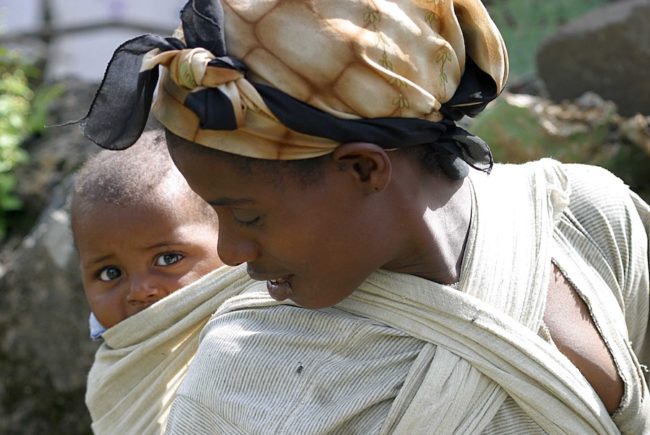
A healthy environment is especially key during the early years, including during pregnancy: the beginning of a child’s life is a period of special sensitivity and importance for their development in reaching their full potential.
Early childhood is therefore a critical period for the realization of the rights of the child, beginning with the right to health – and it is a period when children are heavily dependent in all aspects on their caregivers, who in most cases is their mother.
Above all, a mother’s exposure to environmental pollution during pregnancy and breastfeeding can negatively affect the development of her child, with potentially devastating life-long consequences.
As parents have the primary responsibility for the upbringing and development of their child, they are also in the best position to mitigate the risks and effects of environmental harm on their children, especially during the critical early years.
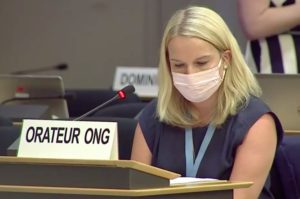
Karen Thorsen, delivering the Statement on behalf of Make Mothers Matter
We at MMM are therefore calling on Member States:
- To recognize parents, especially mothers, as relevant and key actors for the realization of the rights of the child through a healthy environment
- To support and empower parents through awareness raising of potentially damaging environmental issues for their child, access to information and environmental education.

MMM Oral Statement for download
The Statement was delivered as part of the 44th Session of the UN Human Rights Council during the Annual Discussion on the Rights of the Child, which this year was on Realizing the rights of the child through a healthy environment.
MMM also supports the Call for action which was launched at this occasion by a coalition of Child Rights experts and a group of NGOs of Child Rights Connect.
We call upon Member States to ensure that children’s voices are not only heard, but acted upon, by placing children’s rights and best interests at the core of ambitious and concrete environmental actions and policies, including recognition of a human right to a safe, clean, healthy and sustainable environment.
 Share
Share Share
Share Print
Print Email
Email
Europe Must Listen to Mothers: Our landmark report heads to the European Parliament
28.08.25
On 22 September 2025, the voices of mothers will take centre stage in Brussels. For the first time, Make Mothers Matter (MMM) will present its State of Motherhood in Europe
Belgian Mothers Face Alarming Rates of Burnout and Perinatal Depression, New EU Survey Finds
03.07.25
Belgian mothers are facing a mental health crisis. According to the State of Motherhood in Europe 2024 survey by Make Mothers Matter (MMM) and Kantar, Belgium reports the highest rates

Parental Mental Health Takes Centre Stage at the French National Assembly
02.04.25
Paris, France – On April 2nd, Make Mothers Matter was honoured to have key findings from its State of Motherhood in Europe 2024 report cited at the French National Assembly