Breaking the Cycle: Gender Equality as a Path to Better Mental Health
18.03.25
The Council of the European Union has taken a decisive step in recognising the vital connection between gender equality and mental health.
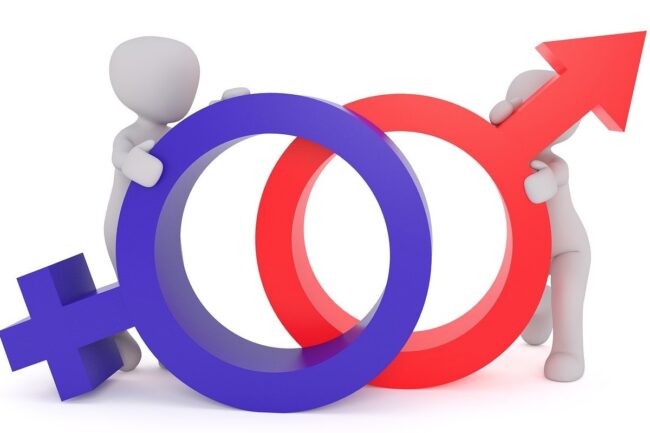
Through its latest EPSCO (Employment, Social Policy, Health, and Consumer Affairs) Conclusions on Strengthening Women’s and Girls’ Mental Health by Promoting Gender Equality, the Council underscores the urgent need to address gender-based disparities in mental well-being. This initiative is a game-changer, reinforcing the idea that gender equality is not just a matter of fairness—it is essential for a healthier, more resilient society.
At Make Mothers Matter (MMM), we are especially proud that our report, Single Mothers in Europe, was among the key references used by the Council in drafting these crucial Conclusions.
The Unique Mental Health Challenges Faced by Women and Girls
Mental health conditions affect everyone, but women and girls face distinct and disproportionate risks. Research consistently shows that societal structures, economic pressures, and caregiving responsibilities amplify these challenges. According to the WHO European Framework for Action on Mental Health (2021-2025), women—particularly those with psychosocial, intellectual, cognitive, and neurodevelopmental disabilities—are at an increased risk of social exclusion.
Several factors contribute to this inequality :
- Workplace stress and economic vulnerability : Women are overrepresented in low-wage jobs with high stress and poor working conditions, leading to burnout and anxiety.
- Barriers to mental health care : Women face gender-specific obstacles in accessing timely and adequate mental health services, leaving many without the support they need.
- Domestic violence and trauma : The EU Directive on combating violence against women highlights the profound impact of domestic abuse on mental health. Additionally, children who witness domestic violence are at an increased risk
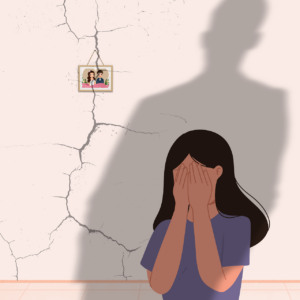 of developing mental health conditions.
 - Gender disparities in mental well-being : Across Europe, self-assessment surveys consistently reveal that women report lower levels of mental well-being compared to men. For example, mental health conditions, including those that contribute to suicidal thoughts and behaviours, are more prevalent among women.
The Gender Care Gap : A Silent Crisis in Mental Health
One of the most overlooked drivers of mental health inequality is the gender care gap. Women, particularly mothers, shoulder the majority of unpaid care work, which not only limits their career prospects but also places an immense psychological responsibility on them.
The Data Speaks Volumes :
- Single mothers are at a high risk of mental health struggles due to financial insecurity, social isolation, and overwhelming responsibilities. In the EU, there are 7.8 million single-parent families, with mothers making up nearly 80% of them.
- Maternal mental health is a critical issue. Perinatal depression is widespread, and the first 1,000 days of a child’s life are crucial for the well-being of both mother and baby. Accessible childcare, shared caregiving, and flexible work arrangements are essential.
- Long-term caregivers—most of whom are women—experience mental health conditions at rates 20% higher than non-caregivers.
- Older women, who live longer than men, need adequate mental health support as part of building a ‘longevity society,’ according to the European Commission’s Demographic Change in Europe: A Toolbox for Action.
- Women and girls with disabilities are among the most vulnerable, facing heightened risks of violence, isolation, and discrimination that worsen their mental health outcomes.
Turning Commitments into Action: Key Recommendations for Member States
To bridge the gender gap in mental health, EU Member States must take bold and effective steps :
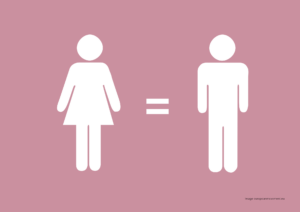
- Eliminate Gender Disparities : Implement policies that reduce gender-based mental health inequalities by alleviating the unpaid care load and expanding access to mental health services.
- Improve Work-Life Balance : Introduce flexible working arrangements, enhance access to affordable childcare, and ensure an equitable division of care responsibilities between men and women.
- Strengthen Mental Health Services : Ensure that single mothers, caregivers, and women in vulnerable situations have access to medical, social, and psychological support with minimal barriers.
- Boost Economic Empowerment : Address gender pay gaps and employment progression barriers to enhance women’s financial independence and resilience against mental health struggles.
- Support Survivors of Violence : Provide trauma-informed care and robust protection mechanisms for victims of domestic violence and gender-based discrimination.
- Promote Holistic Well-being : Launch initiatives that encourage healthy lifestyles, stress management, and accessible recreational activities for women and girls.
- Invest in Social Support Networks : Strengthen community-based support, quality childcare services, and caregiving assistance to ease the mental load on women and mothers.
A Call for Change
The Council of the European Union’s recognition of the deep-rooted link between gender equality and mental health marks a pivotal moment. By implementing these recommendations, Member States have the opportunity to create a more inclusive, supportive, and mentally healthy society—one where women and girls can thrive without the weight of systemic inequalities holding them back.
Now is the time for action. Mental health is not just a personal issue—it is a societal one. A gender-equal Europe is a healthier Europe for all.
Access the full text of the Conclusions here
 Share
Share Share
Share Print
Print Email
Email
Maternal Psychological Wellbeing: A Challenge and a Unique Opportunity
13.01.26
Wednesday 28 January 2026 | 15:15 – 17:30 GMT London School of Economics & Political Science (LSE) – Live broadcast #MaternalWellbeingLSE Maternal mental health is one of the most pressing

Climate Change: A Maternal Physical and Mental Health Emergency
13.11.25
In the lead-up to the UN climate change conference in Belem, Brazil (COP30), MMM was delighted to collaborate with Dr. Saravanan Thangarajan, a Visiting Scientist & Faculty member at Harvard
Democracy on Hold: The Hidden Penalty for Parliamentarians Who Become Mothers
27.11.25
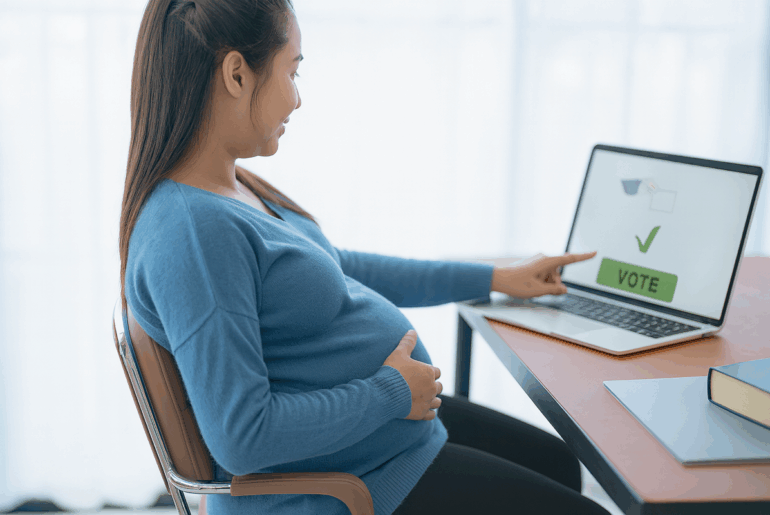
The European Parliament adopted a legislative resolution on the amendment of the European Electoral act, allowing Members to vote in plenary by proxy voting during pregnancy and after giving birth.