Investing In Children’s Mental Health Across All Their Environments
19.05.26
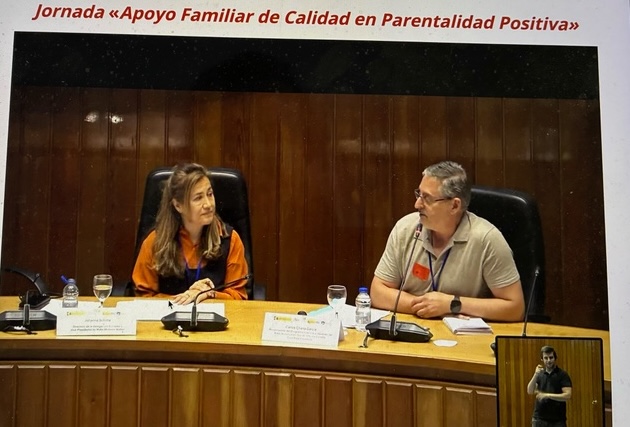
Together with partners from the Alliance for Investing in Children, MMM co-organised an event at the European Parliament during European Mental Health Week, organised by Mental Health Europe.
The event, hosted by MEP András Kulja (EPP), highlighted the importance of addressing children’s mental health through the full ecosystem in which they grow up. Mental well-being is shaped not only by individual factors, but also by the quality of the environments surrounding children – including family life, schools, and the wider social context.
In his opening remarks, MEP Kulja reflected on his experience training as a psychiatric doctor. He spoke about the suffering he witnessed and stressed the urgent need to focus on prevention and on building structures that support all children, regardless of their background. He underlined the importance of providing children with healthy environments and ensuring that both children and their families receive the support they need to thrive.
The event brought together stakeholders from different sectors to explore how coordinated action across these interconnected environments can better protect and promote children’s mental health.
Across Europe, growing concerns about children’s mental health are placing increasing pressure on support systems and public policy. Stress, socio-economic pressures, academic expectations, digital environments, and family challenges all contribute to a growing need for integrated support systems. Yet interventions often focus on one environment at a time, without recognising how deeply interconnected these spaces are in children’s daily lives.
A holistic approach — recognising family, school, and the wider social environment as mutually reinforcing — is essential to ensuring that children feel safe, supported, and able to reach their full potential.
Discussions throughout the event focused on how these different environments interact and how coordinated action across sectors can strengthen prevention and support systems. The event was structured around three key environments:
School environment — The panel discussed the role of teachers, school climate, peer relationships, and the importance of safe, inclusive, and nurturing learning spaces, including effective home-school communication between schools and families.
Don Bosco International presented its work supporting young people’s emotional well-being through educational and pastoral environments, while EuroHealthNet showcased “Icehearts Europe”, a mentoring programme supporting disadvantaged children at risk of poor mental health, school dropout, and social exclusion.
 Family environment — This session explored the impact of the emotional climate at home, parental well-being, maternal mental health, and the well-being of teachers and educators on children’s mental health.
MMM presented several initiatives developed by its members to support the mental health and well-being of mothers, children, and families.
The Mother Centres, MINE, in the Danube region were highlighted as locally rooted, community-based spaces providing intergenerational connection, mental health support, and parenting resources, helping to reduce isolation and stress among mothers. This support is particularly important for young mothers, who often face overlapping challenges including poverty, limited educational opportunities, unstable employment, isolation, and stigma. Together, these factors increase the risk of poor mental health, including postpartum depression.
Mother Centres also foster intergenerational solidarity by creating shared spaces where young mothers, grandparents, and wider communities can connect. This approach helps alleviate pressure on the so-called “sandwich generation” – adults simultaneously caring for children and ageing parents. It supports the transmission of knowledge and care practices while reinforcing a shared sense of responsibility for child-rearing and well-being.
Amasol presented its comprehensive psychological support programme for single-parent families, “Amasol Contigo”, combining individual, family, and group therapy to address emotional well-being in a holistic way. In addition to reducing anxiety and depressive symptoms among both parents and children, the programme improves self-esteem, strengthens family bonds, enhances communication, and promotes positive parenting. It also reinforces support networks for single-parent families, the majority of which are headed by women.
QUEST presented democratic education and self-directed learning as innovative approaches to creating school environments that actively support children’s mental health. Particular attention was given to the “SWELL” project, which empowers teachers to support both their own well-being and that of their students.
Social environment — This panel focused on the broader community, non-formal and informal learning spaces, youth work, and the social networks that influence children’s sense of belonging.
Save the Children Italy presented the “I Support My Friends” methodology implemented in the CivicoZero centres working with unaccompanied minors and youth groups, while Save the Children Netherlands showcased the “TeamUp@School” project, emphasising the strong link between mental health, inclusion, and learning.
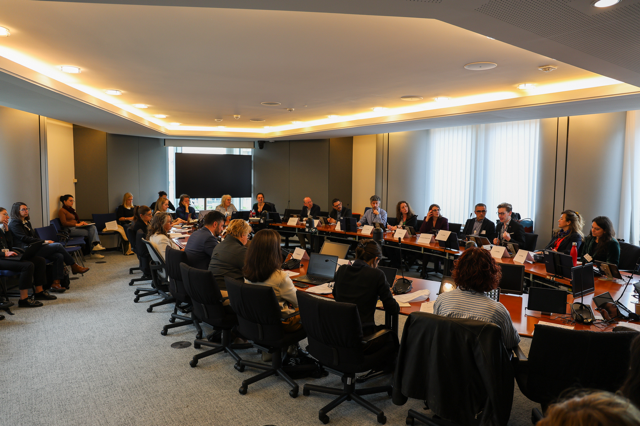 Policy Perspectives
The policy panel included insights from MEP Lukas Sieper (Renew), who reflected on his own experiences as a young person and on the support he received from his mother. He emphasised the importance of strong structures of care and continued support for good practices across Europe.
MEP Kathleen Funchion (The Left) also contributed to the discussion, calling for these types of initiatives to be expanded across Europe while taking into account diverse experiences and specific needs. Speaking from her own experience as a single mother, she stressed the importance of societal support for these families and the need to strengthen wider circles of care.
Katarina Ivanković presented the EU’s new Anti-Poverty Strategy — the Commission’s roadmap to help end poverty in the EU by 2050 — alongside the Communication on strengthening the European Child Guarantee and the proposal for a Council Recommendation on fighting housing exclusion. She stressed the Commission’s commitment to placing the fight against poverty at the centre of future policymaking.
Finally, Marie-Cécile Rouillon highlighted the importance of the EU’s legislative framework protecting children’s rights, including the EU Strategy on the Rights of the Child, the EU Children’s Participation Platform, and initiatives on digital protection and the prevention of violence against women and domestic violence.
The discussions throughout the event reinforced a shared message: children’s mental health cannot be addressed in isolation. Effective support requires coordinated investment across families, schools, communities, and public policy. By strengthening these interconnected environments, policymakers and practitioners can help ensure that every child has the support they need to thrive.
 Share
Share Share
Share Print
Print Email
Email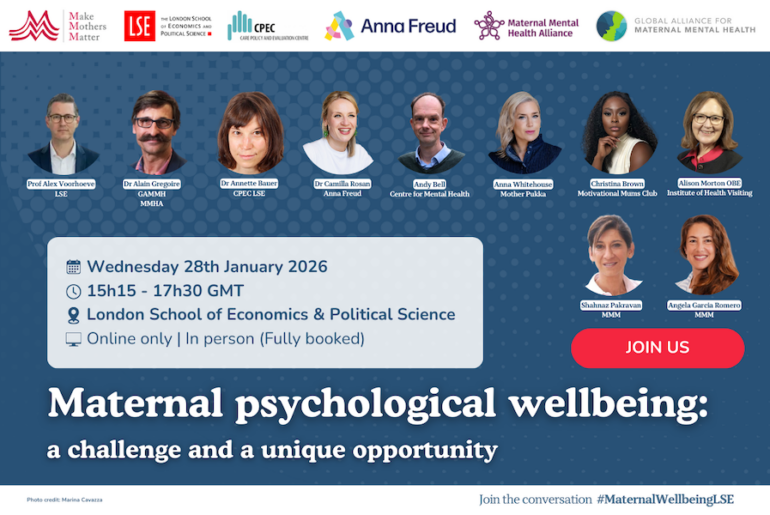
Maternal Psychological Wellbeing: A Challenge and a Unique Opportunity
13.01.26
Wednesday 28 January 2026 | 15:15 – 17:30 GMT London School of Economics & Political Science (LSE) – Live broadcast #MaternalWellbeingLSE Maternal mental health is one of the most pressing

Climate Change: A Maternal Physical and Mental Health Emergency
13.11.25
In the lead-up to the UN climate change conference in Belem, Brazil (COP30), MMM was delighted to collaborate with Dr. Saravanan Thangarajan, a Visiting Scientist & Faculty member at Harvard
Democracy on Hold: The Hidden Penalty for Parliamentarians Who Become Mothers
27.11.25
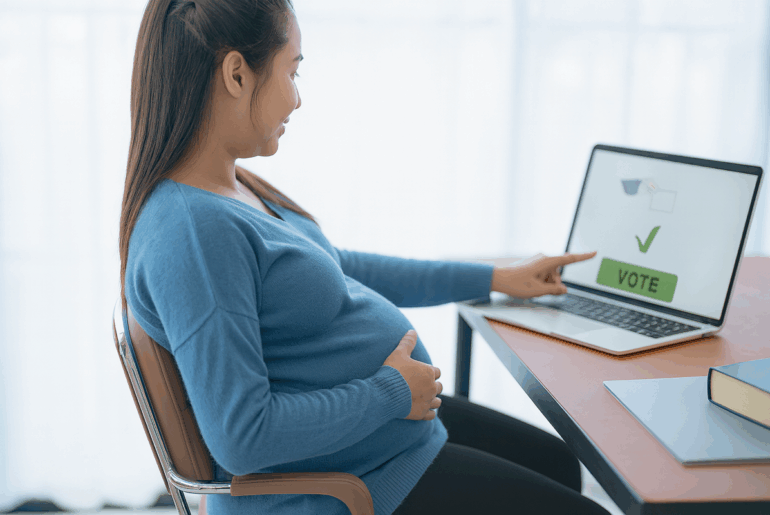
The European Parliament adopted a legislative resolution on the amendment of the European Electoral act, allowing Members to vote in plenary by proxy voting during pregnancy and after giving birth.