Kicking Off the European Tour with Connection and Innovation
21.03.25
Oeiras, Portugal – We officially launched our State of Motherhood in Europe 2024 report in beautiful Portugal, the first stop on our European tour to spotlight the real challenges and opportunities mothers face today.
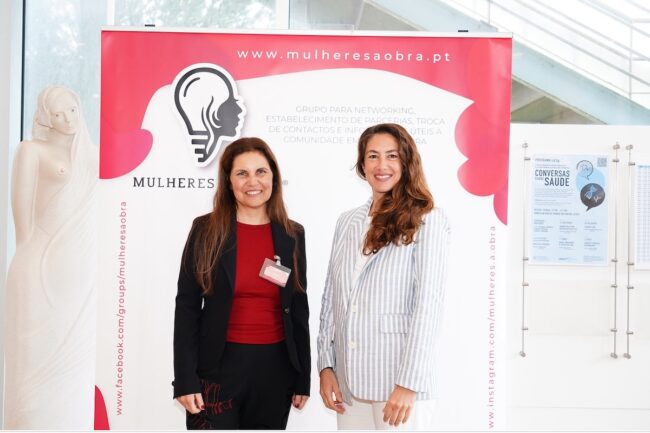
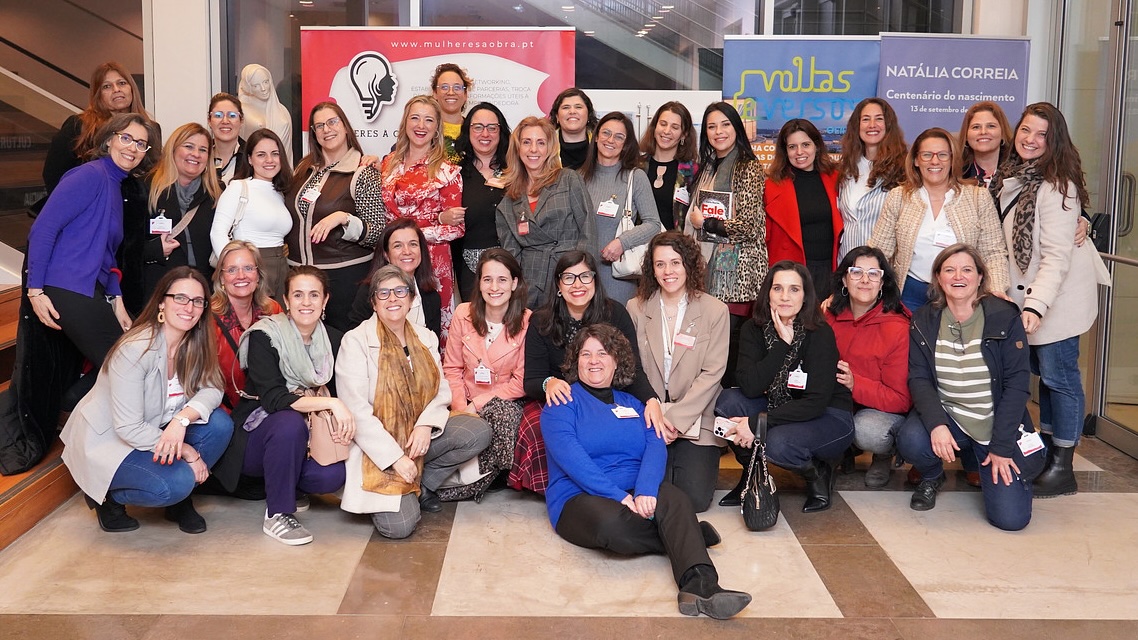
Held in Oeiras, the event was part of the annual As Vozes do Empreendedorismo Feminino, an inspiring gathering organised by our network partner Mulheres à Obra, with the support of Oeiras Valley Municipality. The 2024 theme, Women 5.0: Conexão, Inovação, Superação, Impacto, captured the essence of what women can achieve through entrepreneurship and collective empowerment.
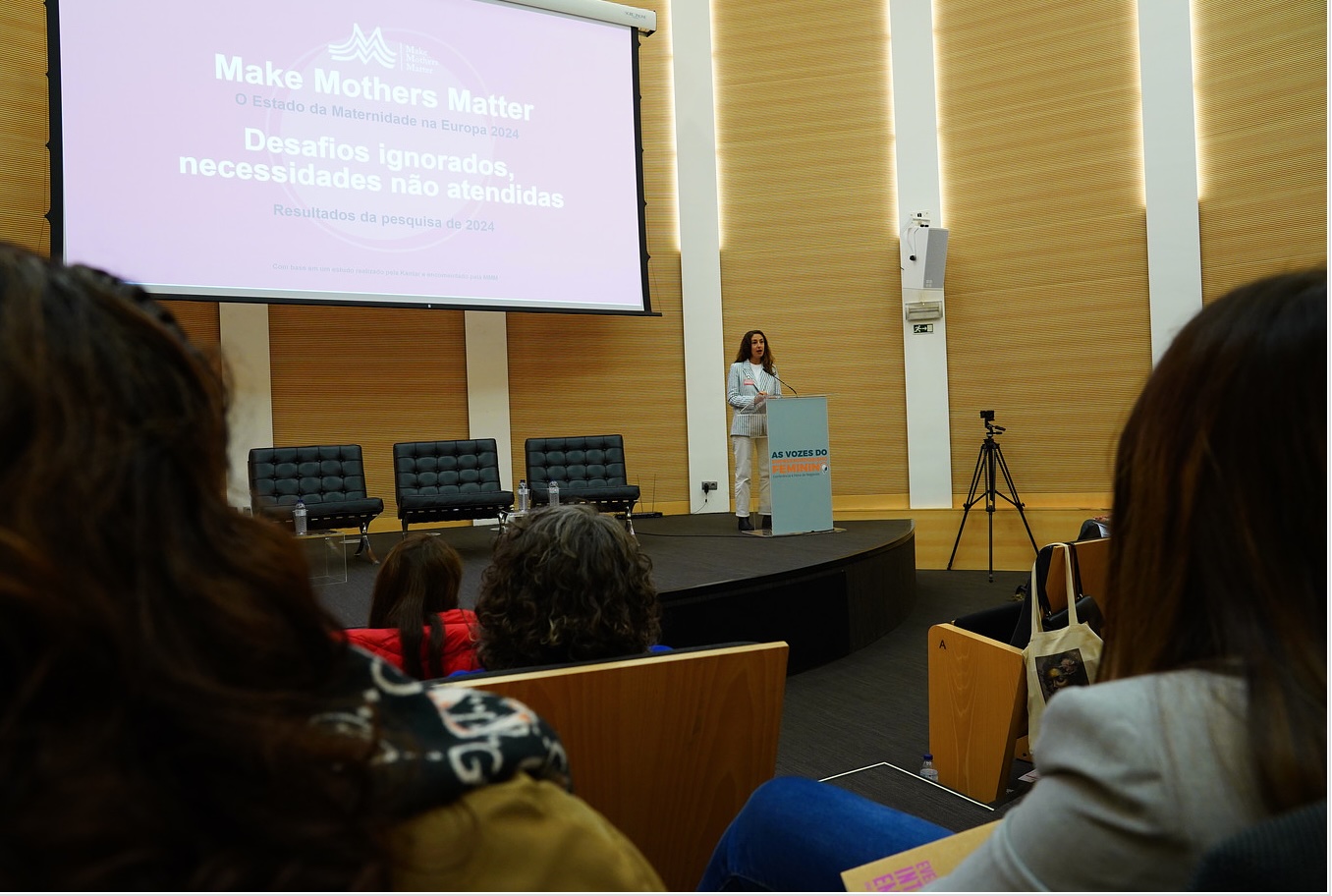
Our Project Director, Angela Garcia Romero, presented key findings from our European survey, with a spotlight on Portugal. Her presentation offered insight into how Portuguese mothers are navigating work-life balance, access to support systems, and the push for more family-friendly policies in workplaces and beyond.
“This event was not just about unveiling data – it was about fueling a conversation on how we can support mothers to thrive as individuals, professionals, and change-makers,” said Angela.
We thank all those who joined us to celebrate the launch and contribute to a future where the voices of mothers shape real, lasting impact.
🔗 Download the Portugal snapshot (PDF)
🔗 State of Motherhood in Europe home page
 Share
Share Share
Share Print
Print Email
Email
Maternal Psychological Wellbeing: A Challenge and a Unique Opportunity
13.01.26
Wednesday 28 January 2026 | 15:15 – 17:30 GMT London School of Economics & Political Science (LSE) – Live broadcast #MaternalWellbeingLSE Maternal mental health is one of the most pressing

Climate Change: A Maternal Physical and Mental Health Emergency
13.11.25
In the lead-up to the UN climate change conference in Belem, Brazil (COP30), MMM was delighted to collaborate with Dr. Saravanan Thangarajan, a Visiting Scientist & Faculty member at Harvard
Democracy on Hold: The Hidden Penalty for Parliamentarians Who Become Mothers
27.11.25
The European Parliament adopted a legislative resolution on the amendment of the European Electoral act, allowing Members to vote in plenary by proxy voting during pregnancy and after giving birth.