Roma Children, Child Poverty and the Risk of Family Separation
25.11.26
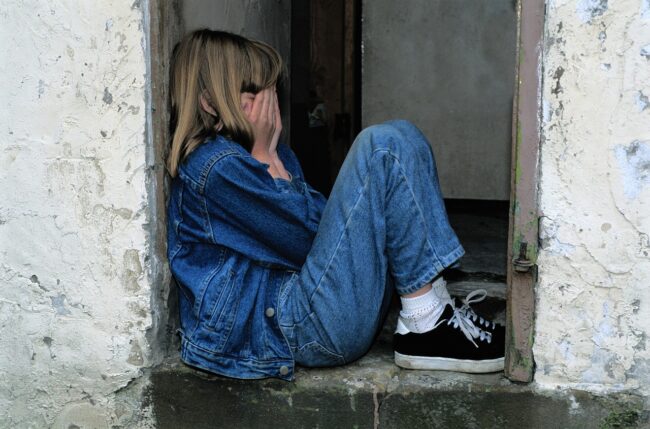
On 19 November in Brussels, the European Roma Grassroots Organisations (ERGO) Network held its annual Policy Conference, Implementing the EU Roma Strategic Framework: Roma child poverty and the prevention of family separation. Make Mothers Matter (MMM) was invited to speak on the first panel, which launched ERGO’s new research report on Roma children. The report shows how family poverty is so often misinterpreted as neglect, and how this results in families being torn apart.
One quote from the report came from a Roma activist in Spain but could have come from any of the mothers’ organisations we work with: “When parents provide care, affection, and protection, but they lack adequate income, good housing, or administrative support, the correct public response should be family support, not removal.”
What the evidence shows
The report covers Bulgaria, Czechia, Hungary, Romania, Slovakia and Spain. The Fundamental Rights Agency estimates that 77% of Roma children in the EU are at risk of poverty, rising to 91% in marginalised communities in Slovakia and close to 90% in Spain. In Slovakia, nine children died in fires in Roma settlements in a single year. The central finding is that poverty and marginalisation are too often read as parental failure, which exposes families to unnecessary separation.
Seeing it from where mothers stand
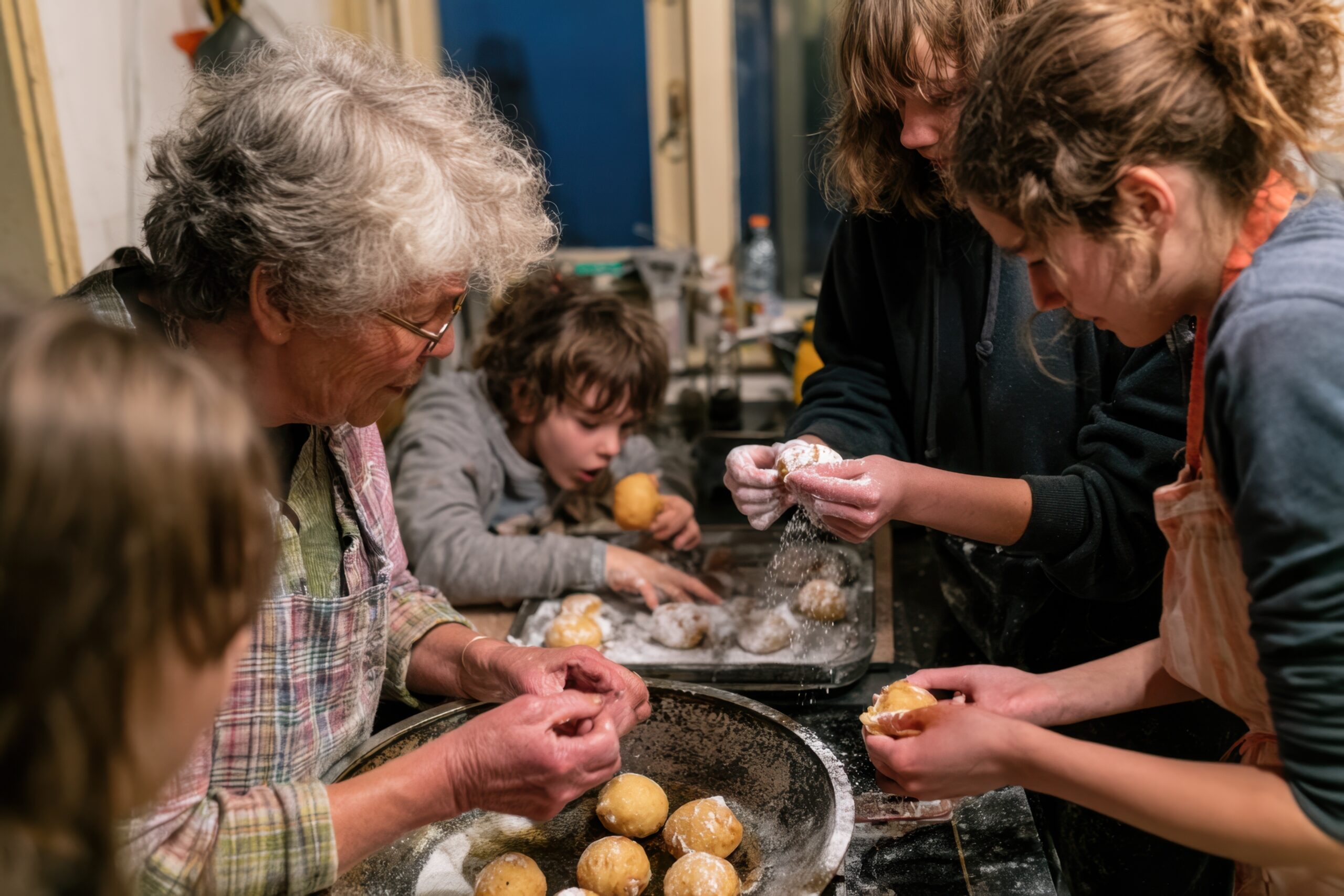
A Roma mother with several children often carries everything at once: irregular income, a benefit application that needs one more document, and no childcare when she brings all her children to every appointment. A missed check-up or school absence is then read as negligence. MMM’s 2024 survey of 9,600 mothers in eleven Member States found that 67% feel overloaded and 41% say their role is not recognised by society. Mothers facing poverty, housing exclusion and racism carry even more.
Fear also keeps families away from support. The report documents a mother in Czechia who avoided NGO workers visiting her hostel because she feared losing her children. A mother who is afraid to ask for help is a policy failure.
A double standard
Poor Roma families are scrutinised, and the damp flat or empty fridge is read as proof of bad parenting. Yet when a Roma child is genuinely at risk, services can underreact, because harm is sometimes seen as “somehow normal in Roma communities.” Families are punished for poverty, while children are left unprotected from real danger. Children’s rights cannot be realised apart from their families.
What needs to happen
- Adequate income and secure housing. Material conditions should never be grounds for removal.
- Simple, human access to support, such as Bulgaria’s “one family, one plan, one coordinator” model, and stable funding for Roma mediators.
- Early, home-based support from pregnancy onwards. In Czechia, one field worker may cover around 15 families, which cannot work.
- Anti-bias training for professionals in health, education, social work and child protection.
- Participation of Roma mothers, children and organisations in designing and monitoring policies.
What EU policy can do
The EU has the instruments, but implementation is the weak point in all six countries. MMM calls on the EU to:
- Issue a strong Guidance Note on Roma and other children in vulnerable situations under the Child Guarantee, naming prevention of family separation explicitly.
- Link the Roma Framework, the Child Guarantee and the new Anti-Poverty Strategy through a life-cycle approach that supports parents, not only children.
- Ensure structured participation of mothers in vulnerable situations and civil society, beyond one-off consultations.
- Safeguard funding for social inclusion and child poverty in the 2028–2034 budget, with Member States allocating at least 5% of European Social Fund (ESF+ ) to child and family poverty, and 10% where it exceeds the EU average.
Support, not removal
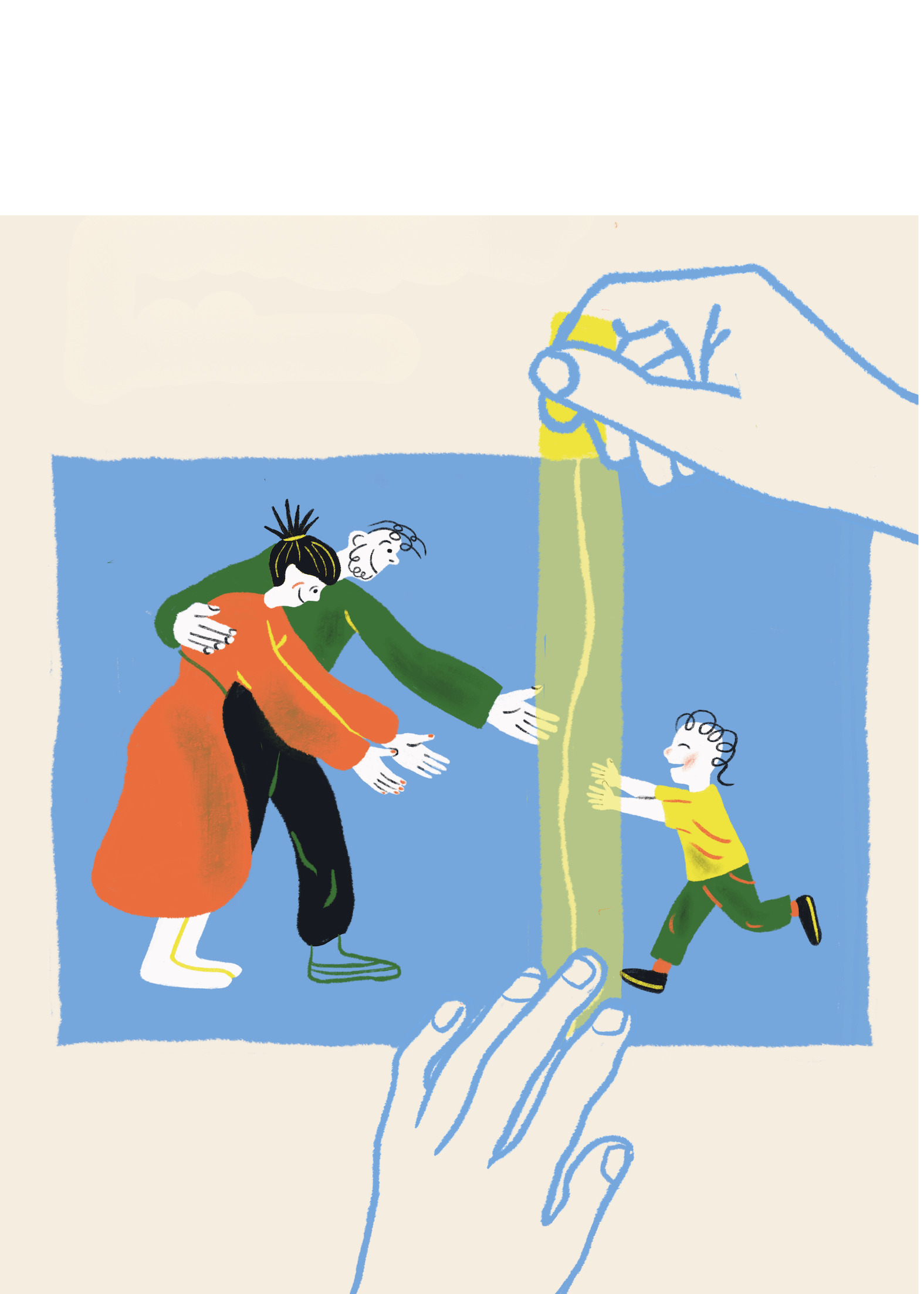
Roma mothers want what every mother wants: to keep their children safe, fed, schooled and by their side. We need the political will to fund support for families, not the removal of children. As a local NGO representative in Romania put it: “Prevention should always come before removal.”
Access the full contribution here
 Share
 Share
 Print
 Email

Maternal Psychological Wellbeing: A Challenge and a Unique Opportunity
13.01.26
Wednesday 28 January 2026 | 15:15 – 17:30 GMT London School of Economics & Political Science (LSE) – Live broadcast #MaternalWellbeingLSE Maternal mental health is one of the most pressing
Democracy on Hold: The Hidden Penalty for Parliamentarians Who Become Mothers
27.11.25
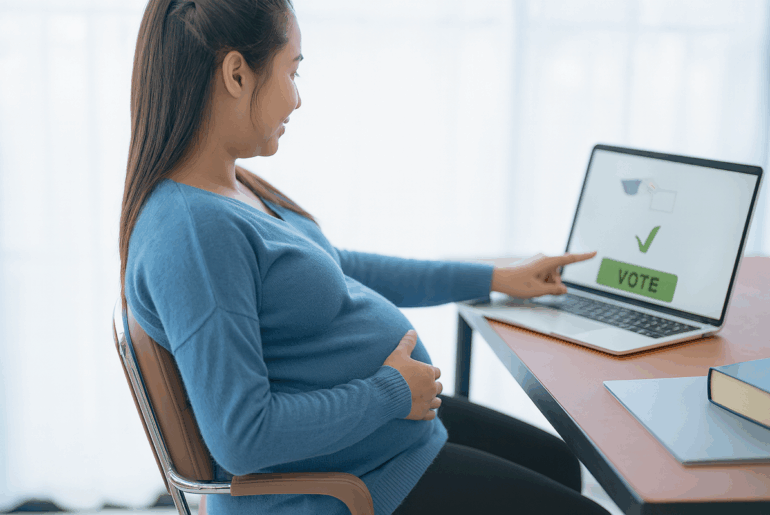
The European Parliament adopted a legislative resolution on the amendment of the European Electoral act, allowing Members to vote in plenary by proxy voting during pregnancy and after giving birth.
She Does It All: The Devaluation of Caregiving in EU Work–Life Balance Policy
28.11.25
Across Europe, mothers carry out vast amounts of unpaid care work that keeps families and societies functioning—yet much of this labour remains largely invisible in EU policy. A new study