Make Mothers Matter calls for women’s health to be a European priority at the SPIOMET4HEALTH Final Policy Event
21.11.16
Bologna, 6 November 2026 – Make Mothers Matter (MMM), together with The European Institute for Women’s Health (EIWH), co-organised a public policy event in Bologna, Italy, marking the conclusion of the European SPIOMET4HEALTH project, in which MMM was a partner. The event brought together scientific experts, healthcare professionals, patient representatives, patient organisations and European policymakers to discuss the project's achievements and the future of care for women and young girls affected by Polyendocrine Metabolic Ovarian Syndrome (PMOS).
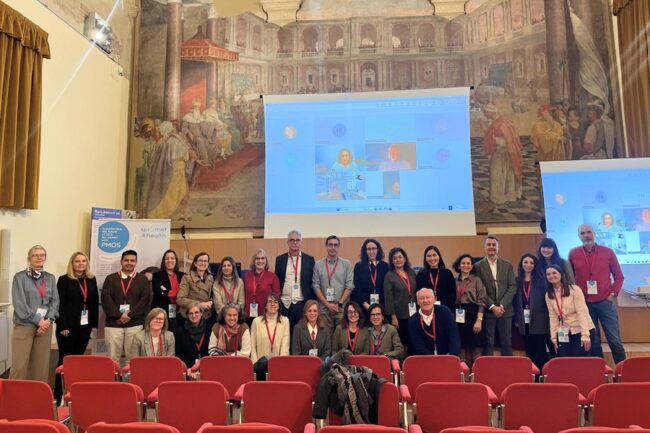
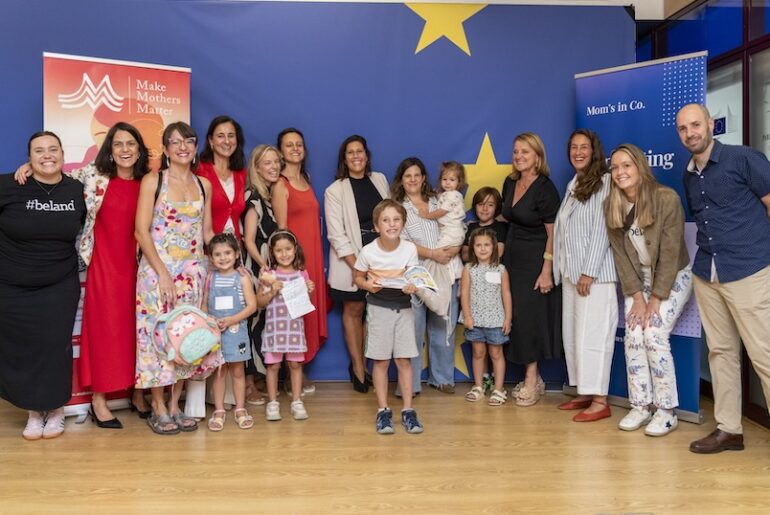
Representing MMM, Laurence Bosteels and Karen Thorsen travelled to Bologna to take part in this important meeting, contributing to discussions on how research, healthcare policies and patient involvement can work together to improve women’s health.
Turning scientific progress into better care for women
After more than five years of European collaboration, SPIOMET4HEALTH presented the results of its multicentre clinical trial, involving 316 young women across six European countries. The Phase 2 clinical trial explored a promising treatment approach combining SPIOMET with a personalised lifestyle intervention programme. The findings showed encouraging improvements in ovulation, menstrual cycle regularity, clinical symptoms and quality of life, alongside reassuring safety results.
Beyond the scientific findings, the event highlighted the wider challenges faced by women living with PMOS, including delayed diagnosis, limited awareness, the physical and psychological burden of the condition, and the need for more accessible and patient-centred care.
MEP Sirpa Pietikäinen followed the event online and expressed her support for the project.
MEP Billy Kelleher also recorded a short video message to express his support for Spiomet4Health.
Patient representatives from SOPK Europe, PMOS Norge and the Young Women Health Group also played a central role throughout the event, sharing their experiences and underlining why women must be actively involved in shaping the research and healthcare policies that affect their lives.
From research to policy: MMM’s contribution
A key contribution from Make Mothers Matter was the presentation by Laurence Bosteels of the project’s final policy recommendations.
These call for PMOS to be recognised as a public health priority, with greater awareness, earlier diagnosis and sustained investment in women’s health research.
The recommendations also emphasise the need for integrated, equitable and patient-centred healthcare, meaningful patient participation in research and decision-making, clearer regulatory pathways, and stronger European collaboration to ensure that scientific advances translate into tangible improvements in women’s health.
Keeping women’s health on the European agenda
The SPIOMET4HEALTH project has demonstrated the value of bringing together research institutions, healthcare professionals, patient organisations and policymakers across Europe. Its conclusion is not an endpoint, but an opportunity to build on the knowledge and partnerships developed over the past five years. It also provides an opportunity to call on funders to support the next phase of the clinical trial (Phase 3).
For Make Mothers Matter, this work reflects a broader commitment: ensuring that women’s health receives the attention, investment and policy recognition it deserves. Improving women’s health requires not only scientific progress, but also political commitment, sustained funding and healthcare systems that listen to and respond to women’s needs.
MMM will continue to advocate for women’s health to be recognised as a public health priority and for research to lead to better care and an improved quality of life for all women.
 Share
 Share
 Print
 Email
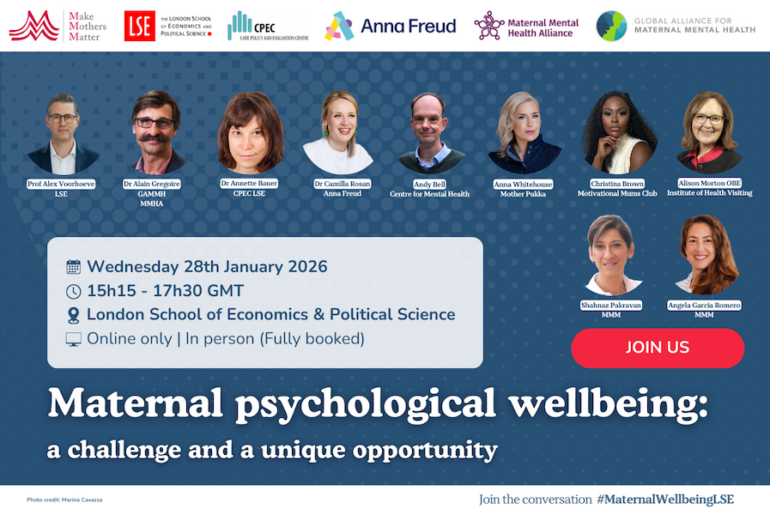
Maternal Psychological Wellbeing: A Challenge and a Unique Opportunity
13.01.26
Wednesday 28 January 2026 | 15:15 – 17:30 GMT London School of Economics & Political Science (LSE) – Live broadcast #MaternalWellbeingLSE Maternal mental health is one of the most pressing
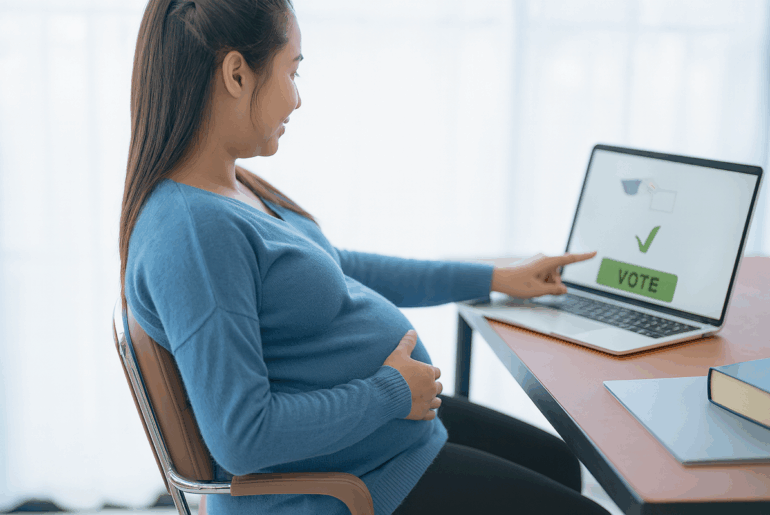
Democracy on Hold: The Hidden Penalty for Parliamentarians Who Become Mothers
27.11.25
The European Parliament adopted a legislative resolution on the amendment of the European Electoral act, allowing Members to vote in plenary by proxy voting during pregnancy and after giving birth.

She Does It All: The Devaluation of Caregiving in EU Work–Life Balance Policy
28.11.25
Across Europe, mothers carry out vast amounts of unpaid care work that keeps families and societies functioning—yet much of this labour remains largely invisible in EU policy. A new study