Latest News from MMM and its Network
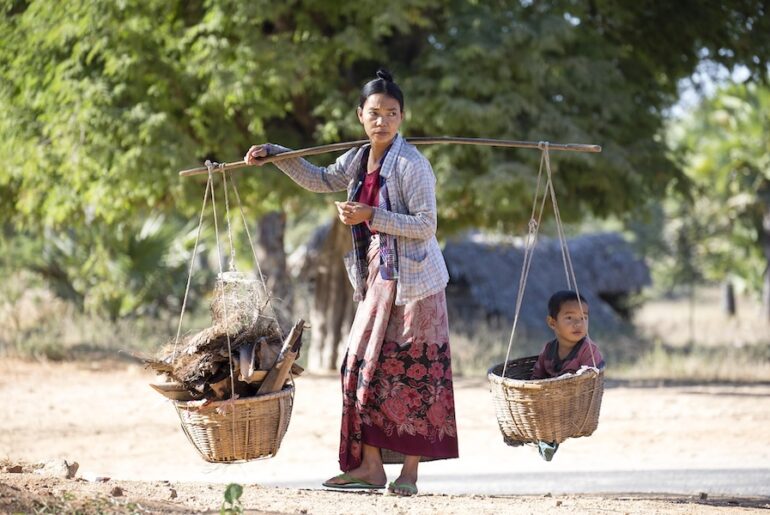
Invisible Violence: Why Mothers Must Be Recognised in the Fight Against Gender-Based Abuse
25.03.26
UN Geneva – Violence against women is widely acknowledged. Yet the specific forms of violence linked to motherhood remain largely overlooked. Drawing on grassroots evidence from across the globe, Make Mothers
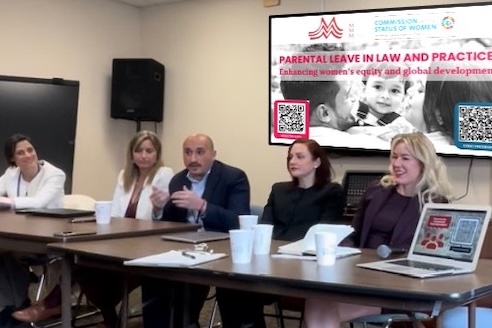
Parental Leave: A Global Imperative for Gender Equity and Economic Prosperity
25.03.26
UN New York – At the event MMM organised on the margins of the 70th UN Commission on the Status of Women, experts and policymakers converged to argue that parental leave is far more than a workplace benefitâ€
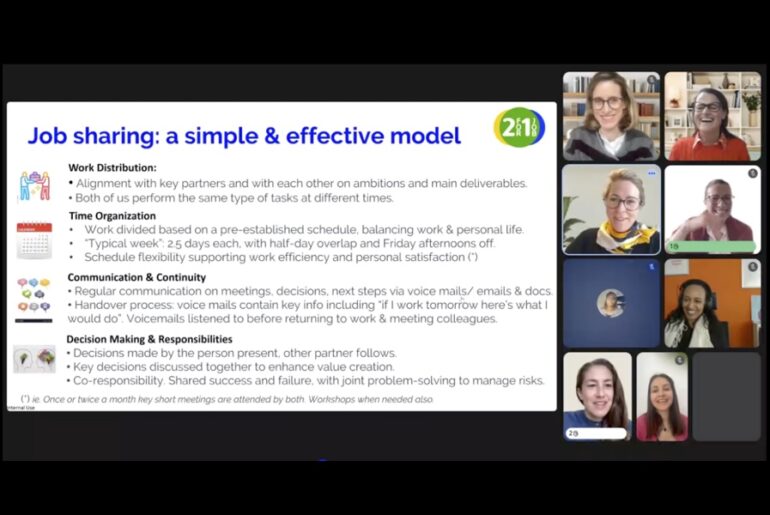
Job Sharing: A Promising Solution for Working Mothers
24.03.26
By Ariane de Liedekerke, Network Co-ordinator, Make Mothers Matter While many women are still sidelined professionally after becoming mothers, leading to a lose-lose situation, some companies are testing new wa

Recognising Care
The Relevance of Parenting Skills in the EU Skill Portability Initiative
16.03.26
Make Mothers Matter (MMM) responded to the Public Consultation on the European Commission’s upcoming Skill Portability Initiative. We submitted a paper outlining our views and provided feedback on the need to
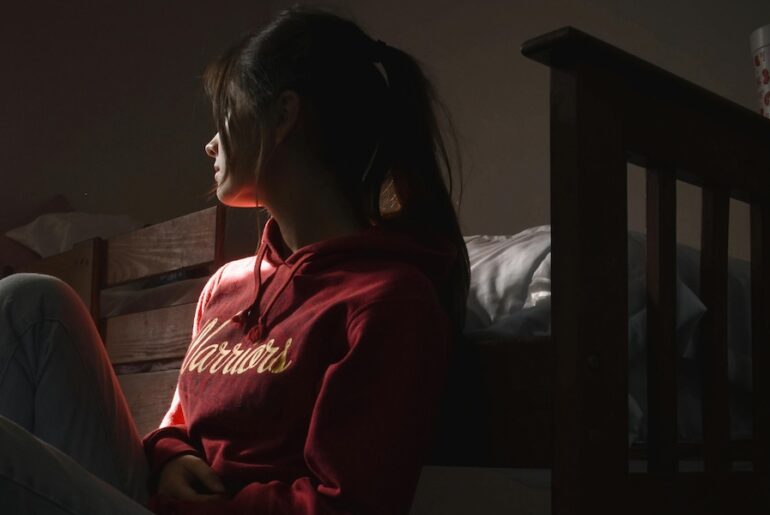
Hidden in Plain Sight: The Mental Health Crisis Facing Young Mothers in Europe
14.03.26
UN Geneva – An MMM submission to the OHCHR call for input on the impact of mental health challenges on the enjoyment of human rights by young people highlights a critical, often overlooked human rights issue:
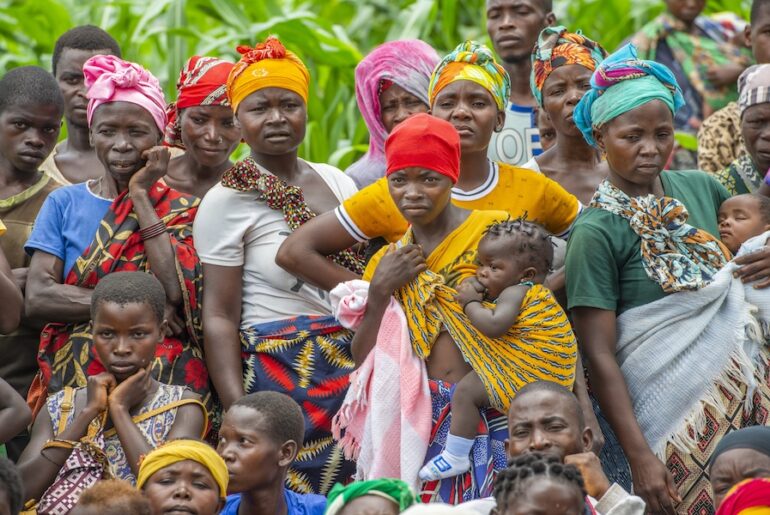
Climate finance must prioritise mothers and care
13.03.26
UN Geneva – Responding to the OHCHR Call for inputs on Climate Financing and Human Rights MMM argues that climate finance must prioritise mothers, unpaid caregivers, and maternal health in order to be truly e