268 years to close the economic gender gap? It is time to consider CARE as a human right
14.04.23
Care is at the heart of our advocacy work here at MMM, so we were delighted to have the opportunity to put forward our thoughts in this op-ed featured on the OECD Forum Network website.
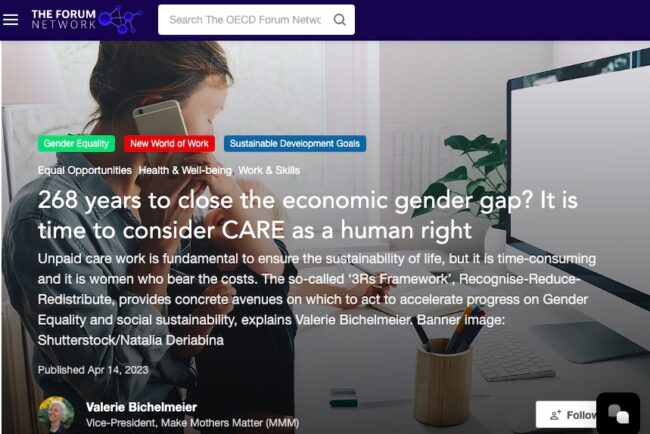
It is a known fact that the Economic gender gap is directly linked to the Care Gap. We argue that a paradigm shift and profound structural changes are needed if we are to accelerate change.
In order to progress on Gender Equality and social sustainability, we must consider two concrete avenues: re-invent our economy to a wellbeing model centred on ‘Care’ in its broadest meaning. And recognize Care as a Human Right.
Can we really afford to wait 268 years to close the economic gender gap?
➔ Read the MMM Op-ed on the OECD Forum Network website

 Share
Share Share
Share Print
Print Email
Email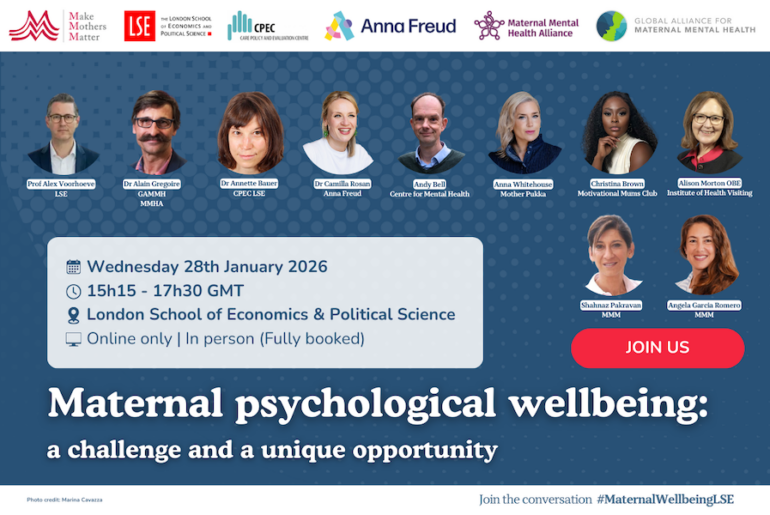
Maternal Psychological Wellbeing: A Challenge and a Unique Opportunity
13.01.26
Wednesday 28 January 2026 | 15:15 – 17:30 GMT London School of Economics & Political Science (LSE) – Live broadcast #MaternalWellbeingLSE Maternal mental health is one of the most pressing

Climate Change: A Maternal Physical and Mental Health Emergency
13.11.25
In the lead-up to the UN climate change conference in Belem, Brazil (COP30), MMM was delighted to collaborate with Dr. Saravanan Thangarajan, a Visiting Scientist & Faculty member at Harvard
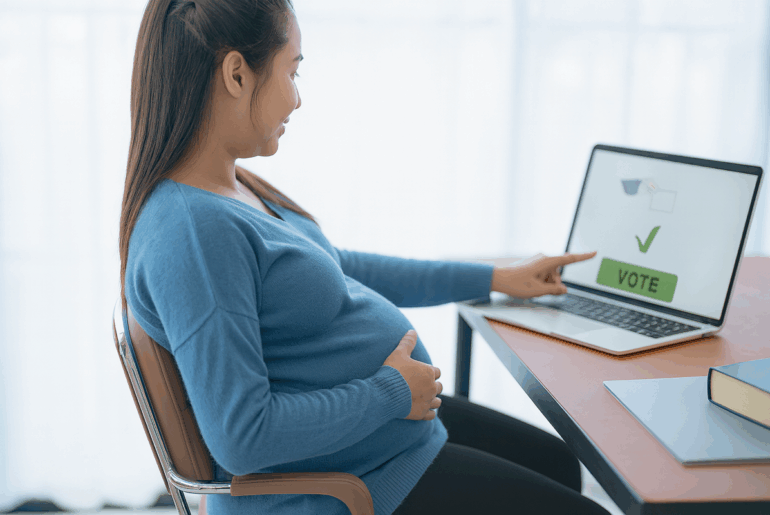
Democracy on Hold: The Hidden Penalty for Parliamentarians Who Become Mothers
27.11.25
The European Parliament adopted a legislative resolution on the amendment of the European Electoral act, allowing Members to vote in plenary by proxy voting during pregnancy and after giving birth.