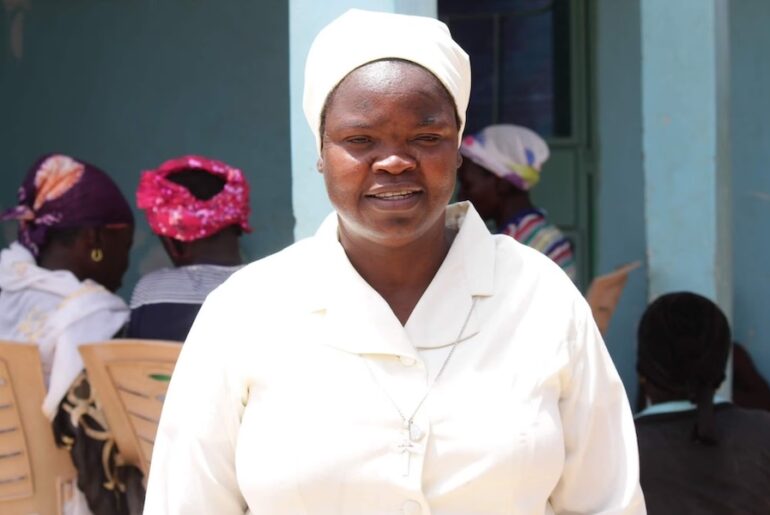
Care central to achieving Economic, Social and Cultural Rights
21.09.13
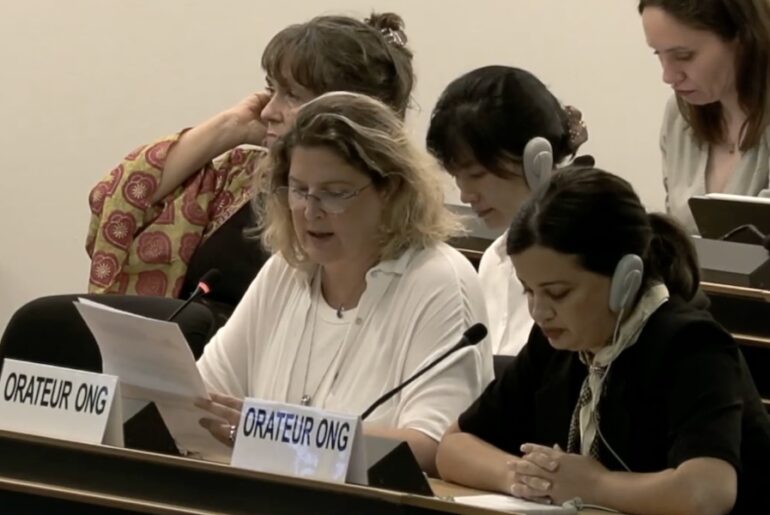
UN Geneva, Human Rights Council - As the Human Rights Council seeks to strengthening its work on Economic, Social and Cultural Rights, MMM oral statement highlights the centrality of Care to the realisation of these rights - in particular the unpaid care work of mothers. We also call for for the recognition, support and fairer redistribution of this essential work.
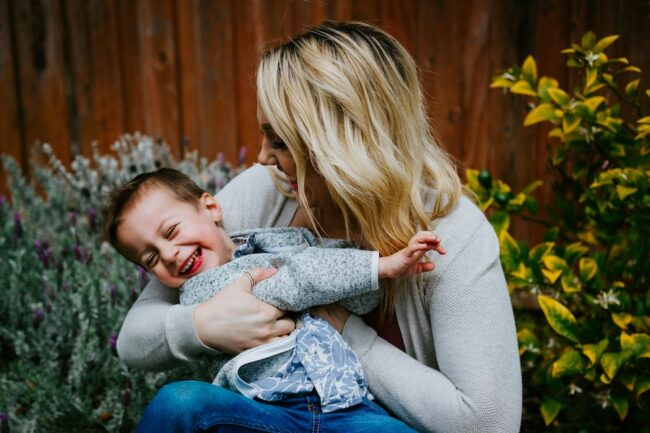
The following is the full text of the statement we delivered during the discussion on the Office of the High Commissioner for Human Rights’ vision to reinforce its work on economic, social and cultural rights, a discussion which has taken place on 15th September 2023 as part of the 54th session of the UN Human Rights Council.
Make Mothers Matter welcomes OHCHR’s vision to reinforce its work on economic, social and cultural rights. We agree that urgent action is needed to deliver these rights in line with the 2030 Agenda.
We regret however that the importance of care and the strengthening of care and support systems as a means to respect and advance the enjoyment of human rights for all, is absent from this vision.
To quote Sec General Guterres, ‘The pandemic has shown us who is doing the work that really matters: nurses, teachers, care workers. As we recover, we need to remember this. It is time to end the inequities of unpaid care work and create new economic models that work for everyone.’
Strengthening care and support systems should be at the heart of such new models, which must be based on Human Rights and serve the wellbeing of both people and the planet.
This means recognizing the essential value of the unpaid and underpaid work of caring, whose inequitable distribution has been a driver of exclusion and discrimination for women and girls, in particular for mothers.
It also means supporting and redistributing this crucial work more equitably, not only between men and women, but also across society.
Care connects to many if not all human rights, in particular economic, social and cultural rights. It concerns all of us. It is time to put care at the centre, and to frame care as a right: right to care and right to be cared for.

 Share
Share Share
Share Print
Print Email
Email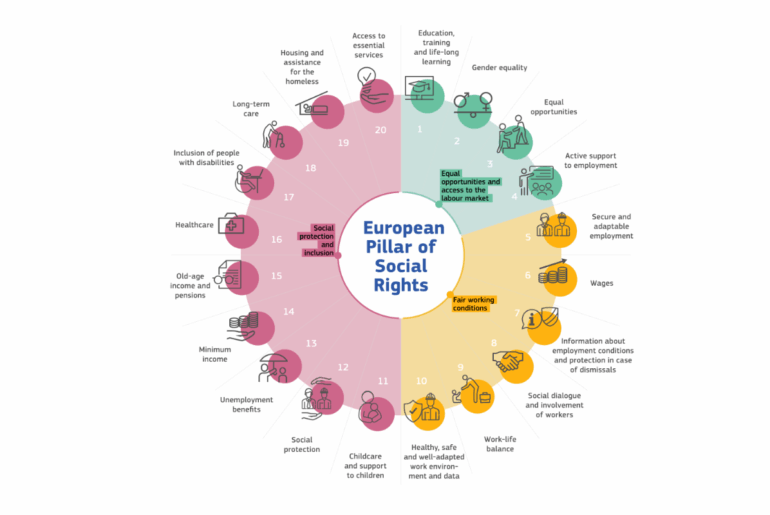
The European Pillar of Social Rights Action Plan
Strengthening Support for Mothers
12.09.25
Our 2024 State of Motherhood in Europe survey of 9,600 mothers across 11 EU Member States and the UK paints a clear picture: motherhood is still not properly recognised or
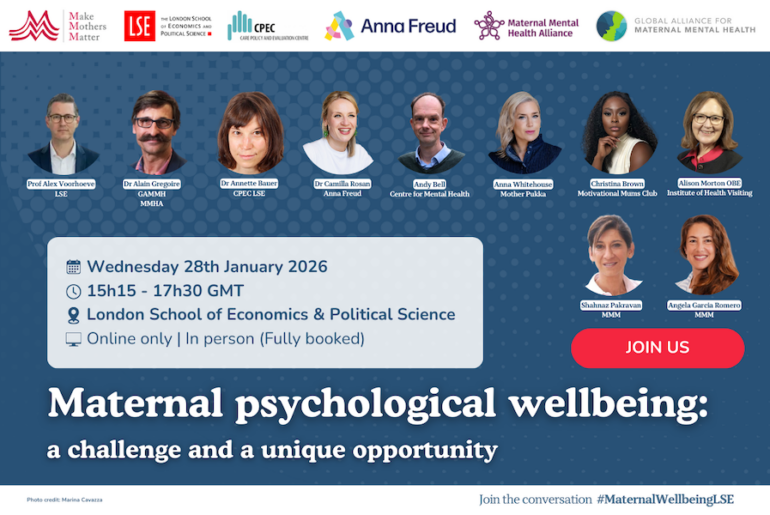
Maternal Psychological Wellbeing: A Challenge and a Unique Opportunity
13.01.26
Wednesday 28 January 2026 | 15:15 – 17:30 GMT London School of Economics & Political Science (LSE) – Live broadcast #MaternalWellbeingLSE Maternal mental health is one of the most pressing

Climate Change: A Maternal Physical and Mental Health Emergency
13.11.25
In the lead-up to the UN climate change conference in Belem, Brazil (COP30), MMM was delighted to collaborate with Dr. Saravanan Thangarajan, a Visiting Scientist & Faculty member at Harvard