EU Gender Equality Strategy 2026–2030 : A major Step Forward for Mothers and Carers
10.03.26
Make Mothers Matter welcomes the publication of the new EU Gender Equality Strategy by the European Commission. The strategy reflects several priorities that MMM has long advocated for, particularly the recognition of the structural challenges mothers and carers face when combining work and family life.
A key focus of the strategy is addressing the persistent gender pay and pension gaps. The Commission acknowledges that many women continue to struggle to reconcile professional and private life because they still carry the largest share of unpaid care and household responsibilities. These responsibilities remain one of the main reasons why women work part-time or leave the labour market altogether.
To address this imbalance, the strategy highlights the importance of flexible working arrangements and adequately paid family leave for parents and carers. Encouraging fathers and male carers to take paternity and parental leave is identified as an essential step towards closing the gender care gap and achieving a more equal sharing of responsibilities within families.
The strategy also stresses the need to expand access to high-quality, affordable childcare and long-term care services. Insufficient care infrastructure in many parts of Europe continues to limit women’s participation in the labour market and reinforces existing gender inequalities.
Particular attention is given to mothers and women facing multiple forms of disadvantage. The gender employment gap remains especially pronounced for mothers, as well as for migrant and Roma women, women with disabilities, and women living in rural areas. Many women also encounter barriers to career progression due to persistent gender stereotypes, discrimination, career interruptions linked to caregiving, and limited access to flexible working arrangements.
 MMM also welcomes the strategy’s commitment to women’s health and wellbeing. The Commission calls for the highest standards of physical and mental health and will launch a Healthy Workplace Campaign on mental health at work and the prevention of psychosocial risks, including sexual harassment and violence.
Another important dimension of the strategy is the recognition that women and girls can be disproportionately affected by crises and emergencies. For example, extreme weather events can create serious health risks for pregnant women and older women, underlining the need for gender-sensitive preparedness and crisis responses.
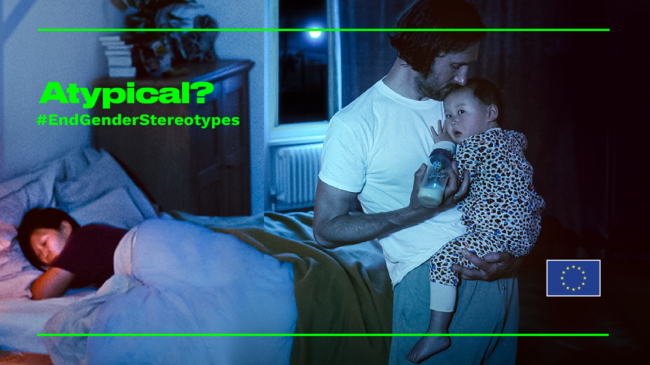
To further promote a more equal sharing of care responsibilities, the Commission also plans to tackle persistent stereotypes that discourage men from taking leave and will strengthen monitoring of men’s uptake of family leave through the work-life balance indicator framework.
Presenting the strategy, Hadja Lahbib, Commissioner for Equality, Preparedness and Crisis Management, stated:
“Gender equality is the engine of strong democracies. Gender equality is not a women’s issue, it benefits everyone. Equality makes our societies more innovative and our economies more competitive.”
MMM welcomes this renewed political commitment and looks forward to working with EU institutions and Member States to ensure that these ambitions translate into concrete progress for mothers, families and societies across Europe.
 Share
Share Share
Share Print
Print Email
Email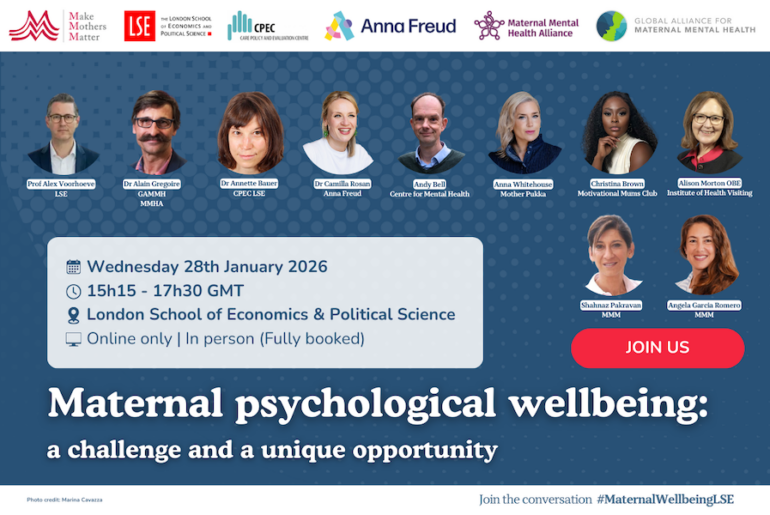
Maternal Psychological Wellbeing: A Challenge and a Unique Opportunity
13.01.26
Wednesday 28 January 2026 | 15:15 – 17:30 GMT London School of Economics & Political Science (LSE) – Live broadcast #MaternalWellbeingLSE Maternal mental health is one of the most pressing

Climate Change: A Maternal Physical and Mental Health Emergency
13.11.25
In the lead-up to the UN climate change conference in Belem, Brazil (COP30), MMM was delighted to collaborate with Dr. Saravanan Thangarajan, a Visiting Scientist & Faculty member at Harvard
Democracy on Hold: The Hidden Penalty for Parliamentarians Who Become Mothers
27.11.25
The European Parliament adopted a legislative resolution on the amendment of the European Electoral act, allowing Members to vote in plenary by proxy voting during pregnancy and after giving birth.