Landmark UN report highlights violence against mothers
04.07.26
UN Geneva – At its 62nd session, the Human Rights Council published the first UN report dedicated exclusively to mothers as right holders.
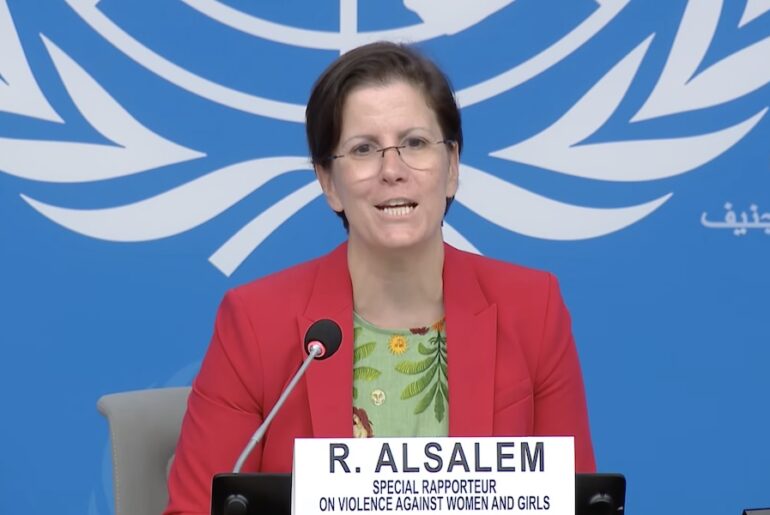
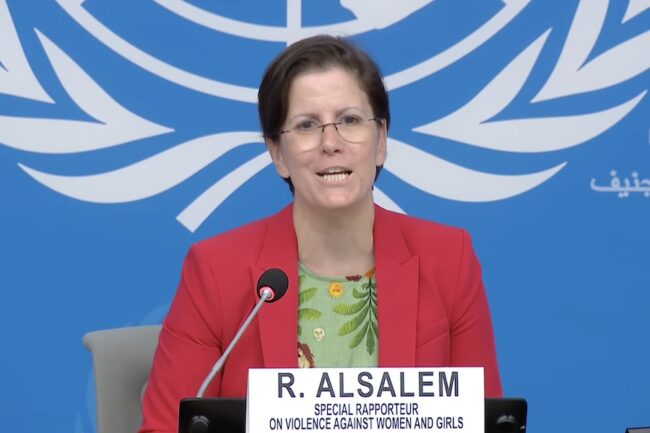
Presented by Reem Alsalem, the UN Special Rapporteur on violence against women and girls, the report documents the widespread and systemic violence experienced by women because of their status as mothers, and calls for comprehensive legal protections and dedicated policies to address this largely invisible phenomenon.
Make Mothers Matter (MMM) warmly welcomes this historic report, to which we contributed alonside 8 of our grassroots member organisations. Below is a summary of its key findings and recommendations.
Motherhood remains undervalued and the mother-child bond overlooked
Despite mothers’ fundamental role in creating and sustaining life, their specific experiences and needs have largely been absent from international human rights discussions.
As the Special Rapporteur notes:
“Motherhood remains largely undervalued and mischaracterised as a purely private choice rather than a public good. Mothers are subjected to multiple and intersecting forms of discrimination, yet remain unrecognised as a distinct category in law, policy and data.”
The report also highlights the growing marginalisation of the mother-child relationship. At the same time, the erosion of female- and mother-specific language in law and public discourse has weakened the recognition of mothers’ rights and protections.
This is particularly evident in situations of armed conflict, where mothers are increasingly targeted, including through reproductive violence, because of their symbolic and practical role in ensuring the future of their communities. Violations of international humanitarian law, together with cuts to humanitarian assistance, have further restricted mothers’ and children’s access to healthcare, contributing to rising maternal and infant mortality.
Violence against mothers is widespread but often invisible
The report documents the many forms of violence mothers experience, including economic violence through the “motherhood penalty” affecting pay and career progression, obstetric and reproductive violence, physical and sexual abuse, and severe psychological harm.
It also stresses the close relationship between harm inflicted on mothers and harm suffered by their children. The report highlights domestic abuse and child custody proceedings as situations in which perpetrators weaponise the mother-child relationship to maintain control over mothers and continue the abuse.
The report acknowledges that some States have introduced positive measures – including constitutional recognition of motherhood, maternity benefits, financial support, and efforts to address historical injustices such as forced child removals.
However, the Special Rapporteur concludes that these initiatives remain fragmented rather than forming coherent, comprehensive policies.
She therefore calls on States to recognise mothers as a distinct group with specific rights and needs, to preserve mother-specific language, to strengthen legal and social protections, to prevent reproductive and obstetric violence, and to promote greater societal recognition of motherhood.
In the words of the Special Rapporteur:
“The social significance of motherhood should be promoted through education and awareness campaigns. Societal attitudes must shift towards greater recognition and support for mothers and those interested in becoming mothers.”
→ Read the UN Special Rapporteur’s report on Violence against mothers (ref. A/HRC/62/49) here and watch the recording of the presentation of the report and the subsequent interactive dialog: part 1 & part 2
MMM’s intervention before the Human Rights Council
During the interactive dialogue following the presentation of the report, MMM expressed its gratitude to the Special Rapporteur and its full support for the report’s conclusions and recommendations.
Responding to concerns raised by several Member States, we also reaffirmed that motherhood is one of the many roles women play in society. Recognising mothers does not reduce women to a single identity. Rather, it ensures that the realities of motherhood are reflected in laws, policies and institutions that promote gender equality – in the workplace, in public life and across society.
 Read MMM’s full statement
The Maternal Gap: how systems fail mothers–and what must change
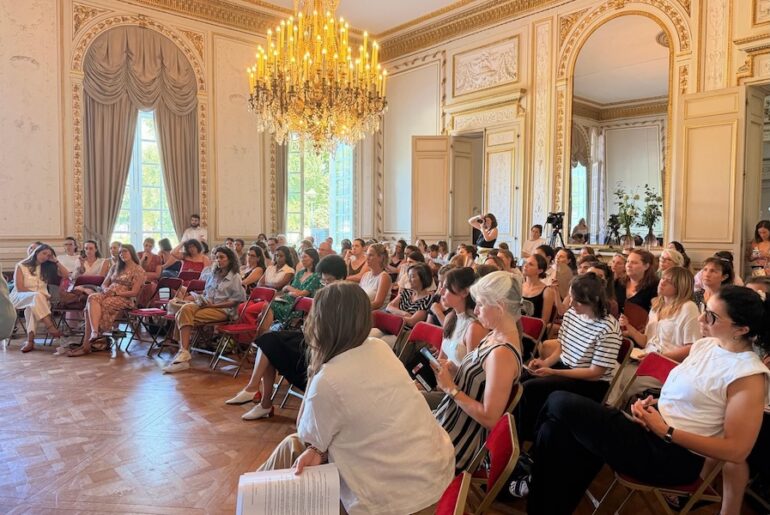
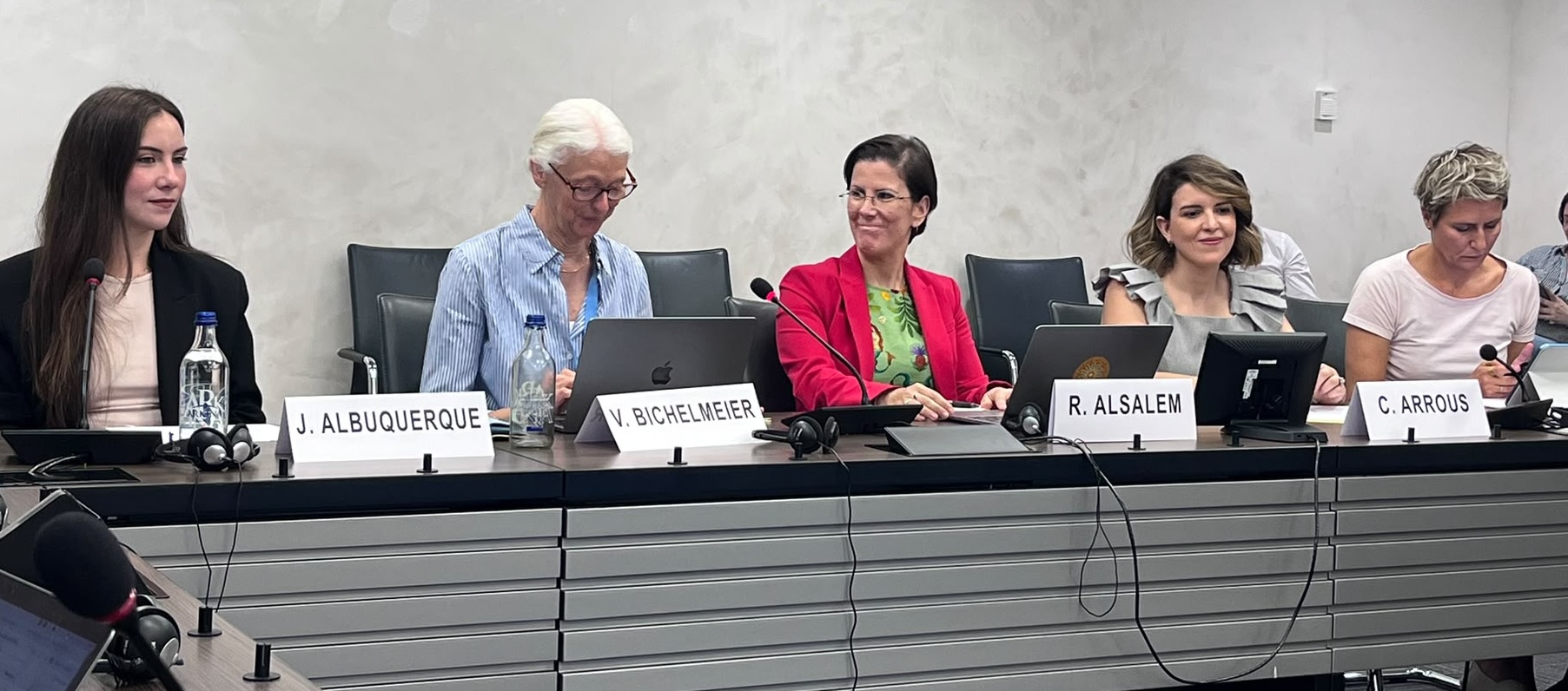
In addition to contributing to the report, Valerie Bichelmeier, MMM Vice-President and Head of Advocacy at the UN, was invited to speak at the side event organised by the Special Rapporteur on 25 June, entitled The Maternal Gap: How Systems Fail Mothers and What Must Change.
She explained that mothers face systemic disadvantages that extend far beyond pregnancy and the postnatal period. Employment and social protection systems, she argued, continue to overlook the broader social and economic consequences of motherhood.
She highlighted the persistent “motherhood penalty” – including discrimination, lower earnings, the disproportionate share of unpaid care work, poorer mental health and increased exposure to violence – while noting that these realities remain insufficiently measured and inadequately addressed.
She called for comprehensive reforms, including stronger maternity and caregiving protections, family-friendly workplaces, greater recognition of unpaid care work, and a broader cultural shift towards more equal sharing of caregiving responsibilities. Above all, she stressed the need to ensure that mothers’ experiences are fully reflected in laws, policies and institutions, and placed at the heart of gender equality efforts.
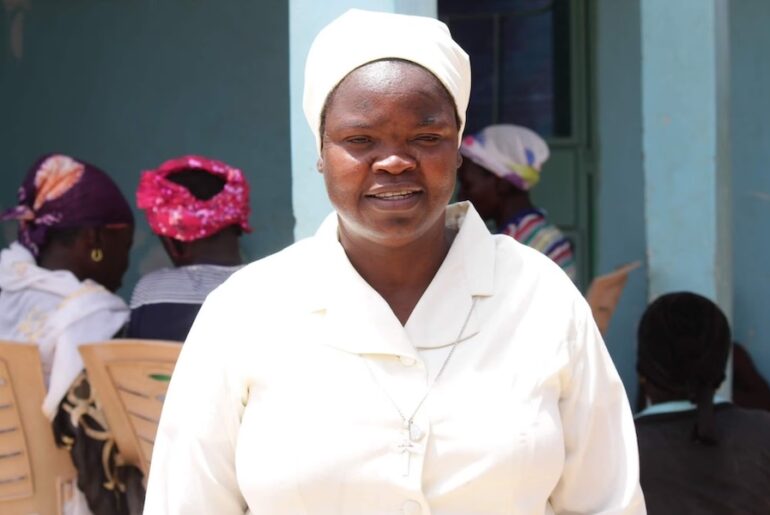
Other speakers addressed the specific challenges faced by migrant mothers and the misuse of child custody proceedings as a form of abuse. Mothers from Palestine and Colombia also delivered powerful and deeply moving testimonies about the violence they have endured.
Make Mothers Matter hopes that this landmark UN report marks the beginning of sustained international action to address violence against mothers. By recognising mothers’ specific experiences and ensuring they are reflected in laws, policies and institutions, we can build employment and social protection systems that truly work for mothers and make meaningful progress towards gender equality.
 Share
Share Share
Share Print
Print Email
Email
Europe Must Listen to Mothers: Our landmark report heads to the European Parliament
28.08.25
On 22 September 2025, the voices of mothers will take centre stage in Brussels. For the first time, Make Mothers Matter (MMM) will present its State of Motherhood in Europe
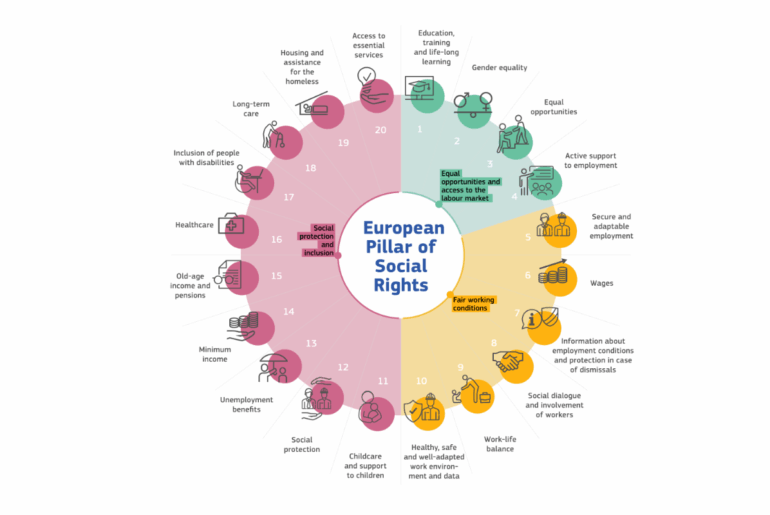
The European Pillar of Social Rights Action Plan
Strengthening Support for Mothers
12.09.25
Our 2024 State of Motherhood in Europe survey of 9,600 mothers across 11 EU Member States and the UK paints a clear picture: motherhood is still not properly recognised or
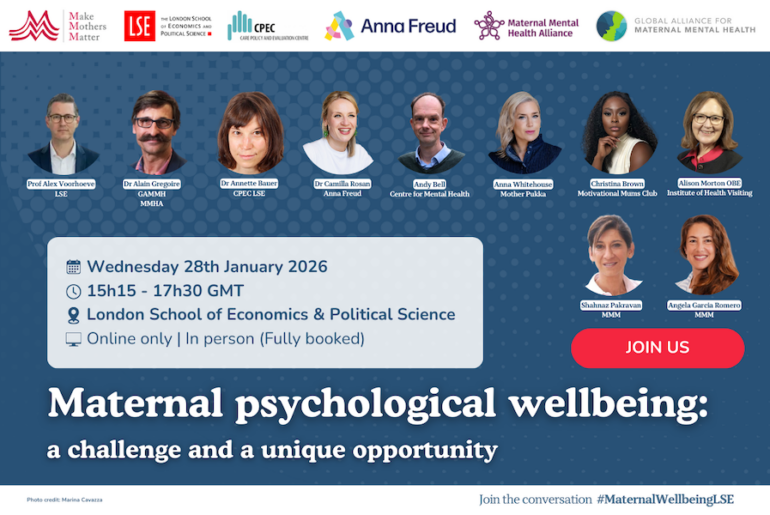
Maternal Psychological Wellbeing: A Challenge and a Unique Opportunity
13.01.26
Wednesday 28 January 2026 | 15:15 – 17:30 GMT London School of Economics & Political Science (LSE) – Live broadcast #MaternalWellbeingLSE Maternal mental health is one of the most pressing