Make Mothers Matter calls for action on Maternal Mental Health at EU Summit
07.06.25
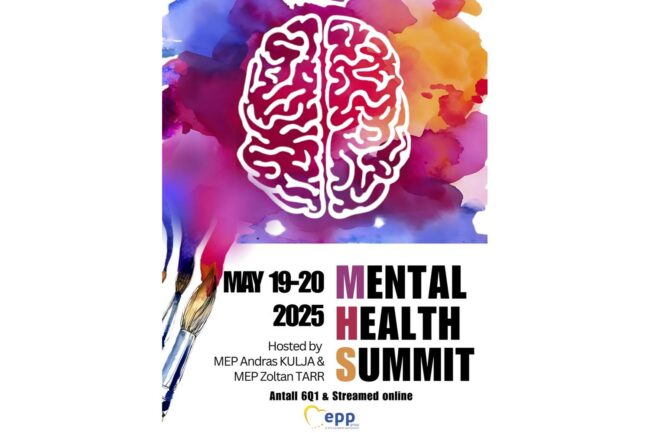
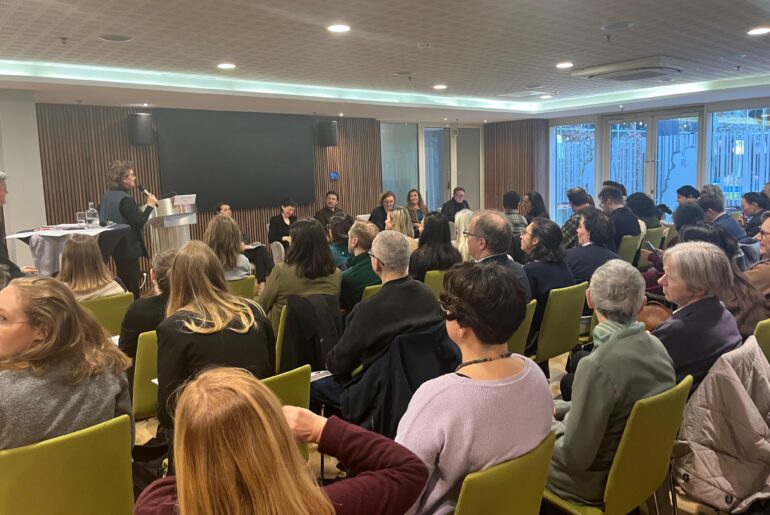
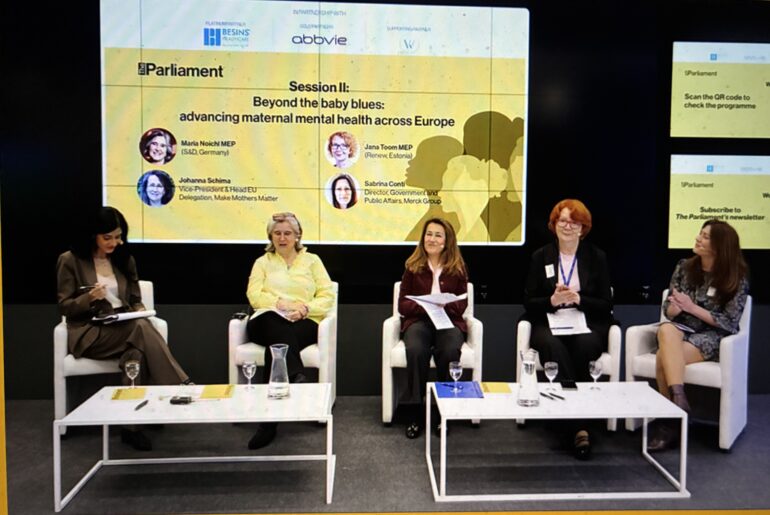
As part of European Mental Health Week, Members of the European Parliament (MEPs) András Kulja and Zoltán Tarr (both EPP) hosted a two-day Mental Health Summit on Prevention and Recovery in Modern Society at the European Parliament. Make Mothers Matter (MMM) contributed to the vital discussions, that are expected to shape future EU policies on mental health, with a special emphasis on maternal well-being.
A Pan-European Summit with a Global Message
Day one of the summit focused on the impact of war, displacement, and crisis on mental health—placing particular emphasis on the experiences of displaced Ukrainians and refugees. Panels explored breaking the stigma surrounding mental health and addressed EU policies on crisis recovery and community resilience.
Day two shifted toward prevention and the role of culture in promoting mental well-being. Experts discussed how artistic and cultural engagement—such as art, dance, and storytelling—can act as powerful tools in mental health prevention and treatment. Conversations also addressed gender disparities in diagnosis, treatment, and access to care.
MMM Puts Maternal Mental Health on the EU Agenda
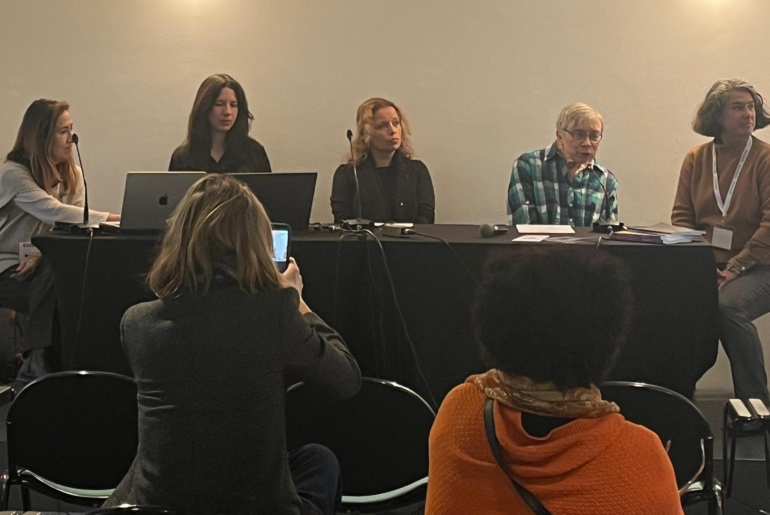
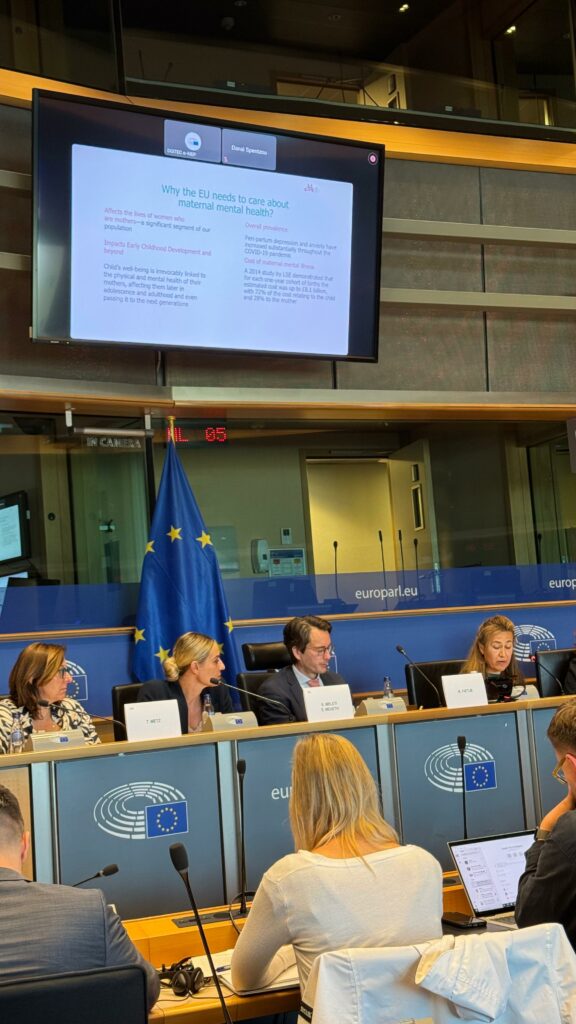 On the second day of the summit, during Panel Three: The Gender Gap in Mental Health Care—skilfully moderated by Nils Fietje from WHO Europe—we strongly advocated for the urgent prioritisation of maternal mental health, emphasising it as the foundation of mental well-being across all life stages, from infancy to adulthood.
The panel also featured an intervention by Dr. Rarita Zbranca (Programme Director at the Cluj Cultural Centre and lead author of the CultureForHealth report), who presented existing evidence on the positive effects of arts and cultural activities on health and well-being. She highlighted a concrete intervention addressing postpartum depression through group singing.
Additionally, the panel included deeply personal, emotional, and powerful contributions from Members of the European Parliament (MEPs), who shared their own lived experiences:
- MEP Eleonora Meleti (EPP) spoke movingly about her journey through the postpartum period, offering a heartfelt account of her struggles and resilience.
- MEP Tilly Metz (GREENS) shared her own challenges during and after pregnancy, speaking not just about the emotional toll and the vulnerability women often face during this period—but also about the empowerment and strength that can emerge from becoming a mother.
- MEP Gabriella Gerzsenyi (EPP) reflected on how becoming a mother reshaped her perspective, reinforcing the need for policy that truly supports parents.
- Finally, our host, MEP András Kulja (EPP), spoke about his wife and his small baby at home, expressing his commitment to supporting them—even when the demands of his role keep him away. His words underscored the shared responsibility of both parents in mental health and caregiving.
Collectively, the MEPs sent a strong and united message: a clear commitment to supporting mothers during this critical period. They called for maternal mental health to be firmly embedded in the EU agenda as a matter of public health.
Backed by compelling data, MMM revealed that:
- 1 in 5 women globally experience mental health issues during or up to one year after pregnancy.
- Maternal mental illness is the leading cause of maternal death, surpassing medical complications such as preeclampsia and postpartum hemorrhage.
- 70% of untreated cases result in persistent depression and anxiety.
- Children of mothers who struggle with mental health are twice as likely to face lifelong emotional and behavioral challenges.
These insights were reinforced by MMM’s recent and extensive EU-wide survey of 12,600 mothers, which found that half of all mothers reported experiencing mental health issues, such as anxiety, depression, and burnout. The survey also revealed the critical role of social support: many women feel under-supported, often sacrificing their own well-being due to lack of time and resources.
Exposing Inequality in Maternal Mental Health
MMM emphasised that women most affected include women of colour, single mothers, low-income women, migrants, and those facing domestic violence. The emotional load these women carry—including fear, shame, and social isolation—often passes on to their children, perpetuating a cycle of disadvantage.
 A study by the London School of Economics (LSE) found that untreated maternal mental illness costs the UK £8.1 billion, with 72% of that impact borne by the child.
A Call to Action
MMM issued a strong call to EU policymakers to treat maternal mental health as a societal—not individual—issue. Our recommendations included:
- Making mental health an essential component of maternal care.
- Ensuring accessible, integrated, and affordable services across member states.
- Introducing clinical guidelines and mandatory perinatal mental health training for medical professionals.
- Allocating funding for prevention, community outreach, and monitoring.
- Addressing social determinants of health such as poverty, violence, and inequality.
- Breaking the stigma by amplifying the voices of mothers.
MMM also raised key issues highlighted in a video message by partners of the World Association for Infant Mental Health and the Alliance for Perinatal and Family Mental Health, including ending the unjustified separation of children from mothers due to mental health struggles, histories of violence, or lack of support. The organization advocated for evidence-based, compassionate alternatives that keep families together and focus on healing, not punishment.
Building Awareness and Breaking Silence
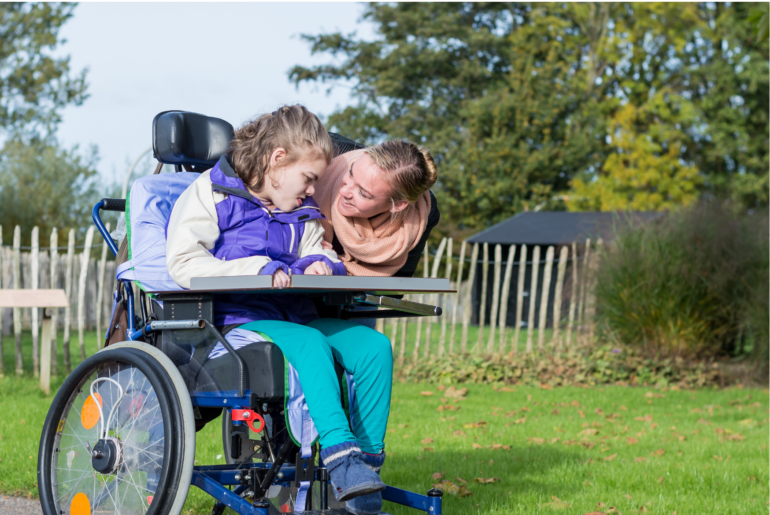
MMM is actively working to destigmatise maternal mental health through a video series with experts (Breaking the Silence on Maternal Mental Health) and through initiatives such as its project with Assist, focusing on mothers with disabilities.
As MMM stated during the summit:
“Mothers are the backbone of society. Their mental health lays the foundation for children, adolescents, and adults. When mothers suffer, their babies struggle, adolescents break, and entire societies bear the consequences.”
Contributing to the EU Mental Health Agenda
The summit’s discussions are expected to inform ongoing EU policy debates, contributing to the European Commission’s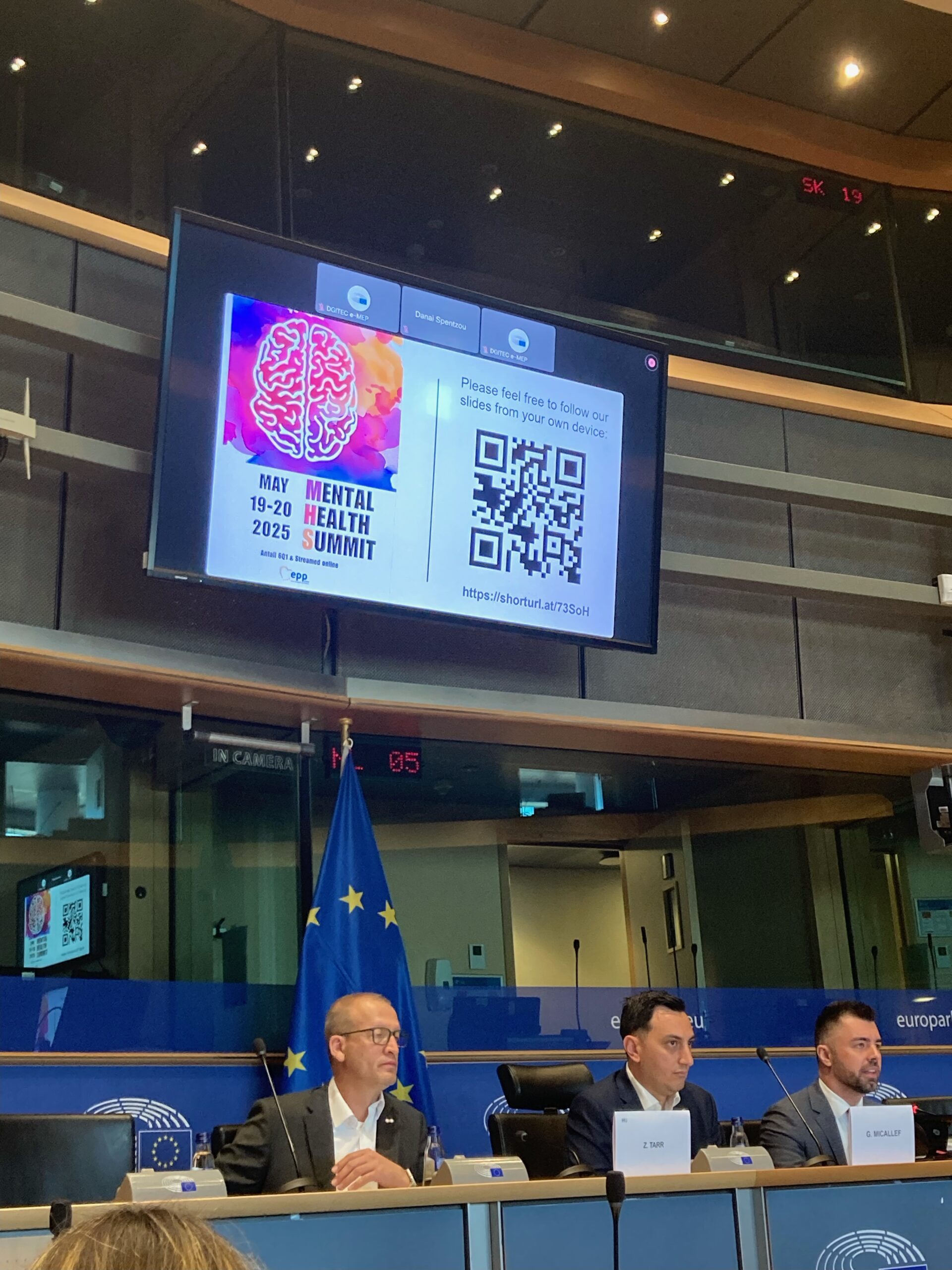 Comprehensive Approach to Mental Health. A key outcome of the summit is a renewed call for a dedicated EU Mental Health Action Plan, especially focused on youth mental health.
In this context, MMM reminded all attendees:
“There is no child, youth, or adult mental health without maternal mental health.”
 Share
Share Share
Share Print
Print Email
Email
Europe Must Listen to Mothers: Our landmark report heads to the European Parliament
28.08.25
On 22 September 2025, the voices of mothers will take centre stage in Brussels. For the first time, Make Mothers Matter (MMM) will present its State of Motherhood in Europe
Belgian Mothers Face Alarming Rates of Burnout and Perinatal Depression, New EU Survey Finds
03.07.25
Belgian mothers are facing a mental health crisis. According to the State of Motherhood in Europe 2024 survey by Make Mothers Matter (MMM) and Kantar, Belgium reports the highest rates
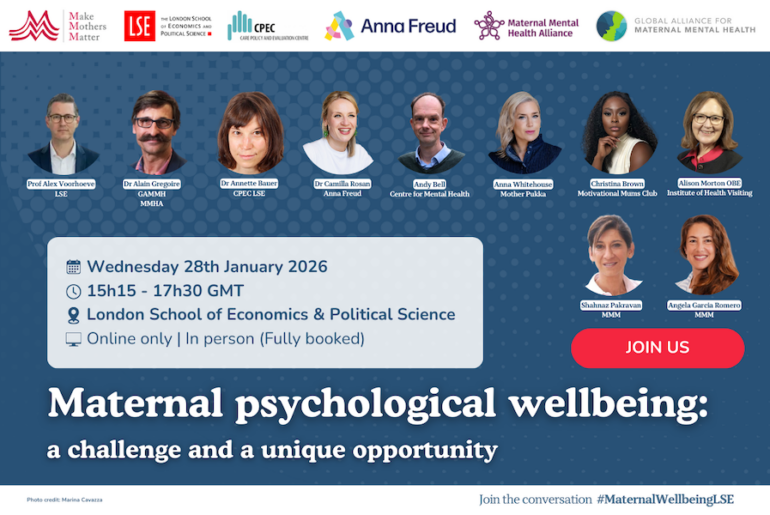
Maternal Psychological Wellbeing: A Challenge and a Unique Opportunity
13.01.26
Wednesday 28 January 2026 | 15:15 – 17:30 GMT London School of Economics & Political Science (LSE) – Live broadcast #MaternalWellbeingLSE Maternal mental health is one of the most pressing