Right to Education: Putting mothers and families at the heart of the UN process
08.09.26
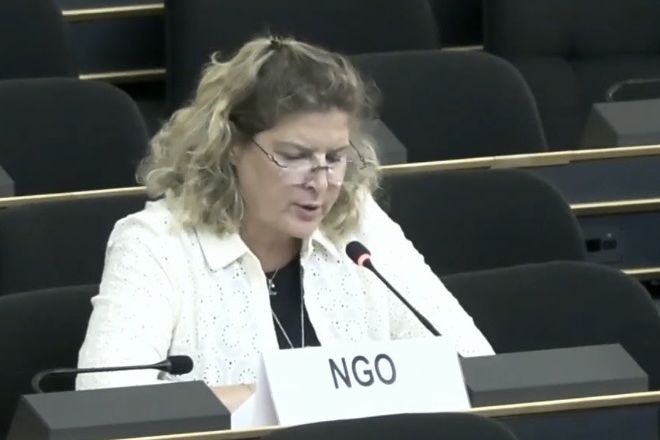
UN Geneva — Make Mothers Matter (MMM) took part in the second session of the UN Open-ended Intergovernmental Working Group examining a new Optional Protocol to the Convention on the Rights of the Child (CRC), aimed at strengthening the right to education from early childhood through secondary school.
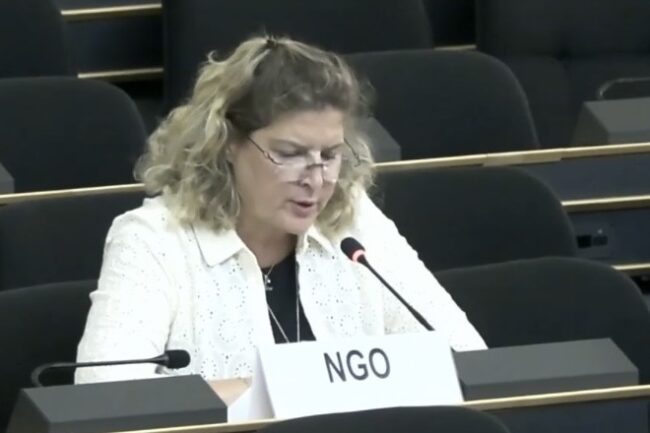
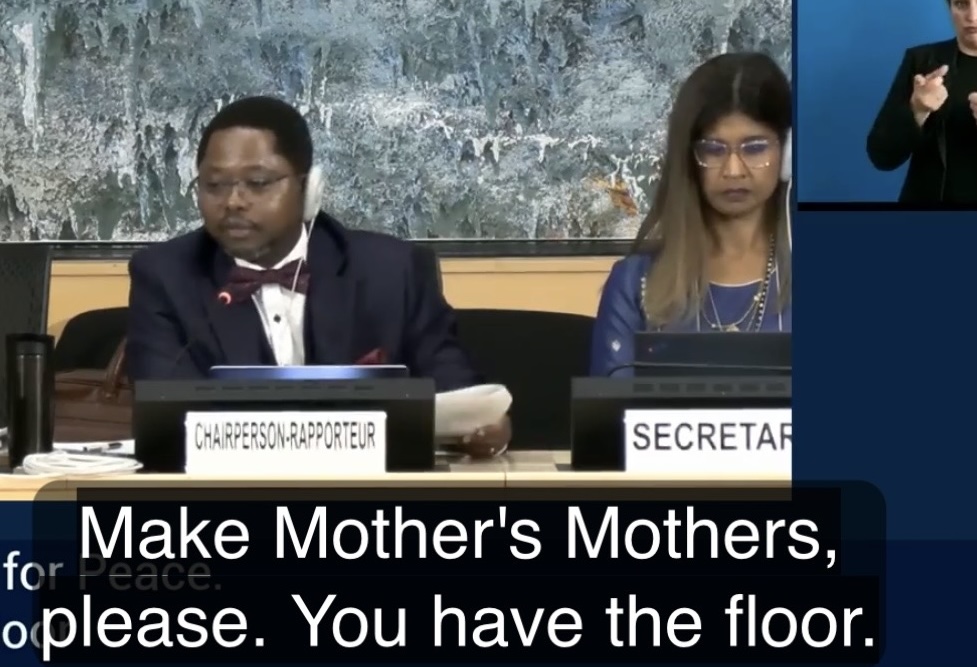
Held from 31 August to 2 September 2026 at the Palais des Nations in Geneva, the session brought together States, UN experts, children’s representatives and civil society organisations to advance discussions on the scope and key principles of a potential new international legal instrument.
At the heart of the negotiations is an important ambition: to explicitly recognise early childhood care and education as part of the right to education, while strengthening the commitment to free public pre-primary and secondary education.
Education starts long before school
Make Mothers Matter reaffirmed its strong support for the development of a fourth Optional Protocol to the CRC, while stressing that children’s right to education cannot be considered in isolation from the families and caregivers who support their development every day.
Parents are children’s first educators. From the earliest years through secondary school, they play a crucial role in supporting learning, responding to difficulties, making educational choices and creating the conditions children need to thrive.
This responsibility continues to be disproportionately carried by mothers, who perform a significant share of unpaid care and educational work worldwide.
For MMM, recognizing children as rights-holders must therefore go hand in hand with recognising and supporting parents — and particularly mothers — as essential partners in fulfilling the right to education.
Making “free education” truly free
MMM also highlighted the importance of looking beyond tuition fees.
Transport, school meals, books, uniforms, digital equipment and other education-related expenses can place a considerable burden on families. These hidden costs may prevent children from fully enjoying their right to education, particularly in low-income and single-parent households.
Ensuring free education therefore means addressing the real costs faced by families and ensuring that financial circumstances do not determine a child’s educational opportunities.
A continuum from early childhood to secondary education
The proposed Optional Protocol offers an important opportunity to strengthen the understanding of education as a continuum beginning in early childhood.
Early Childhood Care and Education (ECCE) is particularly important in this regard. Education, care, health, nutrition and protection are deeply interconnected during the first years of life. Investing in accessible, quality ECCE benefits children while also supporting parents and caregivers.
Likewise, guaranteeing free secondary education can help reduce inequalities, expand opportunities for young people and support the empowerment of girls and women.
Keeping mothers and families at the heart of the process
The second session marked another important step in an international process that is still taking shape. Discussions will continue as States work towards defining the scope and content of a possible new Optional Protocol.
Make Mothers Matter will continue to actively engage in this process to ensure that the voices and realities of mothers and families are taken into account.
Strengthening children’s right to education is not only about opening the school door. It is about creating the conditions that allow every child to learn and thrive — while recognising and supporting the parents, caregivers and especially the mothers who make that journey possible every day.
 Read MMM Statement on recognising the role of parents in formal education
 Share
Share Share
Share Print
Print Email
Email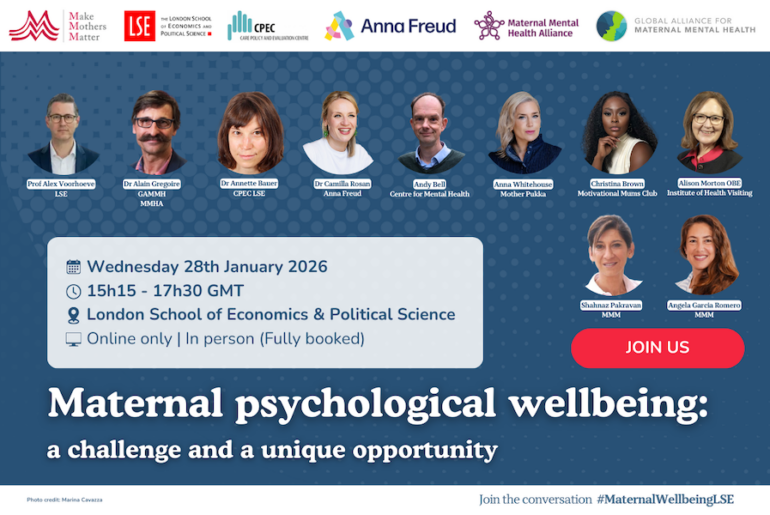
Maternal Psychological Wellbeing: A Challenge and a Unique Opportunity
13.01.26
Wednesday 28 January 2026 | 15:15 – 17:30 GMT London School of Economics & Political Science (LSE) – Live broadcast #MaternalWellbeingLSE Maternal mental health is one of the most pressing

Climate Change: A Maternal Physical and Mental Health Emergency
13.11.25
In the lead-up to the UN climate change conference in Belem, Brazil (COP30), MMM was delighted to collaborate with Dr. Saravanan Thangarajan, a Visiting Scientist & Faculty member at Harvard
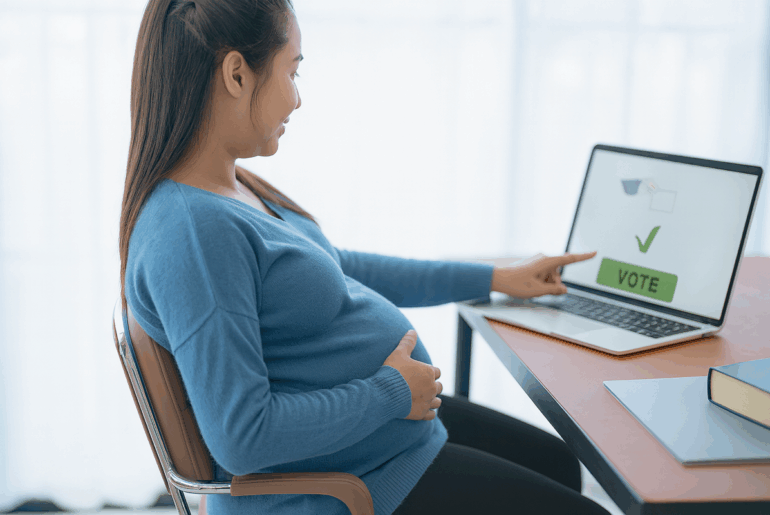
Democracy on Hold: The Hidden Penalty for Parliamentarians Who Become Mothers
27.11.25
The European Parliament adopted a legislative resolution on the amendment of the European Electoral act, allowing Members to vote in plenary by proxy voting during pregnancy and after giving birth.