Parents as Partners in Education
Our member EPA: Celebrating 40 Years of Advocacy
07.06.25
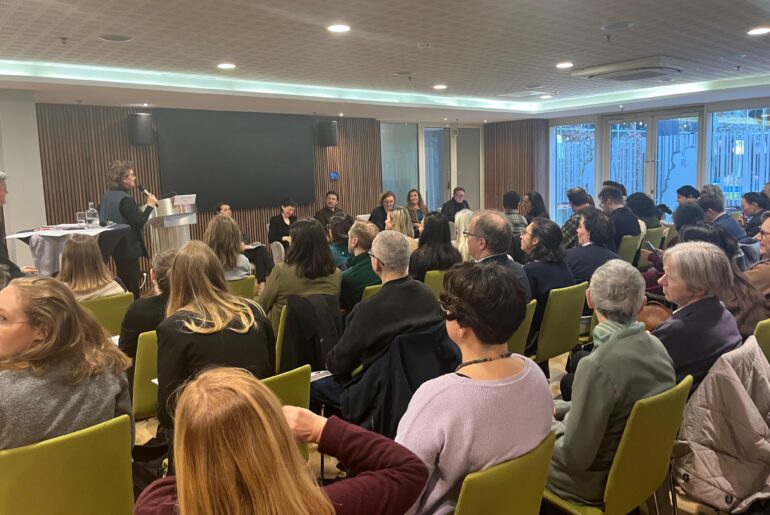
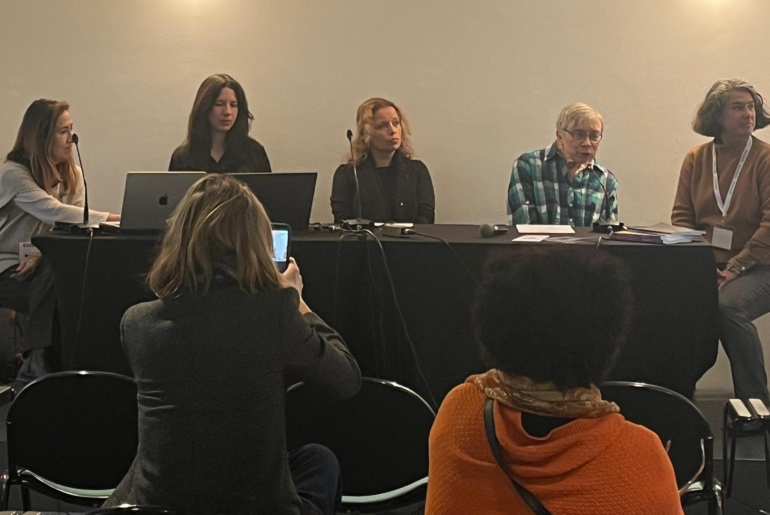
Make Mothers Matter was delighted to celebrate and participate in the 40th Anniversary and International Conference of our member, the European Parents’ Association (EPA), hosted by the European Economic and Social Committee in Brussels.

This event gathered key voices from across Europe to reflect on four decades of parental engagement in education—and to look boldly ahead to the future.The conference featured two insightful panel discussions that spotlighted both the progress made and the pressing challenges still facing families, schools, and societies.
From Classroom to Community: 40 Years of Parents Shaping Education
The first panel, “From Classroom to Community: 40 Years of Parents Shaping Education”, explored the evolving role of parents in educational systems across Europe. Discussions addressed the many facets of parental involvement—from fostering effective teacher-parent relationships to navigating the digital transition, embracing inclusive education, and adapting to the impacts of social change.
Speakers brought research, personal stories, and best practices to the table, underscoring a shared belief: that strong, supportive ties between families and schools are essential to student success. With parental engagement increasingly recognised as a vital factor in educational outcomes, this panel offered both inspiration and practical strategies to continue building those bridges.
UNESCO
 The event featured a keynote speech by Mr. Gwang-Choi Chang, Chief of the Education Policy Section at UNESCO, who took us on a journey through the evolution of education in Europe. He highlighted the significant progress made since 1985, noting that investment in education across Europe now averages around 4.7% of GDP. Encouragingly, early childhood education has seen a marked increase.
Mr. Chang also emphasised the growing role of parents in education, while pointing out a critical gap: too often, parental involvement is overlooked in education policy and planning. Few education systems, he noted, actively support parents during key transition periods—such as the move from home to pre-primary, and from pre-primary to primary school—despite the vital role parents play in ensuring continuity and well-being throughout a child’s educational journey.
Parent Representation in a Changing World: Co-Creating a Better Future
The second panel, “Parent Representation in a Changing World: Co-Creating a Better Future”, delved into some of today’s most urgent educational challenges—mental health, the shortage of teachers, and the rise of artificial intelligence—and how parents can be part of the solution.
Make Mothers Matter contributed to the discussion, reminding attendees of a foundational truth:
“Education does not begin in the classroom. It begins at home—in stories told, in values passed down, and in the quiet strength of caregiving.”
As a global network defending the rights of mothers and recognising them as the first and most consistent educators in a child’s life, this is a truth we hold close. And it is one that is increasingly backed by research.
Families at the Heart of Education
The recently published EU Action Plan on Basic Skills reinforces what we have long known: parental engagement is one of the strongest predictors of student success—especially for children facing disadvantage. The Plan explicitly identifies a lack of parental involvement as a contributing factor in the decline of foundational skills across Member States.
Both the Action Plan and Make Mothers Matter advocate for policies and programmes that reflect the complexity of modern families. That means working across sectors—healthcare, migration services, child protection—and supporting parents holistically. It also means shifting focus away from narrow academic performance, and toward the broader well-being and development of every child.
Empowering Parents, Empowering Children
 At MMM, we believe that when mothers are empowered, children and communities thrive. Agency is key: parents need access to accurate information, meaningful training, strong support networks, and recognition of the unique insight they bring. They must be treated not just as stakeholders—but as partners and co-creators of education.
Of course, families cannot do this alone. As the EU Action Plan emphasises, we need to build environments around them—supportive, multi-stakeholder ecosystems that include libraries, museums, sports clubs, community organisations, and more.
When parents are included, schools become more relevant, more compassionate, and more resilient. Inclusion begins with connection. And true educational reform begins when policymakers, educators, civil society, and families join forces.
 Share
Share Share
Share Print
Print Email
Email
Europe Must Listen to Mothers: Our landmark report heads to the European Parliament
28.08.25
On 22 September 2025, the voices of mothers will take centre stage in Brussels. For the first time, Make Mothers Matter (MMM) will present its State of Motherhood in Europe
Belgian Mothers Face Alarming Rates of Burnout and Perinatal Depression, New EU Survey Finds
03.07.25
Belgian mothers are facing a mental health crisis. According to the State of Motherhood in Europe 2024 survey by Make Mothers Matter (MMM) and Kantar, Belgium reports the highest rates
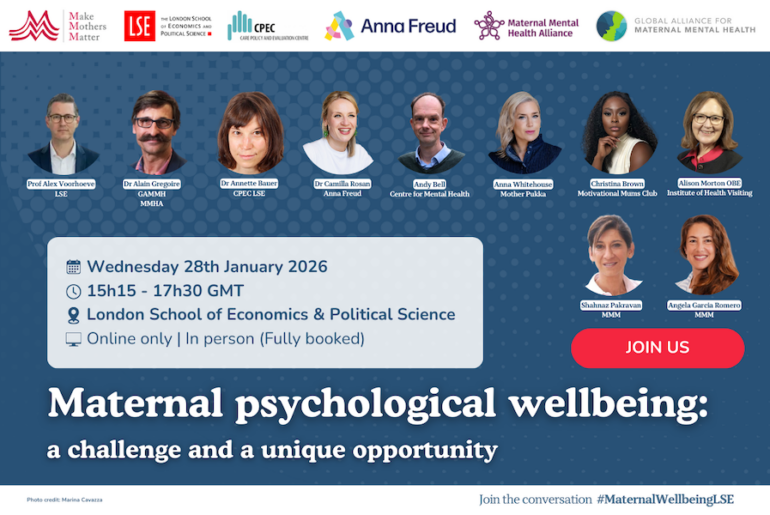
Maternal Psychological Wellbeing: A Challenge and a Unique Opportunity
13.01.26
Wednesday 28 January 2026 | 15:15 – 17:30 GMT London School of Economics & Political Science (LSE) – Live broadcast #MaternalWellbeingLSE Maternal mental health is one of the most pressing