Mothers and the Economy
With their work and personal investment in their families and their children, all mothers, whether they are in paid employment or not, make a vital contribution to the economy of their country.
MMM advocates to give value to this unpaid family care work, working primarily for a better balance of family life and professional life. “Care” work must be given much more credit and should not be an obstacle to gender equality and the economic independence of mothers.
Unpaid family care work: vital but invisible and unrecognized
Its financial value is estimated between 10 and 40% of GDP and 2/3 of this work is assumed by women, specifically mothers. It is the first obstacle to their economic empowerment.

MMM in action
Awareness raising and advocacy on the issue of unpaid family care work: recognise, reduce & redistribute
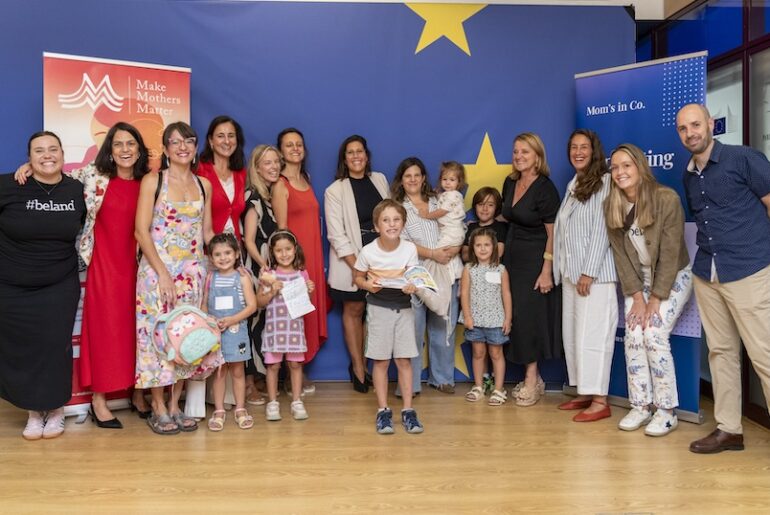
Motherhood: the forgotten challenge of equality
02.10.26
Last Monday, 21 September, a very special event took place in Madrid. For the first time at the European Parliament Office in Spain, we held an event dedicated exclusively to
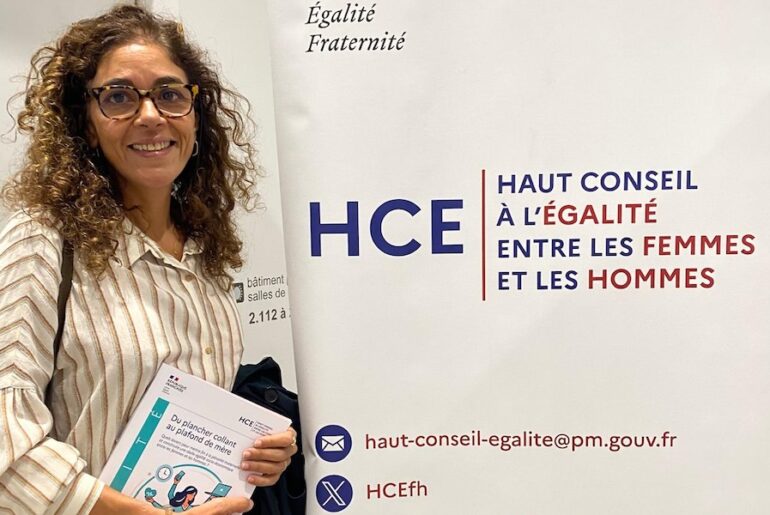
Motherhood Penalty: Care Is Not a Private Matter
17.09.26
The report published on 9 September by France’s High Council for Equality between Women and Men (HCE),

Discrimination in the economic sphere: the “motherhood penalty”
Beyond the first structural obstacle of unpaid family work, women around the world suffer from barriers, sometimes legal, often purely discriminatory - especially when they are mothers
Reconciliation between family and professional life
MMM defends women’s (and men’s!) free choice to be able to devote time to their family responsibilities - without being heavily penalised.
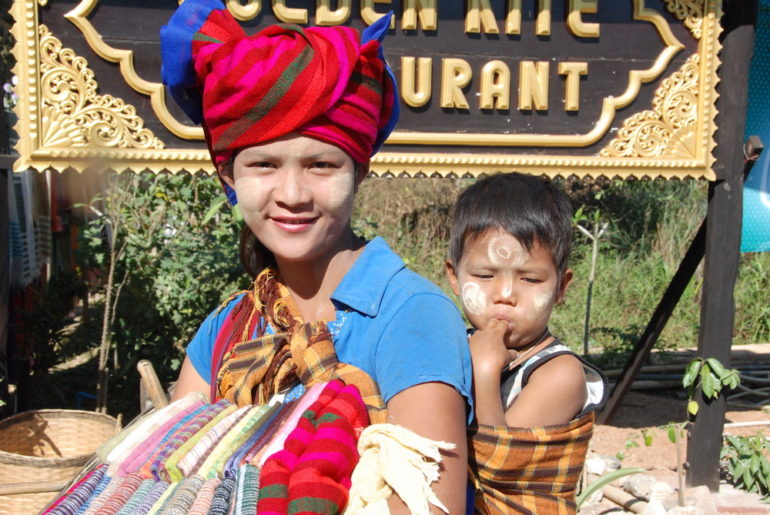
Reconciliation of Family Life and Work
Advocacy for policies of reconciliation between family life and professional life for all - a key area of work at the European level, mais an issue for every mother around the world.
Motherhood: the forgotten challenge of equality
02.10.26
Last Monday, 21 September, a very special event took place in Madrid. For the first time at the European Parliament Office in Spain, we held an event dedicated exclusively to
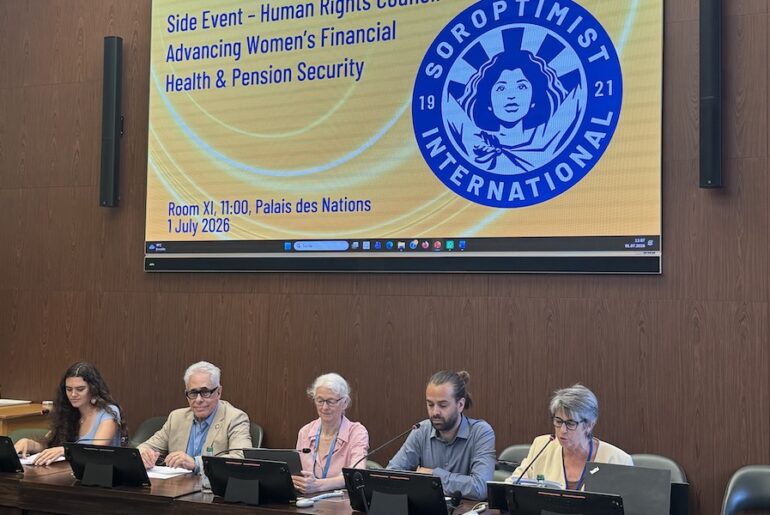
Motherhood at the heart of women’s financial insecurity in old age
06.07.26
UN Geneva – Promoting women’s financial health and pension security was the theme of a side event organised by Soroptimist International on 1 July, on the margins of the 62nd