Prioritising mothers in the 2026-2030 EU Gender Equality Strategy
14.08.25
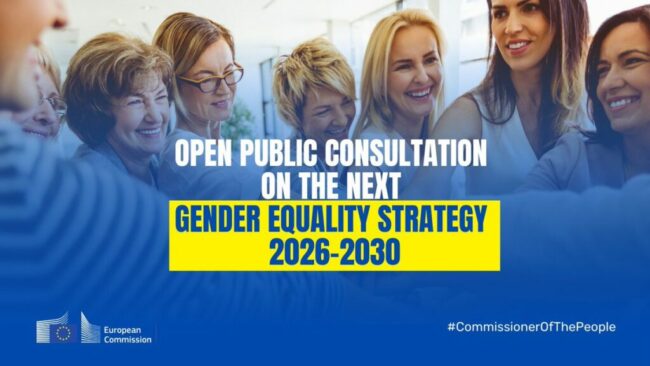
Make Mothers Matter welcomes the opportunity to contribute to the 2026–2030 Gender Equality Strategy. Mothers are the backbone of society, yet their rights and needs remain insufficiently recognised in EU policymaking.
Despite progress, mothers continue to face systemic inequalities and intersectional discrimination, particularly in three urgent areas:
- Unpaid care work
- Economic and financial barriers
- Insufficient support for vulnerable groups
Within these challenges, several groups of mothers require specific attention:
- Single mothers
- Mothers with disabilities
- Migrant mothers
- EU-mobile mothers
- Mother entrepreneurs
Evidence from MMM member organisations and our recent survey of 9,600 mothers across Europe confirms persistent challenges – including labour market discrimination, unequal distribution of unpaid care work, economic and social penalties, and lack of recognition.
Key findings from our 2024 European survey show:
- 55% of mothers changed their employment status after having children
- 27% report negative impacts on their careers
- Few benefit from flexible working options
- Only one in three fathers take their full paternity leave
- Many mothers are dissatisfied with maternity leave and allowances
- 67% feel overloaded, and 59% report mental health issues
MMM calls for the new Strategy to fully integrate and prioritise mothers by:
- Mainstreaming their needs in all gender equality policies and frameworks
- Ensuring investments address motherhood-related inequalities
- Strengthening enforcement and accountability at national and local levels
- Developing EU-wide campaigns against discrimination targeting mothers
- Creating dedicated action plans within both the EU Care Strategy and the EU Mental Health Strategy, focussing on mothers as primary carers
- Promoting an equal sharing of care work between genders and across society
- Recognising unpaid care as indispensable to both the economy and social cohesion
MMM stresses that meaningful implementation of existing EU frameworks, increased investment, and stronger accountability are essential to deliver real progress. Care work must be shared more fairly, and the EU must amplify mothers’ voices while tackling the structural and cultural barriers that drive inequality.
Access our full contribution here.
 Share
Share Share
Share Print
Print Email
Email
Maternal Psychological Wellbeing: A Challenge and a Unique Opportunity
13.01.26
Wednesday 28 January 2026 | 15:15 – 17:30 GMT London School of Economics & Political Science (LSE) – Live broadcast #MaternalWellbeingLSE Maternal mental health is one of the most pressing

Climate Change: A Maternal Physical and Mental Health Emergency
13.11.25
In the lead-up to the UN climate change conference in Belem, Brazil (COP30), MMM was delighted to collaborate with Dr. Saravanan Thangarajan, a Visiting Scientist & Faculty member at Harvard
Democracy on Hold: The Hidden Penalty for Parliamentarians Who Become Mothers
27.11.25
The European Parliament adopted a legislative resolution on the amendment of the European Electoral act, allowing Members to vote in plenary by proxy voting during pregnancy and after giving birth.