Recognising mothers, advancing human rights – MMM at HRC61
12.03.26
UN Geneva – The UN Human Rights Council is a vital space for bringing key issues into global discussions across a range of topics, and highlighting how recognition and support for mothers can contribute to advancing human rights. Here is a look back at MMM’s engagement in the 61st Session.
Peace begins in the home – It flourishes when mothers are empowered
At the Panel discussion on human rights and a culture of peace, MMM representative Caroline Leroux-Hatt emphasised that mothers through their daily care, are fundamental peacebuilders who shape children’s attitudes toward empathy and non-violence. We called for recognising, redistributing and supporting care work, not only as a matter of social responsibility, but also a strategic investment in lasting peace and development.

Investing in mothers and care must be a central priority in budgetary decisions and public policy.
Speaking at the Panel discussion on financing sustainable development in line with economic, social and cultural rights obligations, MMM Vice-President and head of UN advocacy Valerie Bichelmeier called for prioritising long-term and high return investments, reminding that supporting mothers is one such investment – with multiplier effects.
- Supporting mothers by recognising and more fairly redistributing unpaid care work addresses a root cause of gender inequality, and unlocks women’s full economic and social participation and advances their rights.
- Mothers are the primary architects of early childhood development. To provide the nurturing care children need to thrive, mothers must be empowered with adequate income security, supportive policies, and parenting resources.
Investing in mothers is investing in both children – our shared future – and gender equality – a cornerstone of sustainable development and lasting peace.
Protecting the rights of children and women in the context of air pollution cannot remain optional
Commenting on the report of the Special Rapporteur on the human right to a clean, healthy and sustainable environment, Karen Thorsen, MMM representative in Geneva, hightlighted the indirect impacts of air pollution on mothers and other caregivers, which include additional unpaid care work, heightened stress and mental health challenges – critical points that were overlooked in the report.
Karen also pointed to the disproportionate life-threatening impact of air pollution on children, especially during pregnancy and early childhood – with lasting consequences on their health, development, wellbeing, education, and future potential. In particular, she highlighted the urgent problem of indoor air pollution from cooking with polluting fuels, which kills 500,000 children every year.
Women should never be penalised for being mothers
MMM took the opportunity of the General Debate on Economic Social and Cultural Rights to call for addressing motherhood in all women’s rights discussions, highlighting that the inequal distribution of unpaid care work and the motherhood penalty are at the heart of gender inequalities. In her video message MMM representative in Geneva Melanie Nedelec urged governments to acknowledge and address the specific discrimination and challenges faced by mothers in policymaking and close the data gap by measuring the Motherhood penalty and making it visible
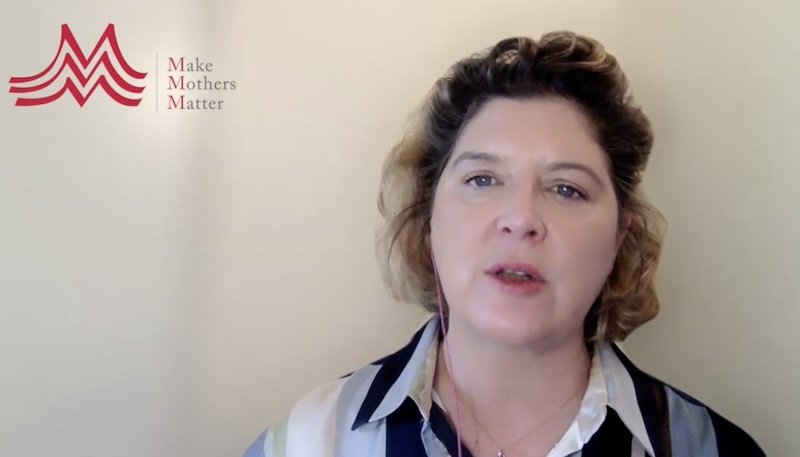
By failing to even use the word mothers, we fail to recognize the unique discrimination, human rights violations, and systemic barriers they face.
We also miss a crucial opportunity – because empowering mothers is not about restricting women to one role, but about ensuring that motherhood is factored into policies that drive substantive gender equality – whether in the workplace, society, or politics.
MMM’s engagement to the 61th session of Human Rights Council reaffirms that advancing the human rights of mothers is not a niche issue – it is central to building peace, promoting gender equality, and securing a sustainable future for all.
By recognising, supporting, and investing in mothers, we can address systemic inequalities, empower the next generation, and create societies where care, opportunity, and human rights go hand in hand. Mothers are not just caregivers – they are architects of lasting change, and their rights must be at the heart of every policy discussion.
 Share
Share Share
Share Print
Print Email
Email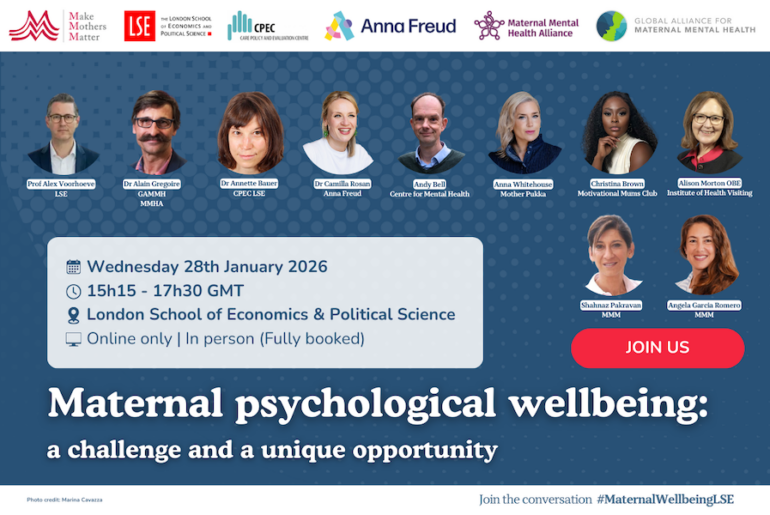
Maternal Psychological Wellbeing: A Challenge and a Unique Opportunity
13.01.26
Wednesday 28 January 2026 | 15:15 – 17:30 GMT London School of Economics & Political Science (LSE) – Live broadcast #MaternalWellbeingLSE Maternal mental health is one of the most pressing

Climate Change: A Maternal Physical and Mental Health Emergency
13.11.25
In the lead-up to the UN climate change conference in Belem, Brazil (COP30), MMM was delighted to collaborate with Dr. Saravanan Thangarajan, a Visiting Scientist & Faculty member at Harvard
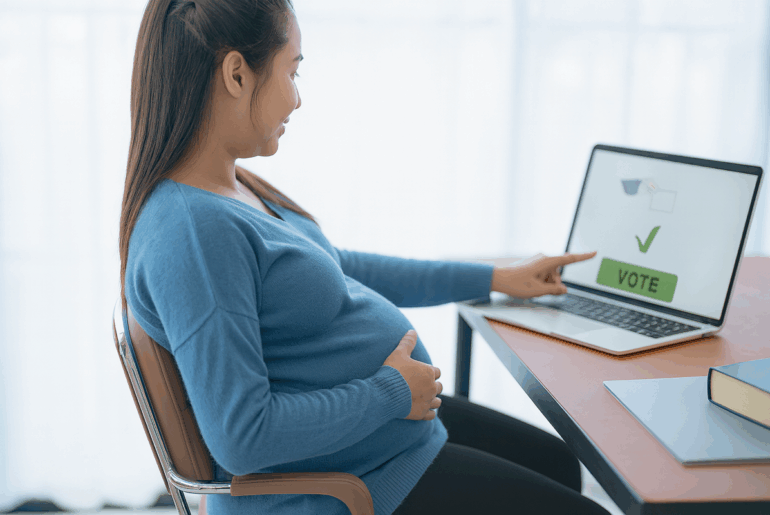
Democracy on Hold: The Hidden Penalty for Parliamentarians Who Become Mothers
27.11.25
The European Parliament adopted a legislative resolution on the amendment of the European Electoral act, allowing Members to vote in plenary by proxy voting during pregnancy and after giving birth.