Solo mothers and homelessness: exploring the links
22.02.25
MMM contributed a chapter to a book edited by UNANIMA International on The hidden faces of homelessness, highlighting the specific vulnerability of single mothers to homelessness. The publication was launched on February 20 at the UN headquarters in New York.
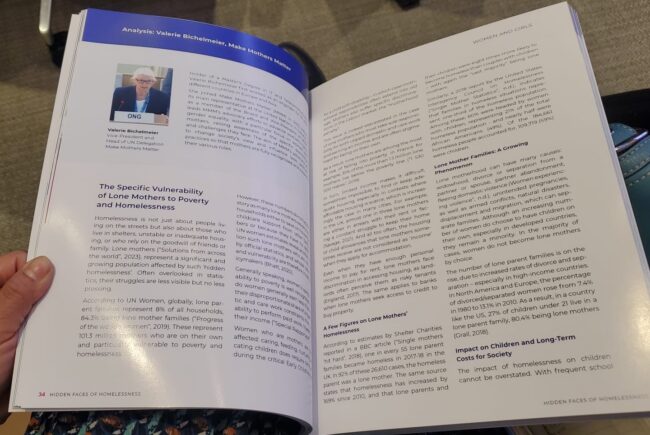
Our contribution to UNANIMA International’s book was submitted by our head of UN Advocacy, Valerie Bichelmeier, and draws on research done for our side-event to the 2020 UN Commission on Social Development on Single mothers’ vulnerability to homelessness, which also highlighted what our grassroots member associations do to support solo mothers.
 Homelessness is not just about people living on the streets but also about those who live in shelters, unstable or inadequate housing, or those who rely on the goodwill of friends or family. Mothers raising their children alone represent a significant and growing population affected by such ‘hidden homelessness’ – estimated at 100 million globally. Often overlooked in statistics, their struggles are less visible but no less pressing.
Generally speaking, women’s specific vulnerability to poverty is well recognised: not only do women generally earn less than men, but their disproportionate share of unpaid domestic and care work restricts their time and ability to perform paid work, thereby limiting their income.
This issue is exacerbated in the case of solo mothers who must take sole responsibility for both unpaid domestic and care work and earning an income, and are often stigmatised for being on their own and discriminated in accessing housing.
A Few Figures on Single Mothers’ Homelessness
- According to estimates by Shelter Charities, one in every 55 single parent families became homeless in 2017-18 in the UK. In 92% of these cases – that’s 26,610, the homeless parent was a single mother
- a 2018 report by the United States Interagency Council on Homelessness indicates that families headed by women represent 21% of the homeless population
And the number of both single mothers and homeless people is increasing.
Impact on Children and Long-Term Costs for Society
The impact of homelessness on children cannot be overstated. With frequent school changes and unstable living conditions children are at a greater risk of physical and mental health problems, developmental delays, poor academic achievement, dropping out, abuse, neglect, behavioural issues, socio emotional problems, etc. – with potentially huge costs for society in the longer term.
Preventing single Mothers’ Homelessness
Preventing single mothers’ homelessness is about addressing the structural barriers to women’s economic empowerment, beginning with the issue of the inequitable distribution of unpaid care work and the challenges of combining paid and unpaid work – which are particularly acute for solo mothers.
Vital support policies must include:
- Adequate social protection
- Accessible public infrastructure and services that include quality affordable childcare
- Targeted services such as legal and financial counselling, education and professional training, as well as social and psychological support to prevent burn-out and mental illnesses linked to being a solo mother
- Decent work and Work-Life Balance policies, including policies that address the “motherhood penalty”
In Conclusion
Single mothers’ specific vulnerability to poverty and homelessness needs an inclusive approach, acknowledging both the difficulties of their situation AND the importance of their caring and educational work and responsibilities. Single mothers need support, not stigmatisation.
 Read here The hidden faces of homelessness by UNANIMA International – MMM contribution starts on page 34
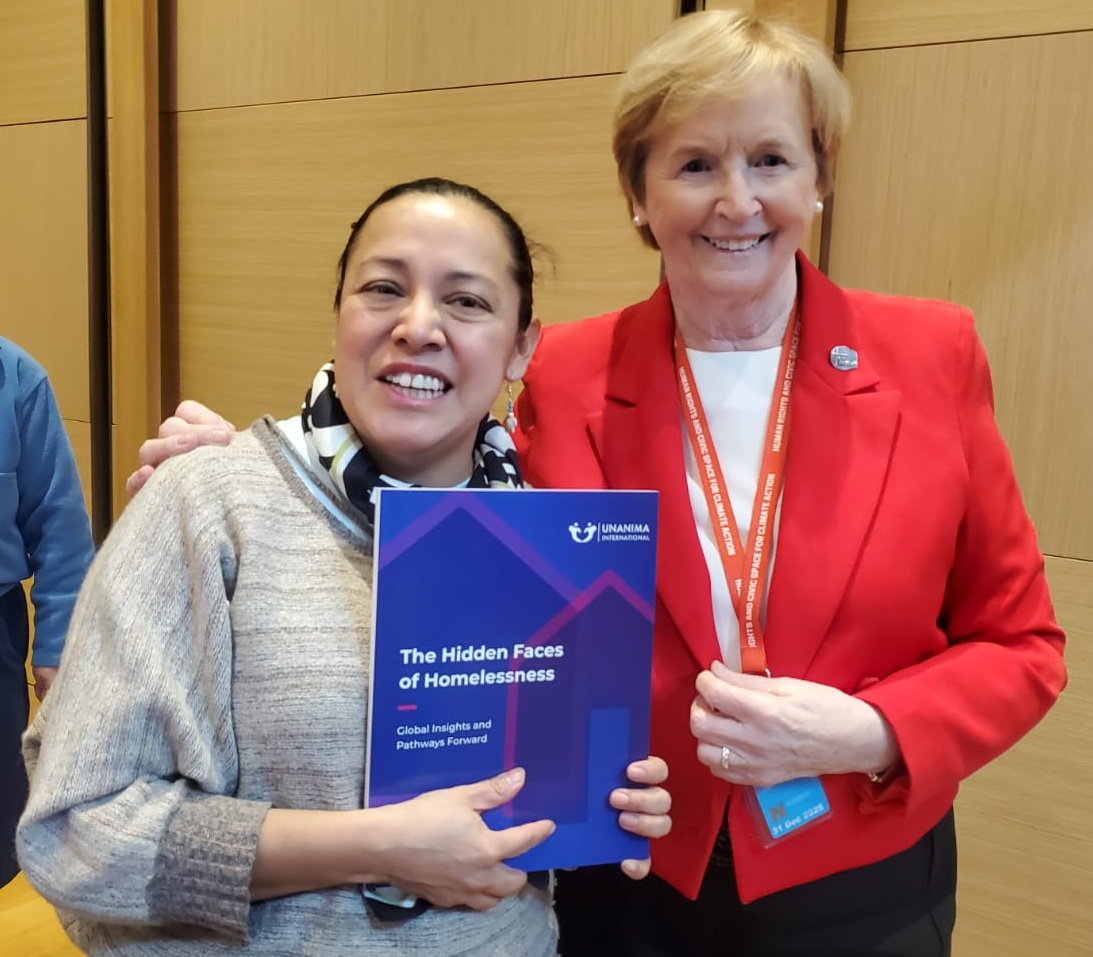
Jacqueline Leduc, MMM Representative at the UN in New York, with Jean Quinn, Executive Director, UNANIMA International at the Launch event in the UN headquarters in New York
 Share
Share Share
Share Print
Print Email
Email
Europe Must Listen to Mothers: Our landmark report heads to the European Parliament
28.08.25
On 22 September 2025, the voices of mothers will take centre stage in Brussels. For the first time, Make Mothers Matter (MMM) will present its State of Motherhood in Europe
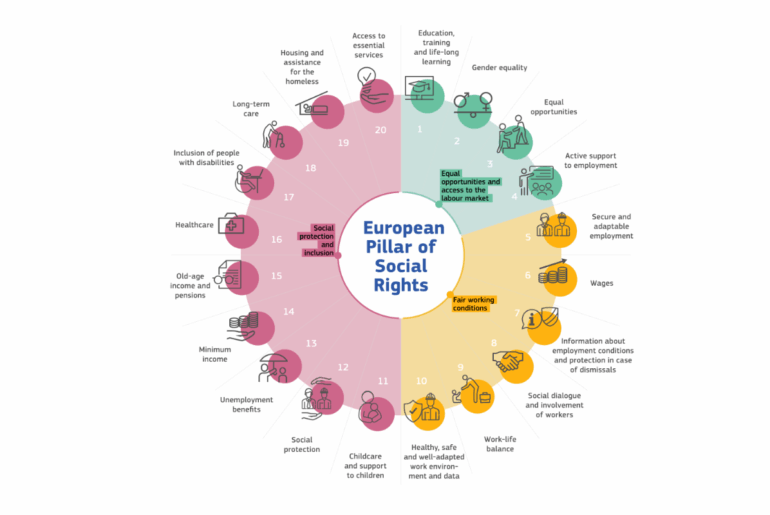
The European Pillar of Social Rights Action Plan
Strengthening Support for Mothers
12.09.25
Our 2024 State of Motherhood in Europe survey of 9,600 mothers across 11 EU Member States and the UK paints a clear picture: motherhood is still not properly recognised or

Maternal Psychological Wellbeing: A Challenge and a Unique Opportunity
13.01.26
Wednesday 28 January 2026 | 15:15 – 17:30 GMT London School of Economics & Political Science (LSE) – Live broadcast #MaternalWellbeingLSE Maternal mental health is one of the most pressing