Care, the overlooked dimension of social development and justice
08.01.26
UN New York – In a written Statement submitted ahead of the 64th UN Commission on Social Development, Make Mothers Matter highlights a crucial yet still largely overlooked dimension of social development and justice: care, not only as a private responsibility, but as a public good and a structural pillar of equitable societies.
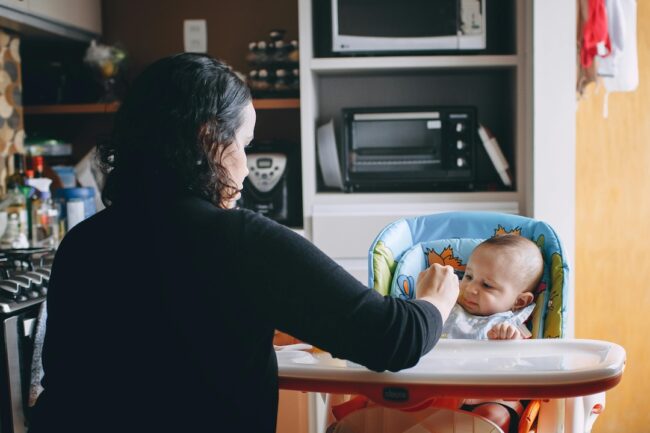
Unpaid care work carried out disproportionately by women – particularly mothers – is essential to sustaining life, families, and economies. Yet it remains largely invisible in public policy, undervalued in national budgets, and absent from legal frameworks. This invisibility has real and lasting consequences, including economic insecurity, time poverty, and intergenerational cycles of inequality, especially for women who are already marginalized.
Advancing social justice requires transforming how care is recognised, organised, and supported. This means moving from fragmented support to coordinated systems, from narrow solutions to intersectional design, and from individual to collective responsibility.
Examples of good practice exist
- In Uruguay, the National Integrated Care System establishes care as a legal right and provides coordinated services for children, older adults, persons with disabilities, and their caregivers. Supported by a national framework, the system ensures continuity across political cycles and enables civil society participation in shaping priorities.
- In Bogotá, the District Care System, designed inclusively through dialogue with more than 5,500 women, reimagines urban space by placing care at the centra of local planning. Its Care Blocks bring services together in one location, while mobile units extend access to underserved areas. Importantly, the system also invests in cultural transformation, including initiatives that engage men in caregiving roles.
While these systems are not perfect, but they demonstrate what is possible when care is treated as a right, a public good, and a shared societal responsibility.
Intersectionality Is Essential
No care system can be truly inclusive unless it actively addresses intersectionality. Single mothers, migrant women, women with disabilities, and caregivers in rural or informal settings face overlapping and compounding disadvantages. A one-size-fits-all approach cannot respond to these diverse realities. Care policies must be adapted to reach and support those most often excluded.
Care Systems as accelerators of the 2030 Development Agenda
Integrated and intersectional care systems are also powerful accelerators of the Sustainable Development Goals (SDGs), particularly:
- SDG 5 – Gender Equality
- SDG 3 – Health and Wellbeing
- SDG 4 – Quality Education
- SDG 8 – Decent Work and Economic Growth
- SDG 10 – Reduced Inequalities
- SDG 11 – Sustainable Cities and Communities
Despite these clear links, care remains underrepresented in national SDG strategies – representing a significant missed opportunity.
Our call for action
To advance social justice through inclusive and coordinated policies, Make Mothers Matter calls on Member States and relevant institutions to:
- Recognise care as a right
Officially recognise the right to give and receive care by integrating care into national laws, development plans, and social protection systems, ensuring public support for caregiving throughout the life course.
- Create and fund public care services
Invest in high-quality, accessible care services, including childcare, elder care, disability, respite care, parental leave, and caregiver training. Services should be free or affordable, widely available, and responsive to diverse needs.
- Ensure care systems are inclusive for all
Design care policies with particular attention to those most at risk of exclusion, such as single mothers, migrants women, people with disabilities, and those in rural or informal settings. Services must be accessible, culturally appropriate, and adaptable.
- Include caregivers and communities in decision-making
Create formal mechanisms to ensure that caregivers and care recipients – especially women and marginalised groups – participate meaningfully in shaping care policies. Governments should create formal spaces where their voices are heard, and their knowledge helps guide decisions.
- Promote shared responsibility for care
Support education, public campaigns, and programs that encourage men and boys to take on caregiving roles, challenge harmful gender norms, and promote equality within families and communities.
- Integrate care into SDG strategies
Explicitly include care in national SDG implementation plans by setting measurable targets, allocating dedicated funding, and ensuring coordination across government ministries.
A more just future depends on transforming how we value and support care. By building integrated and inclusive care systems, we do not merely shift responsibilities away from individual women – we reshape social contracts around shared responsibility, dignity, and equity.
 Read MMM’s full statement: As submitted – As UN document (ref. E/CN.5/2026/NGO/10)
The 64th session of the UN Commission on Social Development will take place from 2-12 February 2026 at the UN headquarters in New York. Priority Theme: Advancing Social Development and Social Justice through Coordinated, Equitable, and Inclusive Policies.
 Share
Share Share
Share Print
Print Email
Email
Europe Must Listen to Mothers: Our landmark report heads to the European Parliament
28.08.25
On 22 September 2025, the voices of mothers will take centre stage in Brussels. For the first time, Make Mothers Matter (MMM) will present its State of Motherhood in Europe
Belgian Mothers Face Alarming Rates of Burnout and Perinatal Depression, New EU Survey Finds
03.07.25
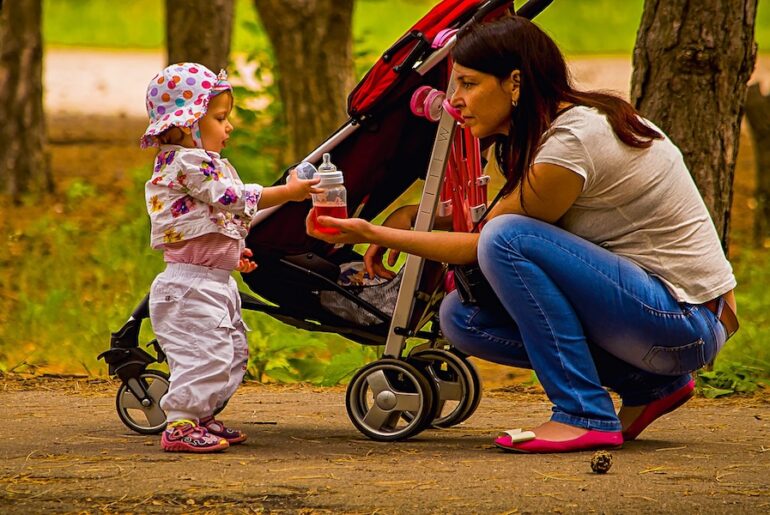
Belgian mothers are facing a mental health crisis. According to the State of Motherhood in Europe 2024 survey by Make Mothers Matter (MMM) and Kantar, Belgium reports the highest rates

Maternal Psychological Wellbeing: A Challenge and a Unique Opportunity
13.01.26
Wednesday 28 January 2026 | 15:15 – 17:30 GMT London School of Economics & Political Science (LSE) – Live broadcast #MaternalWellbeingLSE Maternal mental health is one of the most pressing