Meeting of the EPSCO Council
15.10.20
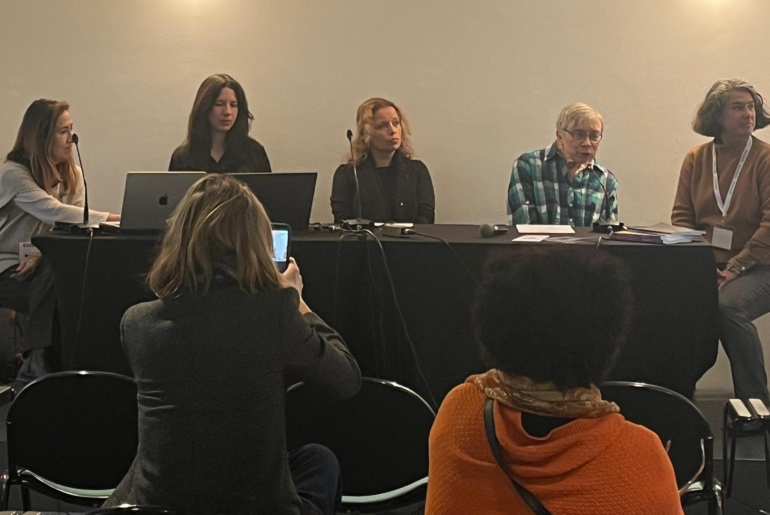
13 October 2020: The Employment, Social Policy and Health Consumer affairs Council of the EU (EPSCO) held a virtual debate on the equal participation of women and men in the labour market. They discussed ways to further promote gender equality and combat the segregation of women and men in the labour market.
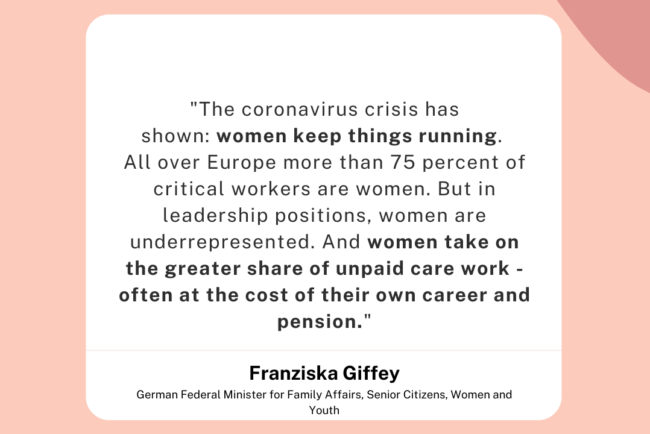
MMM welcomed the statement made by Dr. Franziska Giffey, German Federal Minister for Family Affairs, Senior Citizens, Women and Youth. She stated that “the coronavirus crisis has shown women keep things running. All over Europe more than 75 percent of critical workers are women. But in leadership positions, women are underrepresented. And women take on the greater share of unpaid care work – often at the cost of their own career and pension”.
Indeed, unpaid care work, mainly undertaken by 𝗺𝗼𝘁𝗵𝗲𝗿𝘀, although crucial for society, hinders their career advancement and reinforces the gender pay gap in pay and pensions.
Before the Covid- 19 crisis, parents, in particular mothers, were already facing difficulties raising their children under proper conditions, often juggling between their educational responsibilities and their need to make a living. In the context of the pandemic and imposed lockdown, the demand for unpaid care work and informal education has increased and reinforced pre-existing gender inequalities in sharing this essential work.
The fact that women take a larger share of essential care work, has not sufficiently been considered in the analysis of the gender pay gap and when proposing measures to tackle it.
Make Mothers Matter is convinced that gender equality will never be achieved until unpaid care work is recognised, reduced, and redistributed.
 Share
Share Share
Share Print
Print Email
Email
Europe Must Listen to Mothers: Our landmark report heads to the European Parliament
28.08.25
On 22 September 2025, the voices of mothers will take centre stage in Brussels. For the first time, Make Mothers Matter (MMM) will present its State of Motherhood in Europe
Belgian Mothers Face Alarming Rates of Burnout and Perinatal Depression, New EU Survey Finds
03.07.25
Belgian mothers are facing a mental health crisis. According to the State of Motherhood in Europe 2024 survey by Make Mothers Matter (MMM) and Kantar, Belgium reports the highest rates

Parental Mental Health Takes Centre Stage at the French National Assembly
02.04.25
Paris, France – On April 2nd, Make Mothers Matter was honoured to have key findings from its State of Motherhood in Europe 2024 report cited at the French National Assembly