Covid-19 increased poverty and anxiety among mothers
18.02.22
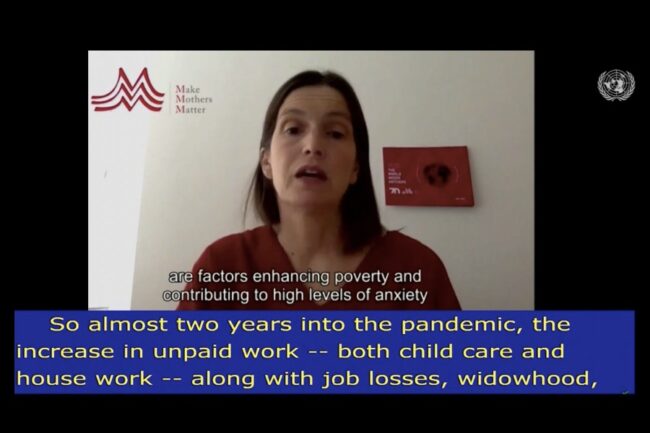
UN New York, Commission on Social Development - In its oral statement MMM spotlights the particular impact of Covid-19 on mothers, highlighting how the increase in their unpaid work, along with job losses, widowhood and added work due to climate changes has increased poverty levels and darkened their future.
Covid 19 has presented challenges and obstacles around the planet, impacting Mothers in their role of care, their work and their future.
With widespread closures of schools, childcare centers and loss of jobs, COVID-19 kicked away the scaffolding of care. While the amount of time and energy mothers spend on unpaid labor at home has skyrocketed, their employment has suffered.
Make Mothers Matter asks the Commission to take into account two main challenges mothers are facing, that must be addressed for a sound recovery from Covid.
- First, the overall death rate from Covid for men is 1.6 times the death rate for women ; Mothers have found their role being affected by the deaths of their husband or partner, increasing again their workload. This increase has highlighted the issue of young widowhood in many countries, and more generally of single mothers : loss of social recognition, lack of social security, subsidies and public services, and acceleration of extreme poverty for families.
- Second, climate changes, well documented as a trigger for Covid19, have also added to the workload of mothers. Rising temperatures, flooding, heavy rains, all contributed to modifying the work of women, in particular in the southern hemisphere. Mothers are more vulnerable because their work depends on natural resources, water, wood, harvest to feed their families. Climate changes increase anxiety, food insecurity as well as inequity for mothers.
Almost 2 years into the pandemic, the increase in their unpaid work – both childcare and housework – along with job losses, widowhood and added work due to climate changes are factors enhancing poverty and contributing to high levels of anxiety and an uncertain future for mothers.
We are therefore calling on member states to take into account that recovery from the pandemic will have to consider the future of the planet as a goal, in order to secure and protect the work and wellbeing of Mothers.

 Our UN team member in New York Carole Joncourt delivered this oral statement on behalf of MMM during the general discussion segment of the 60th session of the UN Commission on Social Development, which took place 7-16 February 2022.
See also the written statement which we submitted ahead of the Commission and which calls for care and education to be at the heart of the Covid-19 recovery.
 Share
Share Share
Share Print
Print Email
Email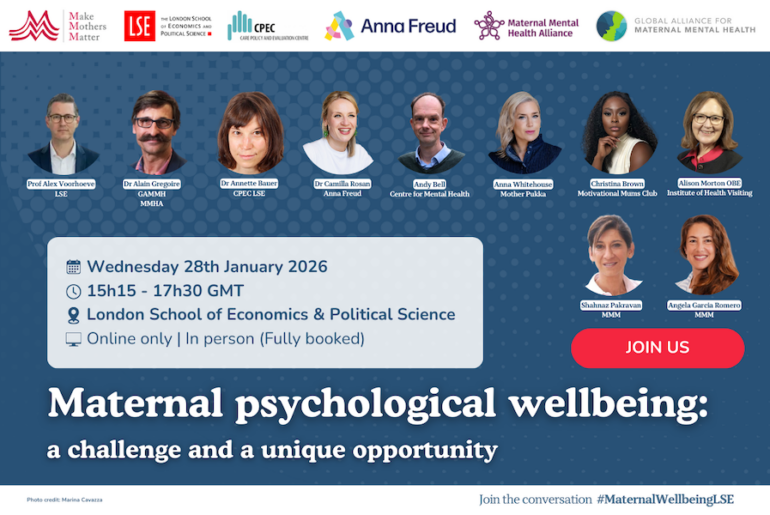
Maternal Psychological Wellbeing: A Challenge and a Unique Opportunity
13.01.26
Wednesday 28 January 2026 | 15:15 – 17:30 GMT London School of Economics & Political Science (LSE) – Live broadcast #MaternalWellbeingLSE Maternal mental health is one of the most pressing

Climate Change: A Maternal Physical and Mental Health Emergency
13.11.25
In the lead-up to the UN climate change conference in Belem, Brazil (COP30), MMM was delighted to collaborate with Dr. Saravanan Thangarajan, a Visiting Scientist & Faculty member at Harvard
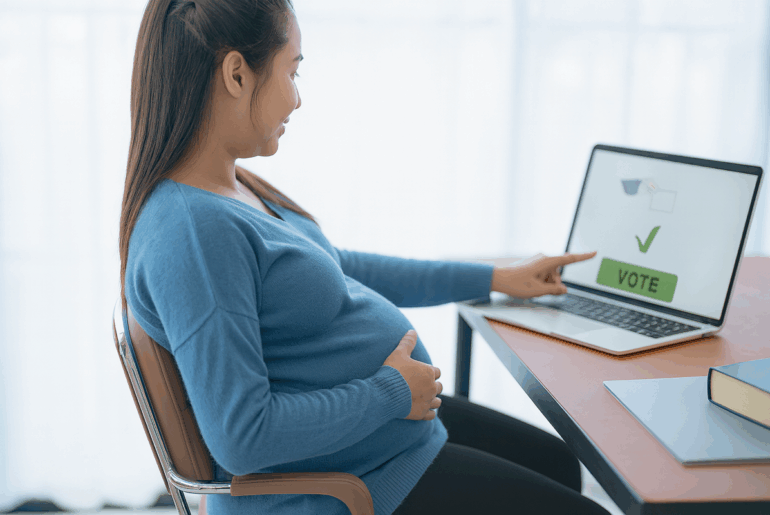
Democracy on Hold: The Hidden Penalty for Parliamentarians Who Become Mothers
27.11.25
The European Parliament adopted a legislative resolution on the amendment of the European Electoral act, allowing Members to vote in plenary by proxy voting during pregnancy and after giving birth.