MMM’s Response to the EU Public Consultation on the Rights of Persons with Disabilities
12.03.26
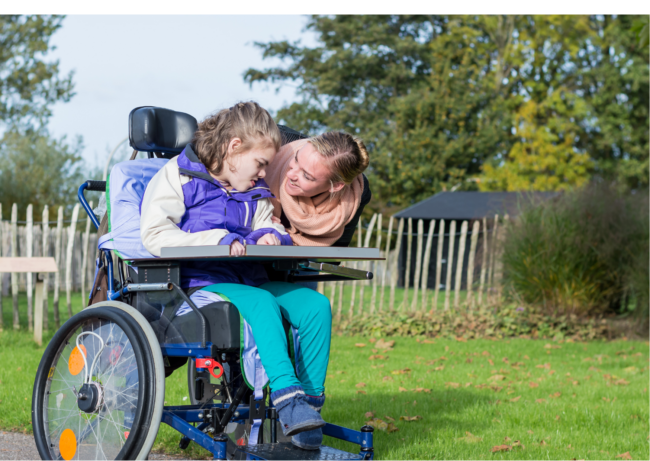
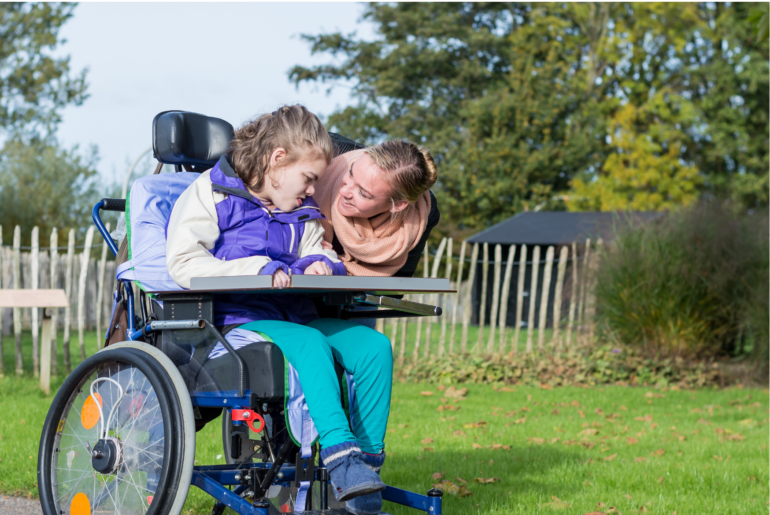
Make Mothers Matter (MMM) has submitted a formal response to the recent consultation by the European Commission on the Strategy for the rights of persons with disabilities up to 2030, calling for greater recognition of the challenges faced by mothers with disabilities and mothers caring for children with disabilities, the latter experience, defined by MMM as ‘disability by proxy’.
Motherhood and disability intersect in ways that create unique challenges that are often overlooked and misunderstood. Mothers with disabilities, as well as mothers who are primary caregivers to children with disabilities, encounter structural barriers that negatively impact their opportunities and livelihoods. Limited access to healthcare, persistent discrimination, and lack of support in the workplace severely undermine mothers’ wellbeing, economic security, and autonomy. These inequalities are further perpetuated by social stigma and underrepresentation in policymaking once again having a negative impact on mothers’ professional and personal lives.
Challenges Mothers Affected by Disability Experience
MMM highlights the overlapping barriers faced by mothers with disabilities, as well as mothers who are primary caregivers to children with disabilities:
- Unpaid care and economic impact: Both groups carry disproportionate unpaid care and domestic workloads, which are often undervalued particularly in the workplace. For mothers experiencing ‘disability by proxy’, these responsibilities limit access to education, employment and career advancement, contributing to financial insecurity.
- Discrimination and bias: Discrimination faced by mothers with disabilities can create misconceptions about their abilities to care for their children. These biases can affect their access to equitable employment practices and quality healthcare.
- Mental and physical health: Social stigma, caregiving responsibilities and insufficient day-to-day support can lead to anxiety, stress, and depression. Additionally, persistent barriers to accessing adequate healthcare services make it difficult for mothers to balancecaregiving responsibilities with their own health.

Recognising Disability by Proxy
An important part of this conversation is the recognition of ‘disability by proxy’, referring to the structural and societal barriers mothers experience as primary, often unpaid, caregivers to children with disabilities. Although these mothers may not have a disability themselves, their caregiving responsibilities significantly impact their professional opportunities, social participation and financial security. Reduced working hours, interrupted careers, and financial insecurity are often consequences of caregiving responsibilities. Addressing this aspect of the motherhood experience is central to creating inclusive, supportive policies that truly support all mothers and their caregiving roles.
Recommendations to EU and Member States
- Promote a more inclusive healthcare environment that addresses not just the physical but also the mental health needs of mothers with disabilities.
- Develop an inclusive infrastructure and legal and social protection systems that support both caregivers and those they care for, recognising their unpaid care and domestic work.
- Raise awareness of the value of unpaid care work and its impact.
- Promote the training of healthcare staff in disability-inclusive care such as through the EU funded ASSIST project.
- Enhance the availability of assistive technologies that improve communication and mobility.
- Ensure the voices of people with disabilities and their families are promoted in policy-making and decisions regarding their rights, with a particular focus on existing advocacy groups and community organisations.
Access our policy paper here
Access our policy brief here


 Share
Share Share
Share Print
Print Email
Email
Europe Must Listen to Mothers: Our landmark report heads to the European Parliament
28.08.25
On 22 September 2025, the voices of mothers will take centre stage in Brussels. For the first time, Make Mothers Matter (MMM) will present its State of Motherhood in Europe

Belgian Mothers Face Alarming Rates of Burnout and Perinatal Depression, New EU Survey Finds
03.07.25
Belgian mothers are facing a mental health crisis. According to the State of Motherhood in Europe 2024 survey by Make Mothers Matter (MMM) and Kantar, Belgium reports the highest rates

Parental Mental Health Takes Centre Stage at the French National Assembly
02.04.25
Paris, France – On April 2nd, Make Mothers Matter was honoured to have key findings from its State of Motherhood in Europe 2024 report cited at the French National Assembly