Mothers’ wellbeing: a cornerstone for healthier societies and sustainable development
03.04.25
UN New York – Ahead of the 58th Session of the Commission for Population and Development (CPD58), a pivotal UN meeting set to address the theme “Ensuring healthy lives and promoting well-being for all at all ages,” Make Mothers Matter submitted a written statement. This session will explore critical health challenges and opportunities across the life course, emphasising maternal and mental health, universal healthcare access, and sustainable development strategies. In our statement, we spotlight the transformative power of investing in mothers' wellbeing—a linchpin for healthier families, communities, and societies worldwide. Discover how placing maternal health at the heart of global agendas creates lasting ripple effects for sustainable development.

Maternal mortality and morbidity: still unacceptably high
Every two minutes, a mother dies due to complications from pregnancy or childbirth.
Despite advancements in medical care, maternal mortality has stagnated since 2015, with low-income countries bearing the brunt of this crisis. For every maternal death, many women endure chronic conditions like obstetric fistula or pelvic organ prolapse, which severely impact their ability to care for their families and communities.
Beyond survival, the quality of life for mothers remains a critical but often neglected issue. These challenges ripple through families and societies, creating barriers to stability and development.
Maternal mental health: The hidden pandemic
Maternal mental health is another pressing but overlooked issue. Conditions like postpartum depression affect nearly 20% of mothers in low- and middle-income countries, yet stigma and limited resources often prevent them from seeking help. Poor mental health in mothers undermines their caregiving ability, impacting children’s development and family dynamics.
MMM calls for integrating maternal mental health into primary healthcare systems and supporting mothers through policies that address work-life balance and reduce social isolation.
Why maternal health matters for society
Healthy mothers are vital for nurturing strong families and resilient communities. As caregivers, they influence early childhood development, reduce child mortality, and act as informal health carers making crucial decisions about nutrition and healthcare. When mothers thrive, they foster the well-being and resilience of both current and future generations.
Investing in maternal health yields long-term societal benefits, from reducing neonatal risks to promoting intergenerational solidarity. Healthy mothers lay the foundation for healthier, more equitable and more resilient societies.
MMM’s call to action
- Intensify efforts to address the scourge of maternal mortality and morbidity and Invest in maternal Health: Ensure universal access to maternal healthcare, prioritise preventative care, and provide mental health support for mothers
- Recognise the economic and social value of unpaid care cork, in particular the one performed by mothers, which underpins our communities, societies and economies worldwide
- Redistribute care work: promote equitable sharing of caregiving responsibilities through policy and infrastructure investments
- Transform Economic Systems: shift focus from GDP to wellbeing metrics that include maternal health as a key indicator
Mothers are the backbone of families and communities. By valuing and investing in their wellbeing, societies can achieve sustainable development and ensure healthier lives for all. As the CPD58 session highlights the importance of health and wellbeing, MMM’s message is clear: maternal wellbeing is a universal priority that cannot wait.
 Read MMM’s full written statement

 Share
Share Share
Share Print
Print Email
Email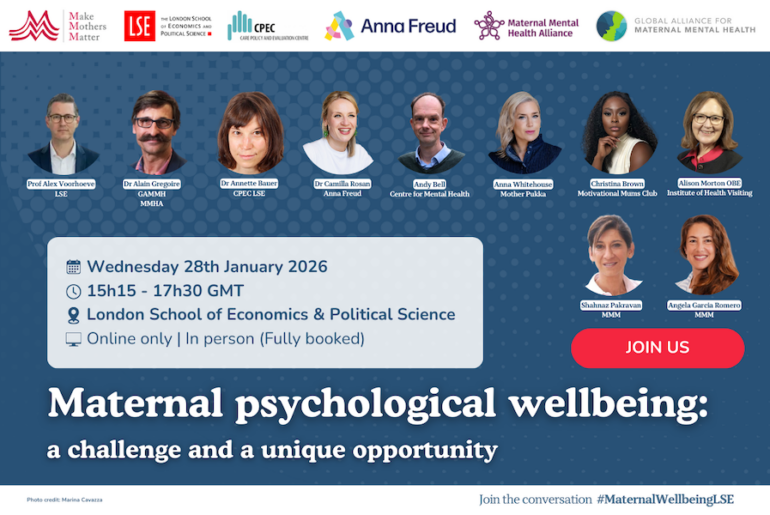
Maternal Psychological Wellbeing: A Challenge and a Unique Opportunity
13.01.26
Wednesday 28 January 2026 | 15:15 – 17:30 GMT London School of Economics & Political Science (LSE) – Live broadcast #MaternalWellbeingLSE Maternal mental health is one of the most pressing

Climate Change: A Maternal Physical and Mental Health Emergency
13.11.25
In the lead-up to the UN climate change conference in Belem, Brazil (COP30), MMM was delighted to collaborate with Dr. Saravanan Thangarajan, a Visiting Scientist & Faculty member at Harvard
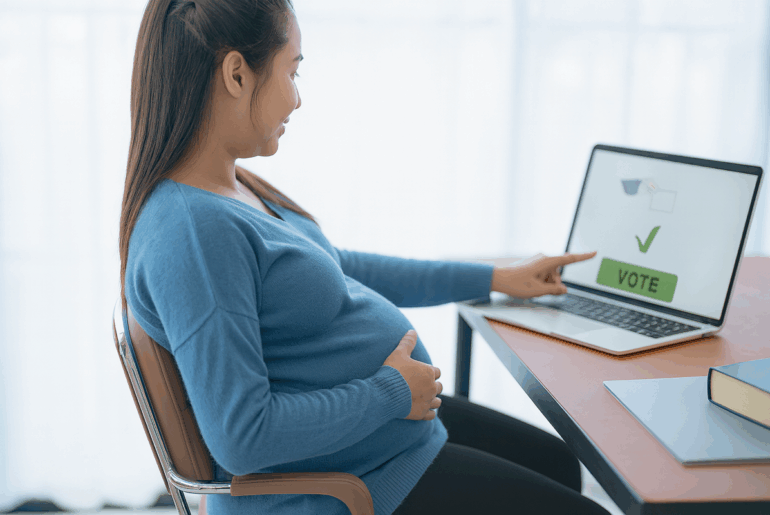
Democracy on Hold: The Hidden Penalty for Parliamentarians Who Become Mothers
27.11.25
The European Parliament adopted a legislative resolution on the amendment of the European Electoral act, allowing Members to vote in plenary by proxy voting during pregnancy and after giving birth.