Maternal Psychological Wellbeing: What We Heard — and What Comes Next
31.01.26
On 28 January, Make Mothers Matter, in partnership with event host Care Policy Evaluation Centre (CPEC) at LSE, brought together policymakers, health professionals, researchers, campaigners, and advocates to explore maternal psychological wellbeing as both a challenge and an opportunity.
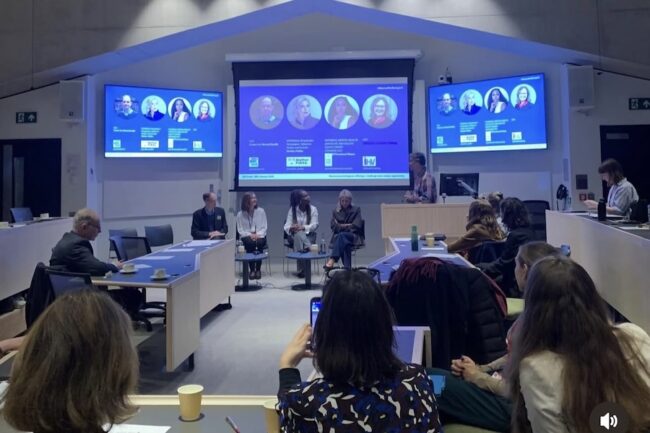
The event was opened by Prof Alex Voorhoeve, Academic Chair, LSE Vice President and Pro Vice Chancellor, Department of Philosophy, Logic and Scientific Method, and Dr Alain Gregoire, Consultant Perinatal Psychiatrist in the UK, Founder and Chair of the Global Alliance for Maternal Mental Health and Founder President of the UK Maternal Mental Health Alliance. Shahnaz Pakravan, Co-Facilitator, MMM Communications Lead and former BBC Presenter, introduced the event on behalf of Make Mothers Matter and spoke on maternal psychological wellbeing.
Our State of Motherhood in Europe report received fantastic coverage in The Guardian, with two dedicated articles – one focussing on the UK findings, the other taking an in depth look at the wider European picture – highlighting the urgent need for better support for mothers.
The event also marked the first public launch of MMM’s UK findings by Projects Director Angela Garcia, revealing the pressures facing mothers in the UK, based on a study of 9,600 mothers across 11 EU countries and the UK.
Insights from Speakers and Presenters
In her introduction, Shahnaz Pakravan highlighted the global significance of maternal mental health, quoting Natasha Azzopardi-Muscat, Director of Health Systems at WHO/Europe:
“If we want healthy populations, we cannot ignore the mental health of mothers. This is an investment in the health of society, not just of individuals.”
Dr Alain Gregoire reminded the audience:
“Maternal mental health cannot be separated from social and structural contexts. We must see mothers as part of a wider system — and ensure they have continuous, accessible support, not just crisis intervention.”
Dr Annette Bauer, Assistant Professorial Research Fellow at CPEC LSE, presented research demonstrating the cost-effectiveness of integrating mental health and universal services, reinforcing WHO guidance and showing the economic benefits of early maternal mental health support.
Dr Camilla Rosan, Consultant Perinatal Clinical Psychologist at Anna Freud, presented the Integrate report, calling for better integration between mental health and universal services, including maternity and health visiting, to improve wellbeing for the whole family.
Anna Whitehouse, journalist, broadcaster, campaigner, and founder of Mother Pukka, highlighted the role of workplace culture and flexibility in maternal wellbeing, emphasizing that flexible work is a preventative measure, not a “perk”.
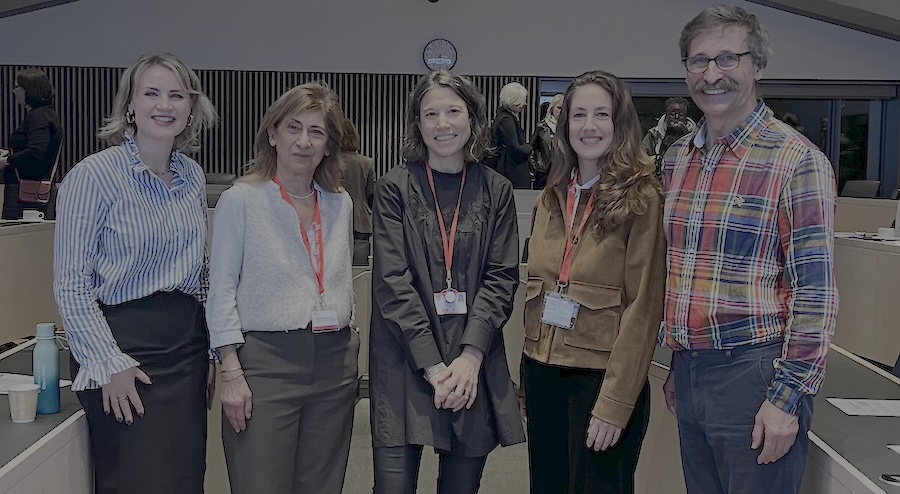
Camilla Rosan, Shahnaz Pakravan, Annette Bauer, Angela Garcia, Alain Grégoire
Panel Discussion
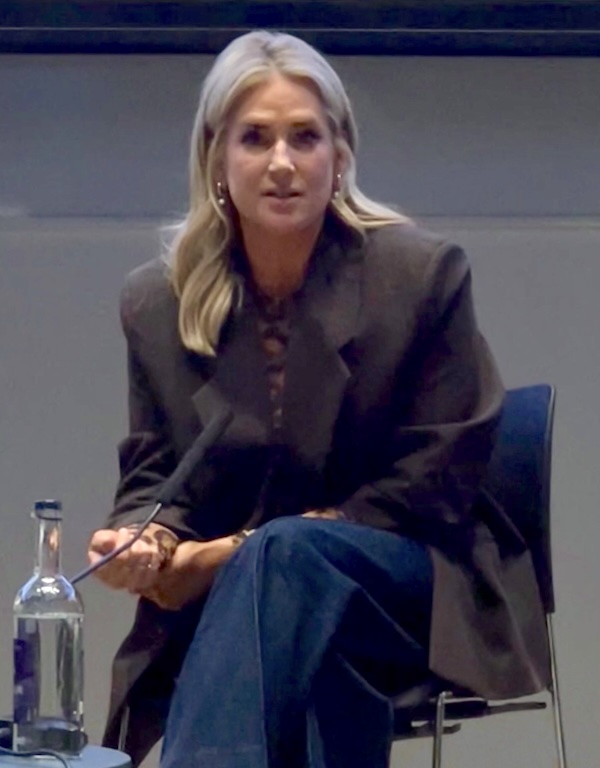
Anna Whitehouse, Mother Pukka
The panel, moderated by Dr Alain Gregoire, included Andy Bell (CEO, Centre for Mental Health), Christina Brown (Founder/CEO, The Motivational Mums Club), Anna Whitehouse, and Alison Morton OBE (CEO, Institute of Health Visiting). Discussions highlighted systemic challenges, including fragmented services, underinvestment, and the long-term consequences of unmet maternal mental health needs. Audience questions, both in-person and online, reinforced the importance of mothers’ voices in shaping policy, services, and workplaces.
Progress and Remaining Challenges
While there has been progress in perinatal mental health care, the event highlighted that much work remains. Key challenges include:
- Fragmented services and broken care pathways
- Mothers being told they are “not ill enough” to access support
- The systemic impact of misogyny and racism
- Chronic underinvestment in maternity and postnatal care
The discussions underscored that awareness alone is not enough — action is now critical.
Partnership and Impact
The hybrid event reflected cross-sector collaboration, bringing together Make Mothers Matter, CPEC at LSE, Anna Freud, LSE leadership, advocates, journalists, and a strong online audience, all helping to amplify the findings to a wider public.
A Call to Action — for All
Maternal psychological wellbeing is not a niche issue or a private struggle. It affects families, workplaces, health systems, and communities — and it concerns us all.
Everyone can help drive change:
- Listen to mothers and value lived experience as evidence
- Challenge systems that normalise overload and silence
- Support integrated, long-term approaches to postnatal care
- Advocate for workplaces and policies that recognise care as essential
Make Mothers Matter will continue to amplify mothers’ voices and push for systems that support wellbeing beyond birth.
The event ended with a strong video statement by Baroness Gillian Merron, Minister for Women’s Health and Mental Health action, who called for everyone to submit evidence to the National Maternity and Neonatal Investigation, headed up by Baroness Valerie Amos, to ensure that the need for integrated care for common perinatal mental health problems is highlighted in the national investigation.
If this resonates with you, join the conversation, share the evidence, and help turn insight into action.
Because maternal wellbeing is not optional. It is foundational.
→ For additional information, including programme, speakers bios and background, see the invitation article
 Share
Share Share
Share Print
Print Email
Email
Europe Must Listen to Mothers: Our landmark report heads to the European Parliament
28.08.25
On 22 September 2025, the voices of mothers will take centre stage in Brussels. For the first time, Make Mothers Matter (MMM) will present its State of Motherhood in Europe

Belgian Mothers Face Alarming Rates of Burnout and Perinatal Depression, New EU Survey Finds
03.07.25
Belgian mothers are facing a mental health crisis. According to the State of Motherhood in Europe 2024 survey by Make Mothers Matter (MMM) and Kantar, Belgium reports the highest rates
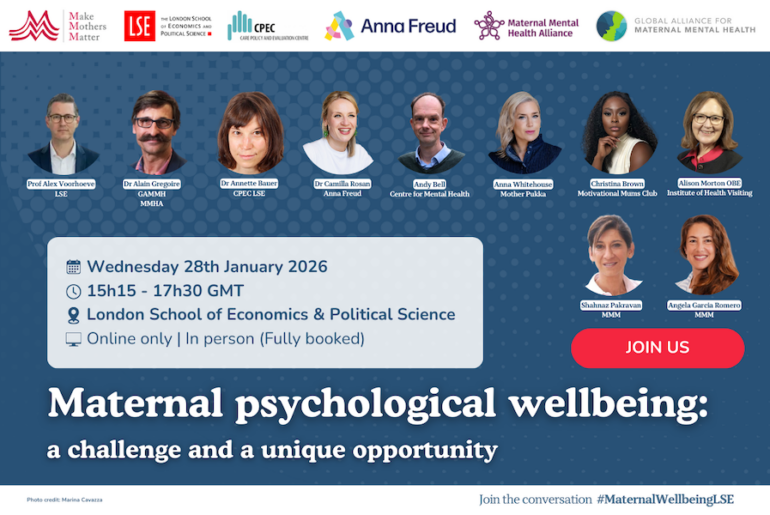
Maternal Psychological Wellbeing: A Challenge and a Unique Opportunity
13.01.26
Wednesday 28 January 2026 | 15:15 – 17:30 GMT London School of Economics & Political Science (LSE) – Live broadcast #MaternalWellbeingLSE Maternal mental health is one of the most pressing